
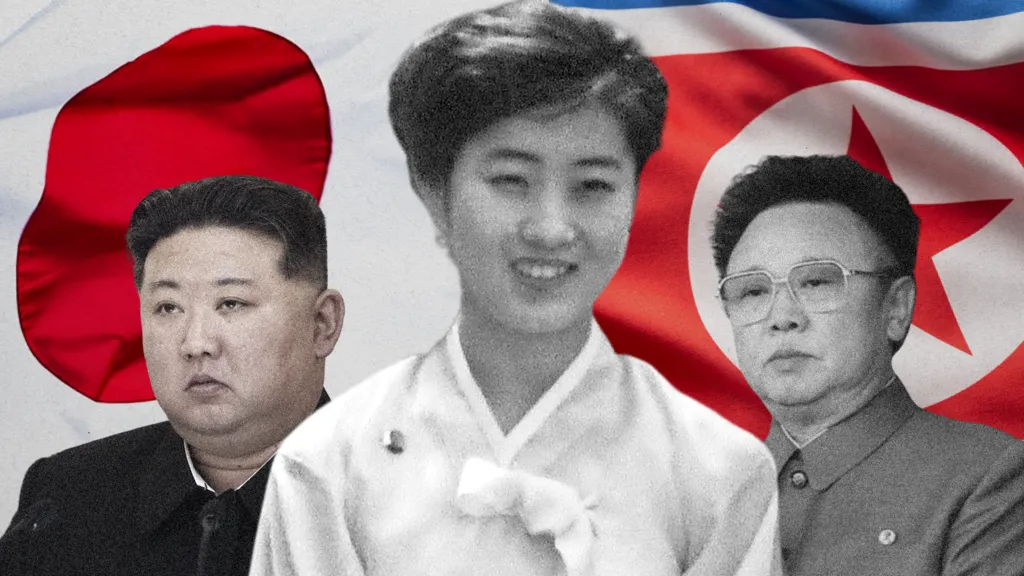
Among the many mysteries surrounding North Korean leader Kim Jong Un, one of the most striking is the complete absence of public references to his mother. In more than 15 years in power, he has never mentioned her by name in speeches, state media appearances, or official biographies.
This silence has fueled speculation among analysts, who say the omission is closely tied to the political mythology that underpins the North Korean regime.
The Importance of the “Mount Paektu” Bloodline
At the core of North Korea’s ruling ideology is the concept of the “Mount Paektu bloodline,” a narrative that links the Kim family to a sacred and almost mythical lineage.
Mount Paektu, a volcanic mountain on the border between North Korea and China, holds deep symbolic significance in Korean cultural history. According to traditional belief, it is associated with Dangun, the legendary founder of Korea’s first kingdom, giving it a near-sacred status in Korean identity.
North Korean state mythology has long used this symbolism to strengthen the legitimacy of its leadership. Kim Il Sung, the founding leader of North Korea, was portrayed as having used the mountain as a base during his anti-Japanese resistance campaign. His son, Kim Jong Il, was later said to have been born on Mount Paektu itself—although external accounts suggest he was likely born elsewhere.
This narrative has since become a central pillar of the regime’s legitimacy, reinforcing the idea that the Kim family’s rule is divinely or historically ordained.
Why Kim Jong Un’s Mother Remains Hidden
Within this tightly controlled political framework, Kim Jong Un’s mother remains largely absent from official discourse. Analysts suggest that revealing details about her background could complicate or challenge the carefully constructed narrative of hereditary purity that supports the regime’s authority.
In a system where legitimacy is closely tied to symbolic ancestry, even small deviations from the official story are considered politically sensitive.
A Carefully Controlled Narrative
North Korea has historically curated the personal histories of its leaders to reinforce ideological messaging. This includes selective storytelling, myth-making, and the elevation of symbolic figures into national icons.
Kim Jong Un’s silence on his mother is seen by experts as part of this broader strategy—preserving the mythological continuity of the “Mount Paektu bloodline” while avoiding any narrative inconsistencies.
As a result, even basic biographical details about one of the world’s most closely watched leaders remain tightly controlled, adding to the enduring mystery surrounding the North Korean regime.

0 Comments