
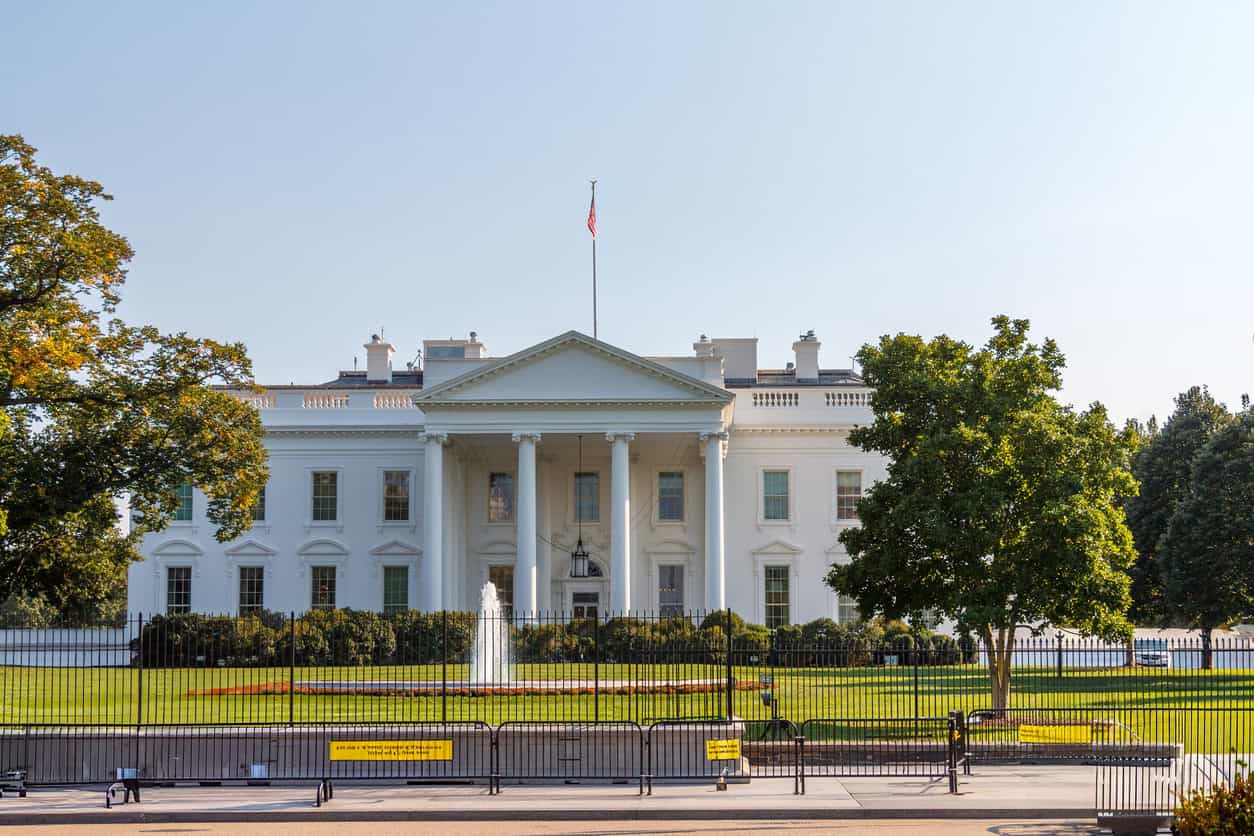
The White House has sent a memo to nine leading U.S. universities proposing a 15% cap on international undergraduate enrolments, alongside a series of other mandates, in exchange for preferential access to federal funding and student visa approvals.
The proposed “Compact for Academic Excellence in Higher Education” stipulates that no more than 15% of a college’s undergraduate population participate in the Student Visa Exchange Program, with a maximum of 5% from any single country. Institutions exceeding the 15% threshold would need to align future incoming classes with the new cap.
Universities that sign the compact would gain access to federal student loans, research funding, visa approvals for international scholars, and preferential tax treatment, the memo said. Other directives include freezing tuition for five years, banning the use of race or sex in hiring, standardising admissions testing, and ensuring employees abstain from political activities in their official capacity.
The memo also emphasizes that international students should support “American and Western values” and urges universities to screen for hostility toward the U.S. and its allies. Schools would be expected to share all international student information, including disciplinary records, with the Department of Homeland Security (DHS) and State Department upon request.
The initial recipients of the memo include Vanderbilt, Dartmouth, University of Pennsylvania, USC, MIT, University of Texas, University of Arizona, Brown, and University of Virginia, though the compact could potentially extend to all U.S. colleges. Many of these institutions currently have international student populations approaching or exceeding one-quarter of total enrolments.
The move comes amid ongoing tensions between the administration and universities like Harvard over the sharing of international student data. Previous agreements with Columbia and Brown saw universities increase oversight of international students in exchange for restored federal funding.
Critics argue that the compact’s requirements, including limitations on political demonstrations and disclosure of overseas funding, raise concerns about free speech and academic freedom. A recent federal ruling struck down the Trump-era deportation campaign targeting international students involved in pro-Palestinian advocacy, highlighting the legal protections afforded to non-citizens in the U.S.

0 Comments