
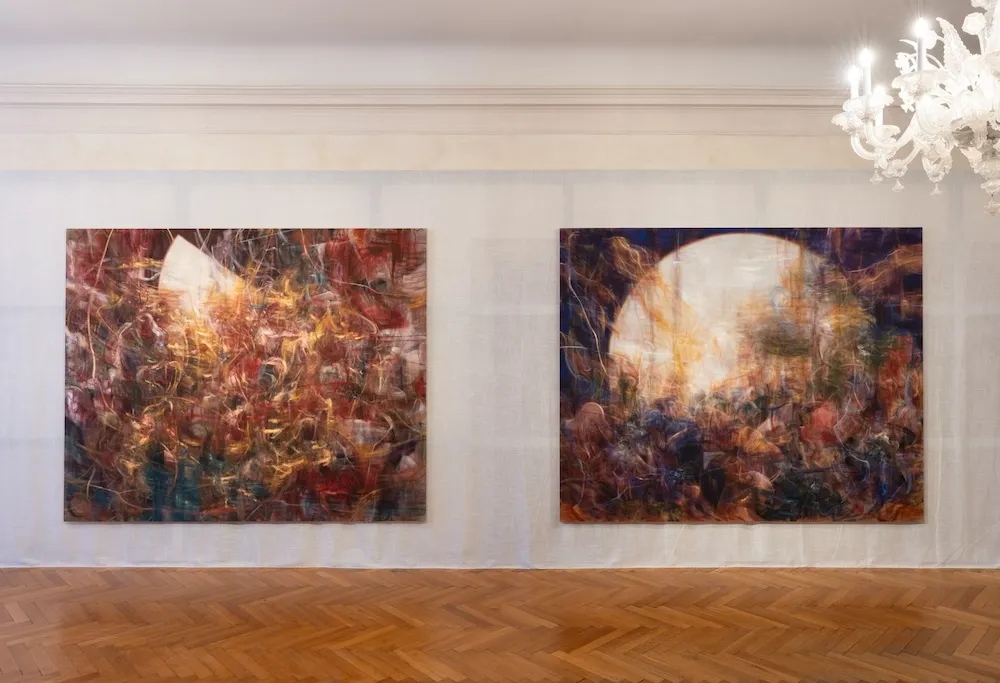
For many artists, securing gallery representation is considered a major milestone in their careers. It often symbolizes professional recognition, increased visibility, and the possibility of building a sustainable livelihood through art. Yet despite its importance, the meaning of gallery representation remains surprisingly difficult to define.
The answer often depends on whom you ask. Lawyers tend to focus on contracts and legal agreements. Gallery owners frequently describe representation as a partnership built on trust and mutual goals. Artists, meanwhile, often associate it with opportunity, support, and the hope of achieving long-term success.
British painter Nigel Cooke offers a compelling example of how gallery relationships can shape an artist’s career. When he joined London-based gallery Stuart Shave/Modern Art in 2002, his ambitions were relatively modest. Rather than dreaming of record-breaking sales or international fame, Cooke simply wanted to earn enough from painting to avoid teaching or working in a warehouse.
At the time, larger and more established galleries showed little interest in representing him. Joining a young and relatively unknown gallery required a leap of faith from both sides. Over the years, however, the relationship proved successful. Museums acquired his work, curators sought him out for exhibitions, and his reputation steadily grew alongside that of the gallery.
More than two decades later, Cooke has established himself as a respected international artist and is now represented by Pace Gallery. His recent exhibition, “Bad Habits,” at the Fondazione Querini Stampalia in Venice marked another significant achievement in his career.
The exhibition emerged from a long-term relationship-building process. After expressing a desire to participate in Venice’s influential art scene, Cooke was invited to become the foundation’s first artist-in-residence. Working from a studio inside the historic Venetian palazzo, he created a new body of paintings inspired by the city and its surrounding lagoon.
By many standards, the traditional gallery system worked exactly as intended. Representation helped provide visibility, institutional connections, and professional opportunities that contributed to the artist’s development.
Yet Cooke also highlights a reality that many artists may not fully understand when seeking representation. According to him, galleries often do not possess the detailed long-term career plans that artists imagine they do.
Many emerging artists believe galleries operate with carefully structured roadmaps designed to guide careers over decades. In reality, gallery professionals frequently navigate changing market conditions, evolving collector interests, and shifting institutional priorities. Success often depends as much on adaptability and collaboration as it does on strategic planning.
This uncertainty reflects broader changes in the contemporary art world. Rising operational costs, market fluctuations, increased competition, and changing collector behavior have altered how galleries operate. Even major galleries are reassessing their business models and artist rosters in response to economic pressures.
As a result, gallery representation today is less about guaranteed success and more about building a productive working relationship. A successful partnership typically involves shared goals, open communication, and a willingness to adapt to changing circumstances.
For artists, representation can still provide valuable benefits, including exhibition opportunities, access to collectors, professional guidance, and increased visibility. However, it is rarely a straightforward path to success, and expectations must be balanced with the realities of an increasingly complex art market.
Ultimately, gallery representation remains one of the most influential relationships in an artist’s career. But as artists, dealers, advisers, and legal professionals increasingly acknowledge, it is a relationship defined not only by contracts and sales, but also by trust, collaboration, and a degree of uncertainty about what the future may hold.

0 Comments