
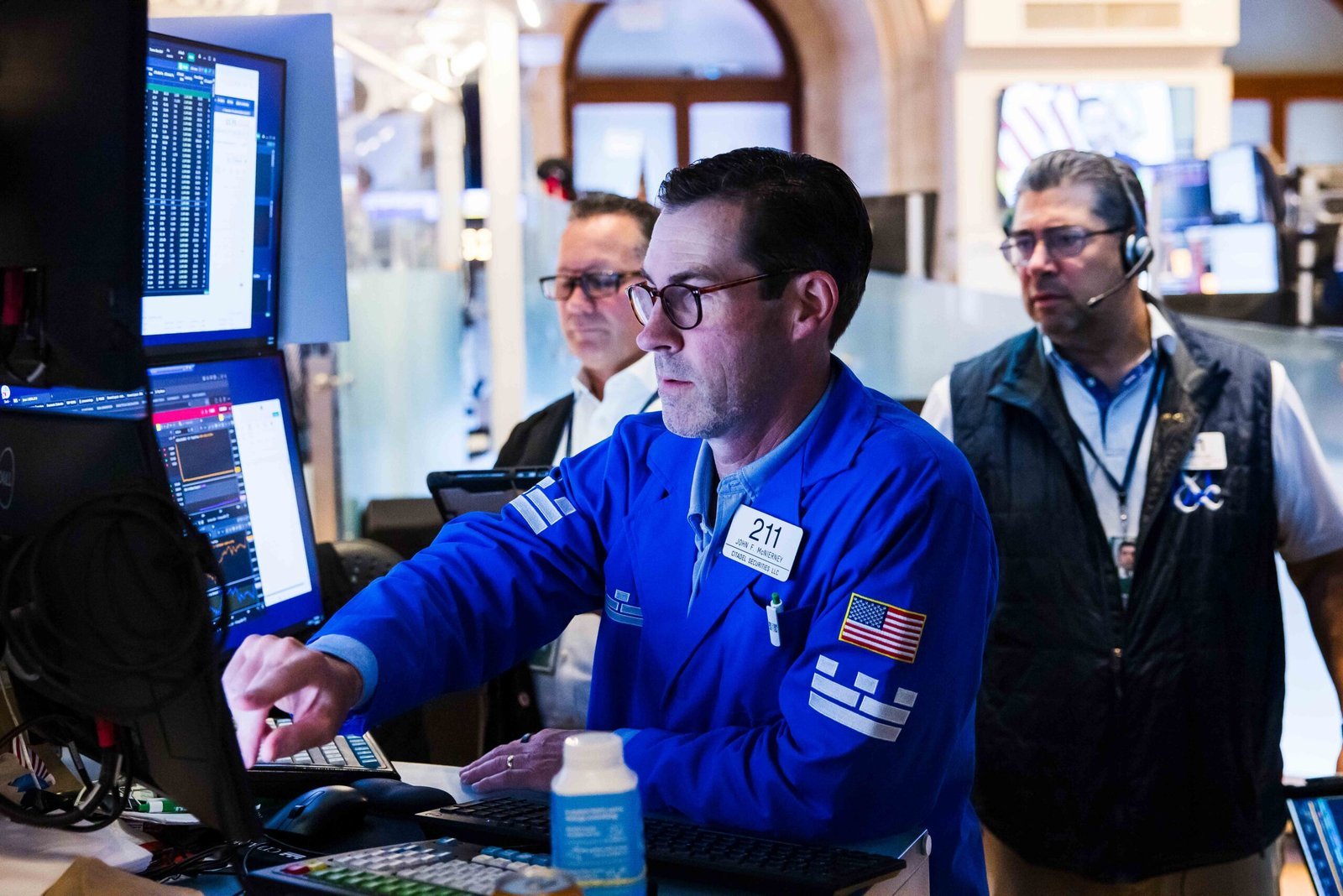
Wall Street reacted sharply to a surprisingly weak July jobs report, with analysts describing the figures as a major warning sign for the US economy.
The US economy unexpectedly lost 23,000 jobs in July, according to the latest employment data, compared with expectations for a significant increase in payrolls. The figures added to concerns that the labor market is losing momentum during the summer.
One Wall Street analyst described the report as “a pretty horrendous report”, highlighting the weakness across several areas of the economy.
US Jobs Market Shows Signs of Weakness
The July figures were considerably weaker than economists had anticipated.
The report showed that nonfarm payrolls declined by 23,000, while previous months’ employment figures were also revised lower. The revisions added to concerns that the slowdown in hiring may be broader than initially reported.
The unemployment rate, however, edged lower, creating a mixed picture for the US labor market.
Economists have increasingly been focusing on the declining pace of hiring and the number of people leaving the workforce rather than simply looking at the headline unemployment rate.
Why Wall Street Was Concerned
A weaker jobs market generally signals slower economic growth.
Businesses that are hiring fewer workers may be becoming more cautious about future demand, while consumers could eventually reduce spending if employment opportunities become harder to find.
The latest report therefore raised concerns about whether the US economy is approaching a more significant slowdown.
However, investors also saw another side to the disappointing figures.
Weak Jobs Data Could Help Stocks
Although the employment figures were bad news for the economy, they could potentially be positive for financial markets.
A weaker labor market reduces the likelihood that the Federal Reserve will need to raise interest rates to control inflation.
Markets quickly began increasing expectations for a more accommodative Fed policy, helping support growth-oriented stocks. Major US indexes nevertheless finished higher following the jobs report.
This creates an unusual situation: bad economic news can sometimes be good news for stocks because investors expect lower interest rates.
What It Means for the Federal Reserve
The July jobs figures could put additional pressure on the Federal Reserve to reconsider its approach to interest rates.
If hiring continues to weaken and inflation pressures remain manageable, investors may increasingly expect rate cuts or a prolonged pause rather than additional increases.
That prospect can benefit companies whose valuations are particularly sensitive to borrowing costs.
A Warning Sign for Jobseekers
For workers and people searching for jobs, however, the market reaction tells a different story.
A stock market rally does not necessarily mean the employment situation is improving.
The latest figures suggest that finding a new job may remain difficult, particularly for workers who have already been unemployed for an extended period.
The combination of weaker hiring, downward revisions and declining labor-force participation could indicate that the labor market is not as strong as headline unemployment figures suggest.
The Bigger Picture
Wall Street’s reaction highlights the growing divide between financial markets and the real economy.
Investors may welcome weak employment data because it could encourage the Federal Reserve to lower interest rates. For workers, however, falling employment and slower hiring can represent a serious deterioration in economic conditions.
The key question in the coming months will be whether July’s job losses represent a temporary slowdown or the beginning of a more sustained weakness in the US labor market.
For now, the report has given both investors and policymakers another reason to watch the economy closely.

0 Comments