
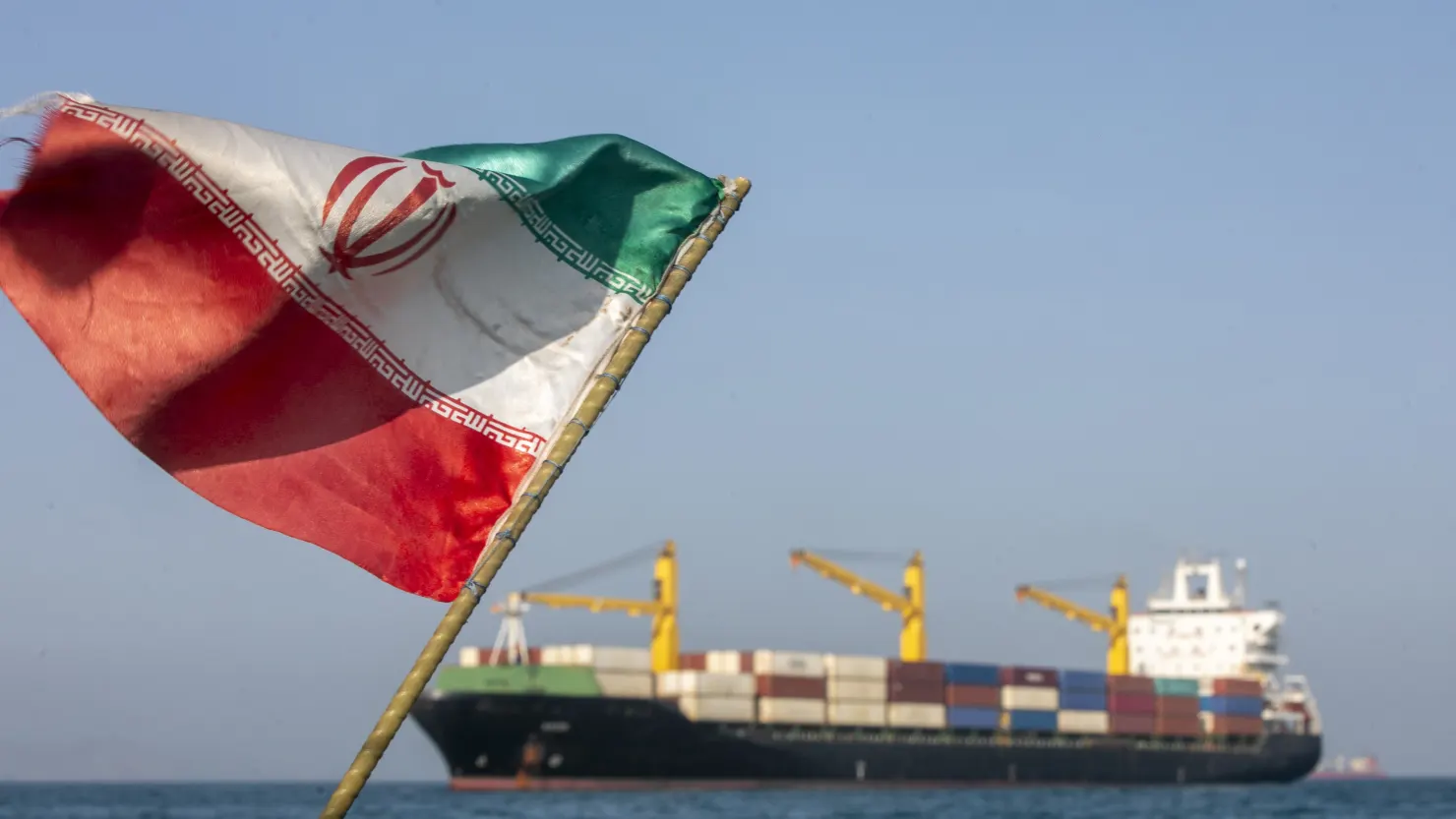
The United States and Iran have indicated possible progress toward ending their ongoing conflict, although major disagreements remain over Iran’s enriched uranium stockpile and control of shipping routes through the Strait of Hormuz.
Speaking in Miami on Thursday, Marco Rubio said there were “good signs” that negotiations were moving closer to a potential agreement. However, he warned that any peace deal would become impossible if Iran attempted to permanently impose tolls or restrictions on ships passing through the strategically important waterway.
“No one in the world is in favor of a tolling system. It can’t happen and it would be unacceptable,” Rubio told reporters.
He also cautioned that if negotiations fail to produce a satisfactory agreement, the U.S. president has “other options,” though he did not provide further details.
The comments came shortly after Iranian officials stated that the latest proposal from Washington had narrowed differences between the two sides. Iran is reportedly reviewing the American response while discussions continue through indirect exchanges based on Tehran’s earlier 14-point framework proposal.
The Strait of Hormuz remains one of the world’s most critical energy shipping routes, carrying a significant share of global oil and gas exports. Any disruption to traffic through the narrow passage has the potential to affect international energy markets and global trade.
Disagreements over Iran’s enriched uranium program also remain a major obstacle in negotiations. Western powers continue to express concern over Tehran’s nuclear activities, while Iran insists its program is intended for peaceful purposes.
Despite the unresolved issues, recent diplomatic signals from both sides have raised cautious hopes that a broader agreement to reduce tensions could still be possible.

0 Comments