
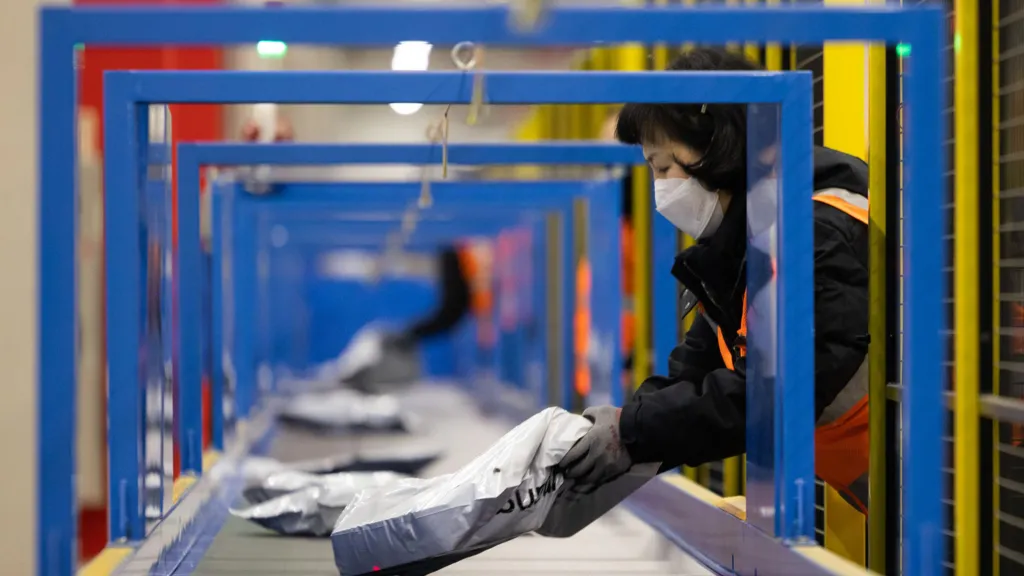
South Korea’s popular overnight delivery system has come under scrutiny after the death of a young warehouse worker raised concerns about long working hours and the impact of intense workplace demands.
Park Mi-suk said she urged her 27-year-old son, Jang Deok-jun, to leave his overnight warehouse job shortly before his death. For more than a year, Jang had worked night shifts at a warehouse operated by Coupang, one of South Korea’s largest online retailers.
His role involved moving heavy stacks of plastic containers and boxes across a large distribution facility. During that period, Park said her son lost around 15kg and frequently complained about exhaustion.
Despite his declining health, Jang refused to quit. He reportedly felt responsible for his colleagues and believed leaving would increase pressure on the remaining workers.
A week later, Park found her son unconscious in the bathroom. Emergency efforts were unsuccessful, and he was pronounced dead at hospital.
An investigation by South Korea’s state-run workers’ compensation insurer, Comwel, attributed his death to overwork.
Park said she regrets not recognizing the seriousness of her son’s exhaustion earlier.
“I didn’t pay attention to my son’s words, so I lost my son,” she said, while hoping other families and workers would not experience the same tragedy.
The case has renewed debate in South Korea over the demands created by ultra-fast delivery services, where customers have become accustomed to receiving orders within hours or overnight.
While companies have expanded logistics networks to meet consumer expectations, critics argue that the pressure to maintain speed and convenience can come at a significant human cost for warehouse and delivery workers.

0 Comments