
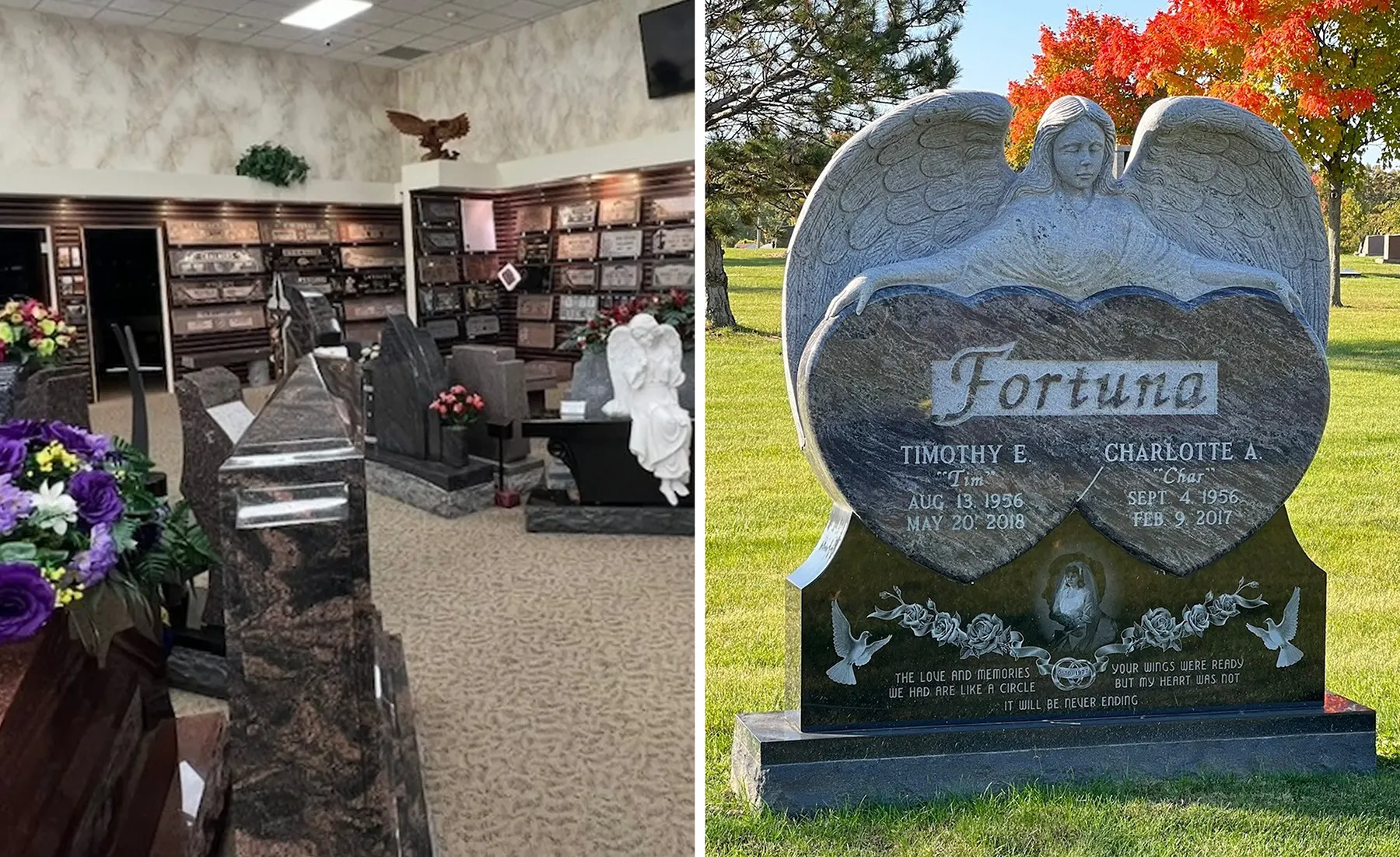
Recent tariffs on imported granite and metals are hitting makers of grave markers and memorial monuments. According to industry sources cited in a recent report, these additional import taxes are sharply increasing raw-material costs. As a result, countless small businesses that craft gravestones and memorial monuments are now confronting much higher production expenses.
These producers rely heavily on imported granite and metal components. With tariffs in place, the cost of these materials has risen significantly. Many gravestone makers warn that they must pass these cost increases to families seeking monuments — pushing up already-high funeral costs.
Some makers noted that even the most basic headstones now cost substantially more than before. Others fear this will reduce demand. They worry that rising prices may push families toward cremations or simpler memorial options.
📊 Economic ripple effects across funerals and memorials
The impact of tariffs on grave markers goes beyond monument makers. Funeral homes report that rising headstone costs are adding to the overall burden on families. This comes alongside earlier increases in the price of caskets, urns and other funeral-related items — also affected by metal and material tariffs.
Industry insiders suggest that the cumulative cost increases may accelerate existing trends. More families may opt for cremation or minimal memorials rather than full burials with expensive monuments. The shift could reduce demand in the monument business, harming a sector that often relies on steady orders.
Meanwhile, businesses face uncertain futures. Smaller monument makers, in particular, may struggle to maintain operations. Higher material costs, weaker demand, and competition with simpler funeral alternatives combine into a challenging financial environment.
⚠️ What’s at stake: memorial tradition and access
Observers warn that the tariff-driven cost surge could have broader social and cultural consequences. Memorial markers — gravestones and monuments — serve as lasting tributes. If their cost becomes too high, many families might be unable to afford them. That could erode long-standing traditions around remembrance.
Some monument-makers urge policy reconsideration. They argue that while trade policies aim to protect domestic industries, they also carry unintended consequences for small businesses and grieving families. Without relief or policy adjustment, the “cost of dying” may rise further — potentially limiting access to traditional burial options for many.

0 Comments