
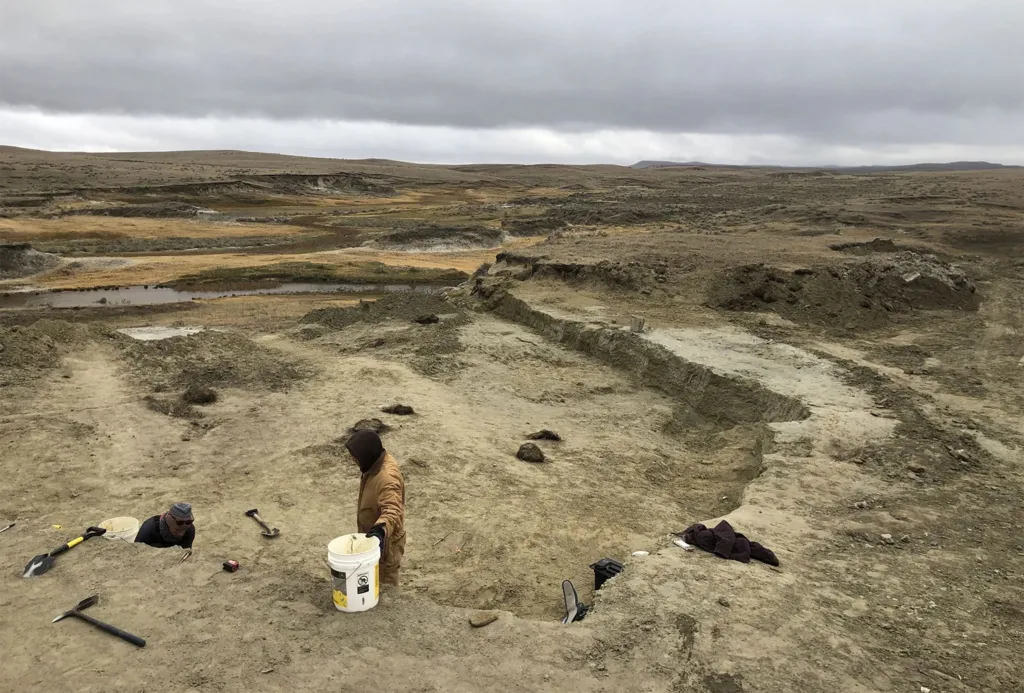
A remarkably complete Tyrannosaurus Rex fossil named Gus could become the most expensive dinosaur fossil ever sold when it goes up for auction, but the sale has reignited debate among scientists over the future of important prehistoric discoveries.
Nearly three decades after Sotheby’s sold the famous T. Rex specimen Sue for $8 million to the Field Museum in Chicago, another major dinosaur fossil is attracting global attention.
Gus, considered one of the most complete T. Rex specimens ever discovered, has already been valued at around $30 million and could potentially exceed previous auction records. The upcoming sale highlights the growing interest from wealthy private collectors seeking rare prehistoric discoveries.
However, many palaeontologists are concerned that scientifically valuable fossils could disappear into private collections, limiting researchers’ ability to study them and share discoveries with the public.
The debate centres on whether major fossil finds should be preserved primarily for museums and scientific research or whether private fossil hunters should be rewarded for discovering and protecting specimens.
Natural history experts acknowledge that finding dinosaur fossils is an extremely challenging and sometimes dangerous process. Fossil hunters often spend years searching remote locations, with some facing serious risks during excavations.
The Tyrannosaurus Rex remains one of the most famous dinosaurs in history, with its image becoming deeply connected to popular culture through films such as Jurassic Park and King Kong.
As Gus heads toward auction, the sale represents more than a record-breaking opportunity—it raises important questions about who should have ownership of Earth’s prehistoric history and how these discoveries should be preserved for future generations.

0 Comments