
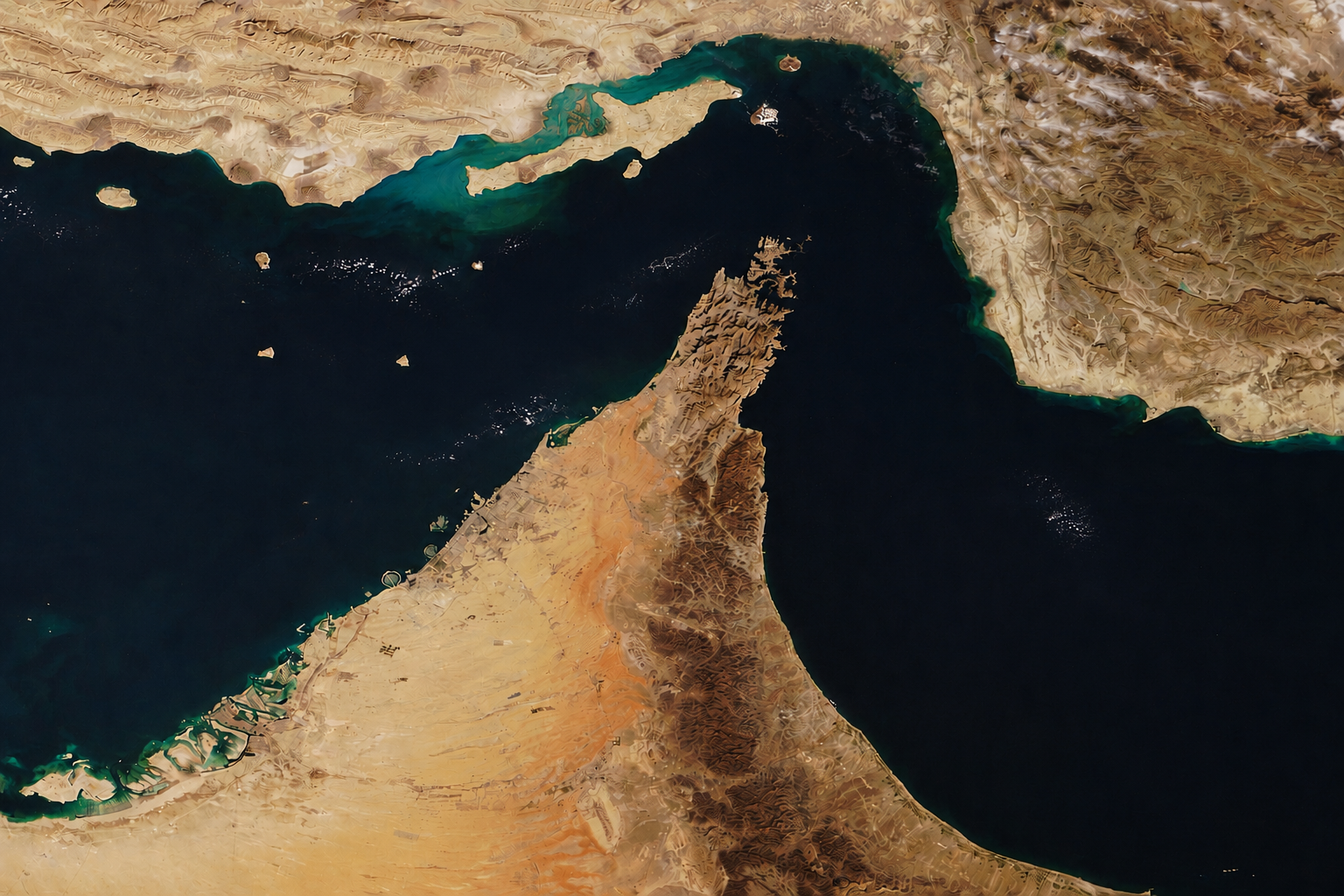
The closure of the Strait of Hormuz, one of the world’s most strategically important shipping routes, has caused a dramatic decline in global energy and cargo flows, highlighting the critical role the narrow waterway plays in international trade.
Located between Iran and Oman, the 21-nautical-mile-wide strait serves as a vital gateway connecting oil and gas producers in the Persian Gulf to markets around the world. Before commercial shipping traffic was halted on February 28, approximately 25% of global seaborne oil trade and around 20% of the world’s liquefied natural gas (LNG) exports passed through the route.
Since the closure, shipping activity has fallen sharply. According to international trade monitoring data, outbound crude oil shipments through the strait have declined by approximately 95%, while LNG exports have dropped by 99%. Cargoes related to fertilizer products have also decreased significantly, falling by an estimated 87%.
The disruption extends far beyond the energy sector. Trade data indicate that total transit volumes through the strait, which previously ranged between 3.5 million and 5 million metric tons per day, have fallen to near-zero levels.
Oil tankers, which once accounted for the majority of vessel traffic in the waterway, have largely disappeared from the route. These vessels were responsible for transporting vast quantities of crude oil and natural gas from major Gulf producers to consumers across Asia, Europe, and other regions.
Container ships carrying manufactured goods, dry bulk vessels transporting grain and industrial commodities, and general cargo ships have also experienced a near-complete halt in movement through the strait. The shutdown has disrupted supply chains and increased concerns about potential shortages, higher transportation costs, and inflationary pressures in global markets.
The Strait of Hormuz has long been regarded as one of the world’s most important maritime chokepoints due to its strategic location and the concentration of energy exports that pass through it. Any disruption to shipping in the area has the potential to influence global oil prices, energy security, and international trade flows.
Energy analysts warn that prolonged restrictions on traffic through the strait could place additional pressure on importing nations that rely heavily on Gulf energy supplies. Countries in Asia, which account for a large share of oil and LNG imports from the region, are particularly vulnerable to sustained disruptions.
Governments and shipping companies are closely monitoring developments as they assess alternative routes and contingency plans. However, replacing the enormous volume of trade that typically moves through the Strait of Hormuz remains a significant challenge.
The ongoing shutdown underscores the importance of maritime security and the central role the strait plays in maintaining the stability of global energy markets. As the situation continues, international attention remains focused on efforts to restore safe navigation and reopen one of the world’s most critical trade corridors.

0 Comments