
A livestock import ban linked to screwworm concerns is creating sharply different fortunes on either side of the U.S.-Mexico border, benefiting cattle producers in Mexico while placing growing pressure on feedlots across Texas.
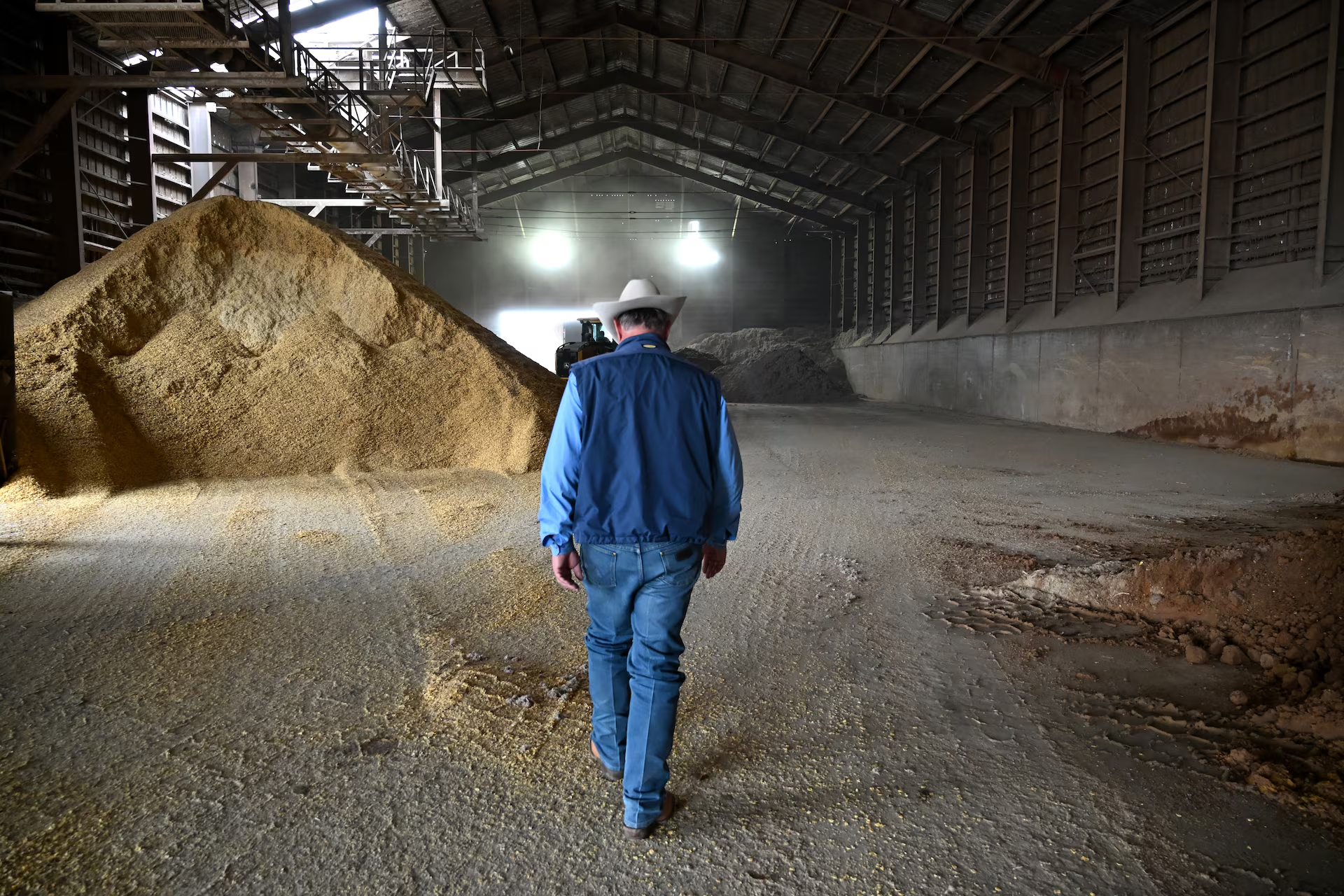
Among those affected is Lubbock Feeders, a Texas feedlot that has operated for more than seven decades. Once filled with thousands of cattle, many of its pens now stand empty as the supply of Mexican livestock that previously supported much of its business has largely disappeared.
The situation follows restrictions on cattle imports introduced due to fears surrounding the spread of the New World screwworm, a parasitic pest capable of causing severe damage to livestock populations.
Texas Feedlots Face Supply Shortages
For years, cattle imported from Mexico played a crucial role in supporting feedlots across the southern United States. These facilities purchase younger cattle, feed them until they reach market weight, and then supply them to beef processors.
With cross-border livestock movements restricted, many feedlot operators say they are struggling to secure enough animals to maintain normal operations.
Industry representatives warn that prolonged supply disruptions could force some facilities to reduce capacity, cut jobs, or even shut down entirely if conditions do not improve.
At Lubbock Feeders, owners say the shortage has dramatically reduced business activity and raised concerns about the long-term viability of operations that have served the region for generations.
Mexico’s Cattle Industry Benefits
While U.S. feedlots face challenges, the restrictions have had the opposite effect in Mexico.
With fewer cattle being exported north, more animals are remaining within the country, increasing supplies available to domestic producers and processors. The situation has contributed to stronger activity within Mexico’s beef sector and created new opportunities for local businesses.
Analysts say the shift has effectively redirected economic benefits that would normally flow across the border into the U.S. cattle feeding industry.
What Is the Screwworm?
The New World screwworm is a parasitic fly whose larvae feed on the living tissue of warm-blooded animals. Infestations can cause severe injuries, illness, and, in extreme cases, death if left untreated.
Because of the significant threat it poses to livestock and wildlife, governments closely monitor any potential outbreaks and often impose strict movement controls to prevent its spread.
The United States successfully eradicated screwworm decades ago through extensive control programs, making authorities particularly cautious about preventing its return.
Impact on Beef Markets
The cattle shortage is occurring at a time when beef supplies are already under pressure from weather-related challenges, rising production costs, and herd reductions in parts of North America.
Reduced livestock imports may contribute to tighter cattle inventories and potentially higher beef prices for consumers if supply constraints continue.
Market analysts note that the full economic impact will depend on how long the restrictions remain in place and whether alternative cattle sources can offset the shortfall.
Industry Calls for Solutions
Agricultural groups on both sides of the border are urging governments to strengthen monitoring and pest-control efforts to restore confidence in livestock trade.
Many producers argue that maintaining strong animal health protections is essential, but they also emphasize the importance of minimizing disruptions to an industry that supports thousands of jobs and billions of dollars in economic activity.
As authorities continue efforts to manage the screwworm threat, cattle producers, feedlot operators, and beef processors will be watching closely for signs that cross-border livestock trade can safely resume.
Until then, the border closure is creating winners and losers, fueling growth in Mexico’s cattle sector while leaving many Texas feedlots facing an uncertain future.

0 Comments