
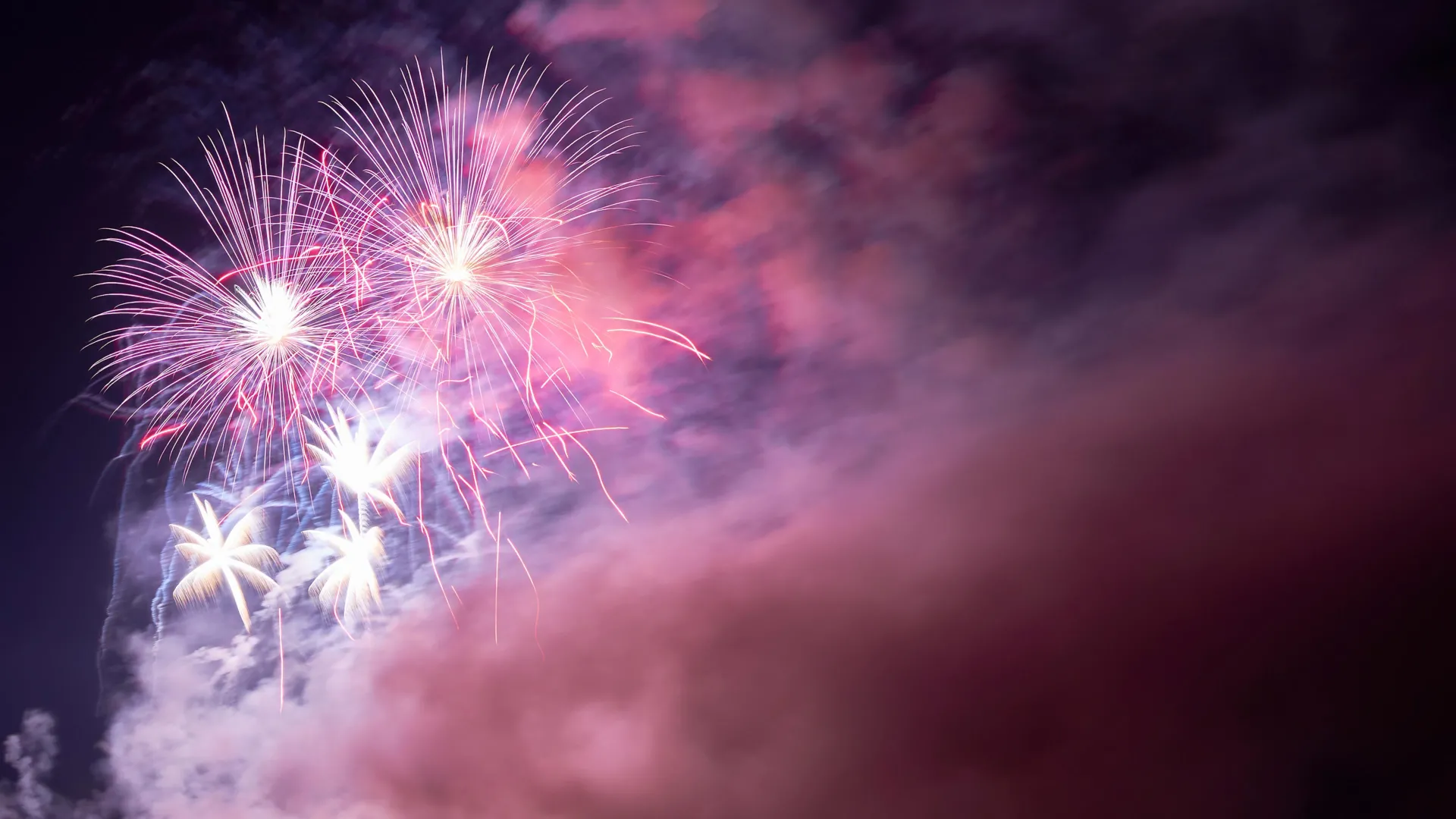
New fireworks pollution research suggests that fireworks affect the environment long after the displays end. Scientists have found that fireworks release fine particles into the air, leave chemical residues in waterways, and produce pollutants that may affect both ecosystems and public health. The findings come from three separate studies published in scientific journals by researchers associated with the American Chemical Society.
Researchers explained that most people notice the smoke and bright colors during a fireworks display. However, the environmental effects continue after the celebration ends. Fireworks leave behind burnt materials, chemical compounds, and tiny airborne particles that remain in the environment for extended periods. Therefore, scientists wanted to understand how these materials affect air quality and natural ecosystems.
The studies examined pollution in both urban and natural environments. Together, they provide a broader understanding of how fireworks influence the atmosphere, lakes, rivers, and surrounding communities. Researchers believe the results can help improve environmental management during large public celebrations.
Fireworks Pollution Research Examines Air and Water
The fireworks pollution research found that used firecrackers release metal ions, organic compounds, and other chemical substances when they enter lakes or rivers. Laboratory experiments showed that these materials can alter water chemistry and affect microorganisms that play an important role in healthy aquatic ecosystems. Scientists said repeated exposure could create additional environmental stress in areas where fireworks are used frequently.
Researchers also studied air quality during a large public event that included fireworks displays. They observed sharp increases in fine particulate matter during opening and closing ceremonies. Food vendors, vehicle traffic, and crowd movement also contributed to pollution. Even so, fireworks created noticeable spikes in airborne particles that reduced air quality for attendees.
According to the research, people who attended the event throughout its duration experienced pollution levels that exceeded recommendations issued by the World Health Organization. Scientists noted that fine particles can travel deep into the lungs and may increase health risks, especially for children, older adults, and people with existing respiratory conditions.
Researchers Recommend Better Firework Waste Management
Another study focused on chemical compounds known as amines, which appear in some fireworks. Scientists measured these compounds during Lunar New Year celebrations and found that their concentrations increased significantly while fireworks were active. These chemicals can react in the atmosphere and contribute to haze formation and reduced air quality. Researchers also recorded higher levels of sulfate, potassium, and fine particulate matter during the celebrations.
Scientists believe proper cleanup after fireworks displays could reduce some environmental effects. Collecting spent fireworks and preventing debris from entering rivers and lakes may help protect water quality. In addition, organizers can consider environmental planning when preparing large public celebrations.
Researchers emphasized that the studies do not suggest ending fireworks displays altogether. Instead, they encourage greater awareness of the environmental impacts and support practical steps that reduce pollution while allowing communities to continue celebrating important events. Future research will examine additional ways to minimize emissions and improve waste management without reducing the cultural importance of fireworks.
The findings provide new insight into how fireworks influence both air and water quality. As communities continue organizing large celebrations, researchers hope the evidence will support informed decisions that protect public health while reducing unnecessary environmental pollution.

0 Comments