
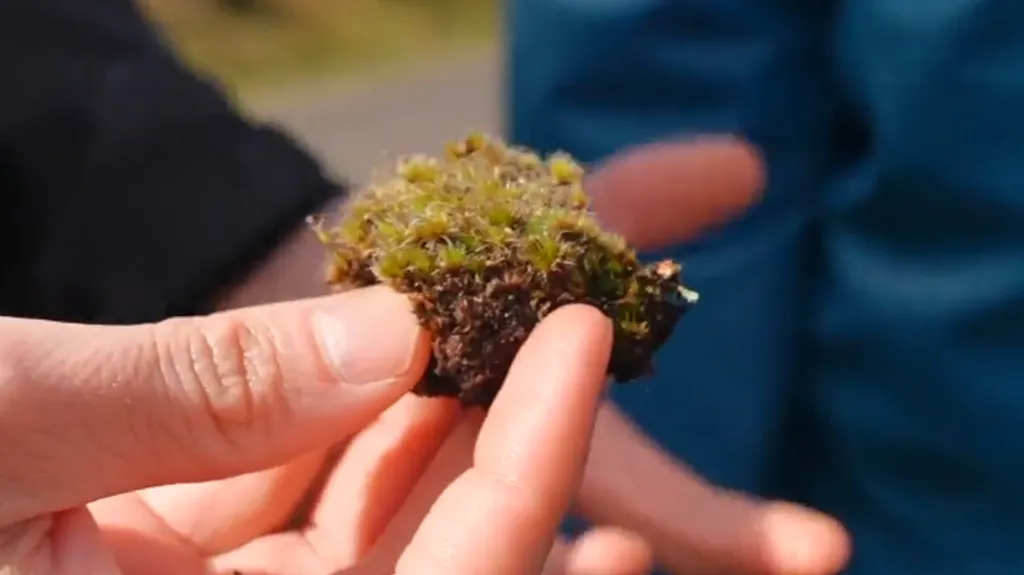
Scientists in the United Kingdom have identified a new species of fungus that attacks and kills an invasive moss responsible for damaging native ecosystems, offering fresh hope for habitat restoration efforts.
The newly discovered fungus targets heath-star moss, a non-native species that has spread aggressively across parts of Britain. The plant forms dense mats that overwhelm local vegetation, reducing biodiversity and altering sensitive habitats.
Researchers believe the fungus could represent a rare example of a natural biological control emerging within the British environment to combat an invasive species.
Discovery Made by Chance
The breakthrough was made by Dr. George Greiff, a researcher who first noticed unusual patches of dead heath-star moss during a walk on the Isle of Wight four years ago.
Intrigued by the dying moss, he collected samples and began investigating the cause. Initially, researchers struggled to identify what was killing the invasive plant, but further analysis eventually revealed a previously unknown fungal species.
The fungus appears to spread through colonies of heath-star moss, creating distinctive circular patterns that researchers have described as “fairy rings of death.”
A Threat to Native Habitats
Heath-star moss has become a significant concern for conservationists because of its ability to rapidly colonize landscapes and outcompete native species.
As it spreads, the moss can smother ground vegetation, reduce habitat diversity, and alter environmental conditions that many native plants and animals depend upon.
Conservation experts have long sought effective ways to control its expansion without causing additional harm to surrounding ecosystems.
Natural Biological Control
The discovery is particularly significant because biological controls against invasive species are relatively uncommon in natural environments.
Many invasive organisms thrive because they arrive in new regions without the predators, diseases, or pathogens that keep them under control in their native habitats.
Scientists say the newly discovered fungus may help restore a more natural balance by specifically targeting heath-star moss while allowing native species an opportunity to recover.
However, researchers stress that further studies are needed to fully understand the fungus, its life cycle, and its long-term ecological impact.
Hope for Restoration Projects
If future research confirms that the fungus can safely limit the spread of heath-star moss, it could become an important tool in habitat restoration programs.
Conservation groups are increasingly focused on protecting vulnerable ecosystems from invasive species, which are considered one of the leading threats to biodiversity worldwide.
The emergence of a natural enemy for heath-star moss could reduce the need for costly management measures and help native plants regain lost ground.
Looking Ahead
Researchers are now monitoring the spread of the fungus across Britain to determine how effectively it controls heath-star moss populations in different environments.
The discovery highlights the complexity of natural ecosystems and demonstrates how unexpected ecological interactions can sometimes provide solutions to environmental challenges.
While scientists caution that more research is necessary before drawing firm conclusions, the fungus has already generated excitement among conservationists seeking new ways to restore habitats damaged by invasive species.
For many environmental experts, this unusual “killer fungus” may represent a promising ally in the ongoing effort to protect Britain’s native biodiversity.

0 Comments