
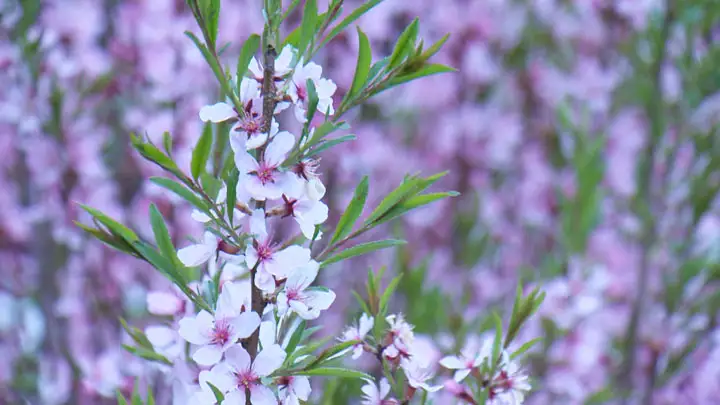
Many Edmonton residents are enjoying the recent stretch of warm weather, but for those who suffer from seasonal allergies, the season has brought an unwelcome surge in pollen levels.
Jessica Wiekli, who recently moved to Edmonton from Calgary, said this is her first allergy season in the city and the experience has been difficult.
“It’s awful here,” Wiekli said, explaining that she was surprised by the severity of the symptoms compared to what she had experienced previously.
Experts say allergy sufferers are not imagining the increase in symptoms. According to local arborists, this year’s allergy season has been particularly intense due to unusual weather patterns during the transition from winter to spring.
Kevin Sproule, an arborist with Davey Tree Edmonton, explained that a delayed start to spring combined with extended dry conditions has created ideal circumstances for higher pollen concentrations.
Sproule said the region experienced several periods of warmer temperatures earlier in the year that gave trees the impression that spring had arrived. However, those warm spells were followed by returns to colder winter-like conditions, creating what experts refer to as “false springs.”
These repeated temperature fluctuations caused trees to repeatedly prepare for growth before being forced back into dormancy. As temperatures finally stabilized and warmer weather settled in, many trees released large amounts of pollen within a shorter period, increasing exposure for allergy sufferers.
The lack of significant rainfall has also contributed to the problem. Rain typically helps wash pollen from the air and surrounding surfaces, providing temporary relief for those with seasonal allergies. Dry conditions, however, allow pollen to remain airborne for longer periods and spread more easily through communities.
Health experts advise people with seasonal allergies to monitor local pollen forecasts, keep windows closed during high-pollen days, and consider using air filtration systems indoors. Limiting outdoor activities during peak pollen hours and consulting healthcare professionals about allergy medications can also help manage symptoms.
With warm and dry conditions expected to continue, many Edmonton residents may face ongoing allergy challenges throughout the remainder of the spring season.

0 Comments