
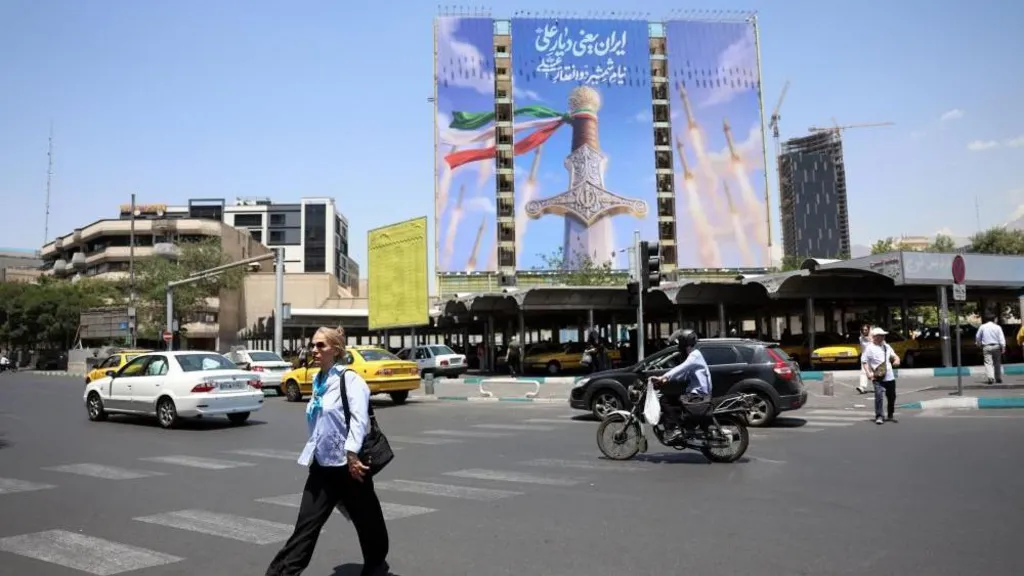
Iran’s Foreign Minister Seyed Abbas Araghchi has said that a deal with the United States to end the ongoing conflict is close, with one of the key elements being the reopening of the Strait of Hormuz, one of the world’s most important energy shipping routes.
Speaking to Iranian state television, Araghchi said the proposed agreement would also include the lifting of the U.S. blockade on Iran. However, discussions regarding Iran’s nuclear programme would be postponed until after a broader peace agreement is finalized.
U.S. officials have acknowledged parts of the proposed framework, while stressing that any economic relief for Iran would depend on Tehran meeting the commitments outlined in the agreement.
The conflict began on February 28 following a series of U.S. and Israeli strikes across Iran. In response, Iran launched attacks against Israel and several Gulf nations allied with the United States, escalating tensions across the region.
One of the most significant consequences of the conflict was the disruption of traffic through the Strait of Hormuz. The strategic waterway serves as a major route for global oil and liquefied natural gas exports, making its closure a major concern for international energy markets.
The potential reopening of the strait is expected to ease pressure on global energy supplies and improve stability in shipping and trade. Analysts say a successful agreement could also help reduce geopolitical tensions that have affected financial markets and economic growth in recent months.
While both sides appear to be moving closer to an understanding, several details still need to be finalized before any formal agreement can be announced. Diplomatic efforts are continuing as negotiators work to secure a lasting ceasefire and create a path toward broader discussions on regional security and Iran’s nuclear activities.
If completed, the agreement could mark a significant step toward restoring stability in the Middle East and reopening one of the world’s most critical trade corridors.

0 Comments