
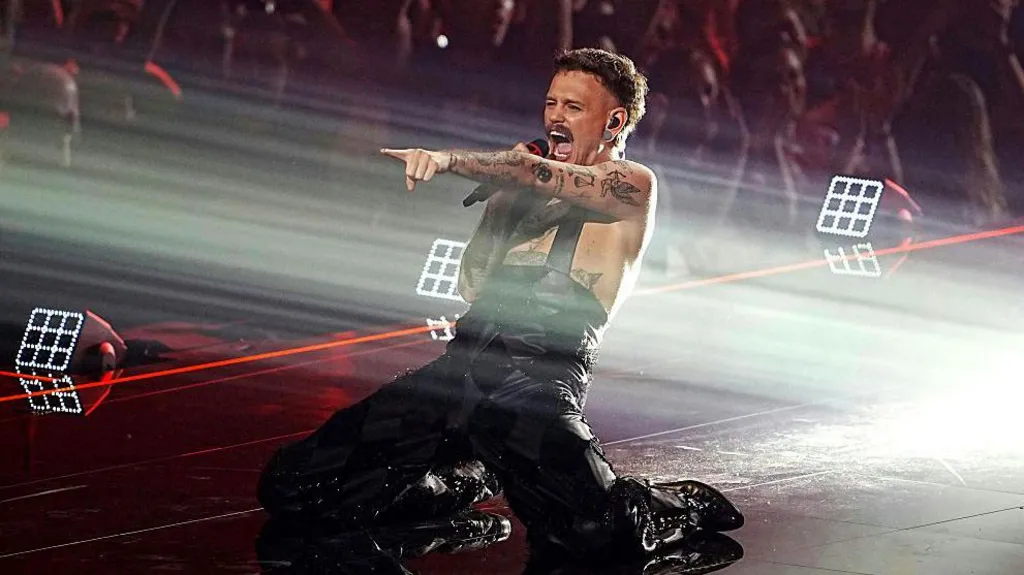
The grand final of the Eurovision Song Contest is set to take place on Saturday night, with countries including Finland, Greece, and Australia emerging as leading contenders for this year’s title.
Hosted in Vienna, the competition is once again expected to deliver a mix of theatrical performances, dramatic staging, and high-energy musical acts that have become trademarks of Eurovision.
This year’s event appears heavily influenced by Vienna’s classical music heritage, with several contestants reportedly incorporating operatic elements and soaring vocal sections into their songs — whether the style naturally fits the performance or not.
Fans can also expect elaborate choreography, daring stage performances, emotionally charged ballads, and flamboyant costumes as artists compete for Europe’s biggest music crown.
Among the most talked-about highlights are reportedly intense violin-driven performances, bold rock anthems with provocative themes, and what organizers describe as one of the longest sustained vocal notes ever attempted in Eurovision history.
The annual competition has long been known for blending music, spectacle, and unpredictable live television moments, attracting millions of viewers from across Europe and beyond.
Eurovision continues to serve as a major platform for emerging artists while also showcasing the diverse musical identities and performance traditions of participating countries.
The live final will be broadcast internationally, with viewers able to watch the performances and voting drama unfold in real time.
As anticipation builds, fans are already debating which act will capture the most votes and whether this year’s winner will be remembered for vocal talent, stage production, or pure Eurovision eccentricity.

0 Comments