
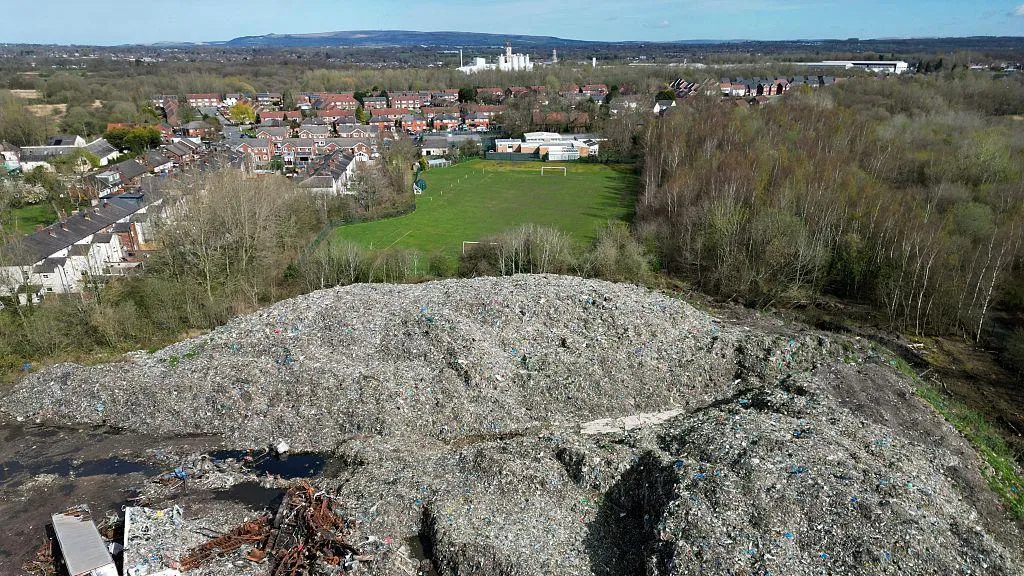
The Environment Agency (EA) has published a new watchlist identifying some of England’s largest suspected illegal waste sites, highlighting the scale of the country’s ongoing waste crime problem.
The list includes 117 locations classified as “high priority” sites, among which 28 have been designated as illegal waste “super sites.” Each of these locations is believed to contain more than 20,000 tonnes of waste, with some sites holding significantly larger volumes.
According to the Environment Agency, the largest site on the watchlist is located in Northwich, Cheshire, where an estimated 281,000 tonnes of contaminated soil have accumulated. The site was previously identified during an investigation into illegal waste operations and is among the most substantial waste dumps currently known to authorities.
The newly released watchlist forms part of the agency’s efforts to increase transparency regarding enforcement activity and ongoing investigations. Officials stated that the publication allows local residents to see where action is being taken and provides greater visibility into the agency’s response to environmental crime.
While the watchlist focuses on the most serious cases, the Environment Agency estimates that there are approximately 700 illegal waste sites operating across England. These sites can range from smaller unauthorized dumping grounds to large-scale operations involving significant quantities of waste material.
Illegal waste sites pose numerous environmental and public health concerns. Poorly managed waste can contaminate soil and water supplies, increase fire risks, attract pests, and create long-term hazards for nearby communities. Cleanup operations can also place substantial financial burdens on local authorities and taxpayers.
Among the locations included on the watchlist are sites at Hoads Wood in Kent and Kidlington in Oxfordshire, where major cleanup efforts are already underway. Both locations have attracted attention due to the scale of the waste involved and the complexity of the remediation work required.
The Environment Agency has emphasized that tackling waste crime remains a priority and that enforcement actions will continue against those responsible for illegal dumping activities. Investigations often involve cooperation with local authorities, law enforcement agencies, and environmental specialists.
Environmental groups have welcomed efforts to identify and address major illegal waste sites but continue to call for stronger enforcement measures and increased resources to combat waste-related crime.
The publication of the watchlist highlights the growing challenge posed by illegal waste operations across England and underscores the importance of ongoing monitoring, regulation, and cleanup efforts to protect communities and the environment.
As authorities continue to investigate and remediate these sites, the Environment Agency hopes greater public awareness will support efforts to reduce waste crime and improve environmental protection nationwide.

0 Comments