
In late 2021, biotech executive Amber Salzman walked into an interview she did not intend to turn into a career decision. A recruiter had asked her to speak with a relatively new start-up, Epicrispr Biotechnologies, for a potential chief executive role. With decades of pharmaceutical experience behind her, she agreed to the meeting as a favour, without any real expectation of joining the company.
That changed during the conversation.
Halfway through the interview, Salzman listened as Epicrispr founder Stanley Qi sketched diagrams on a whiteboard, outlining a new approach to genetic medicine. Instead of directly editing DNA, the company aimed to modify the chemical markers that sit on top of genetic material—essentially controlling whether genes are switched on or off without changing the underlying code itself.
Curious, Salzman pressed the team on their medical focus. “What disease are we going after?” she asked.
The answer came back: facioscapulohumeral muscular dystrophy (FSHD).
A New Chapter Beyond Traditional CRISPR
The moment reflected a broader shift in biotechnology. While traditional CRISPR techniques have focused on cutting and rewriting DNA sequences, a growing field of research is now exploring epigenome editing—a method that targets gene regulation rather than genetic code itself.
Scientists believe this approach could offer a more controlled and potentially reversible way to treat disease, reducing some of the risks associated with permanent genetic changes.
How Epigenome Editing Works
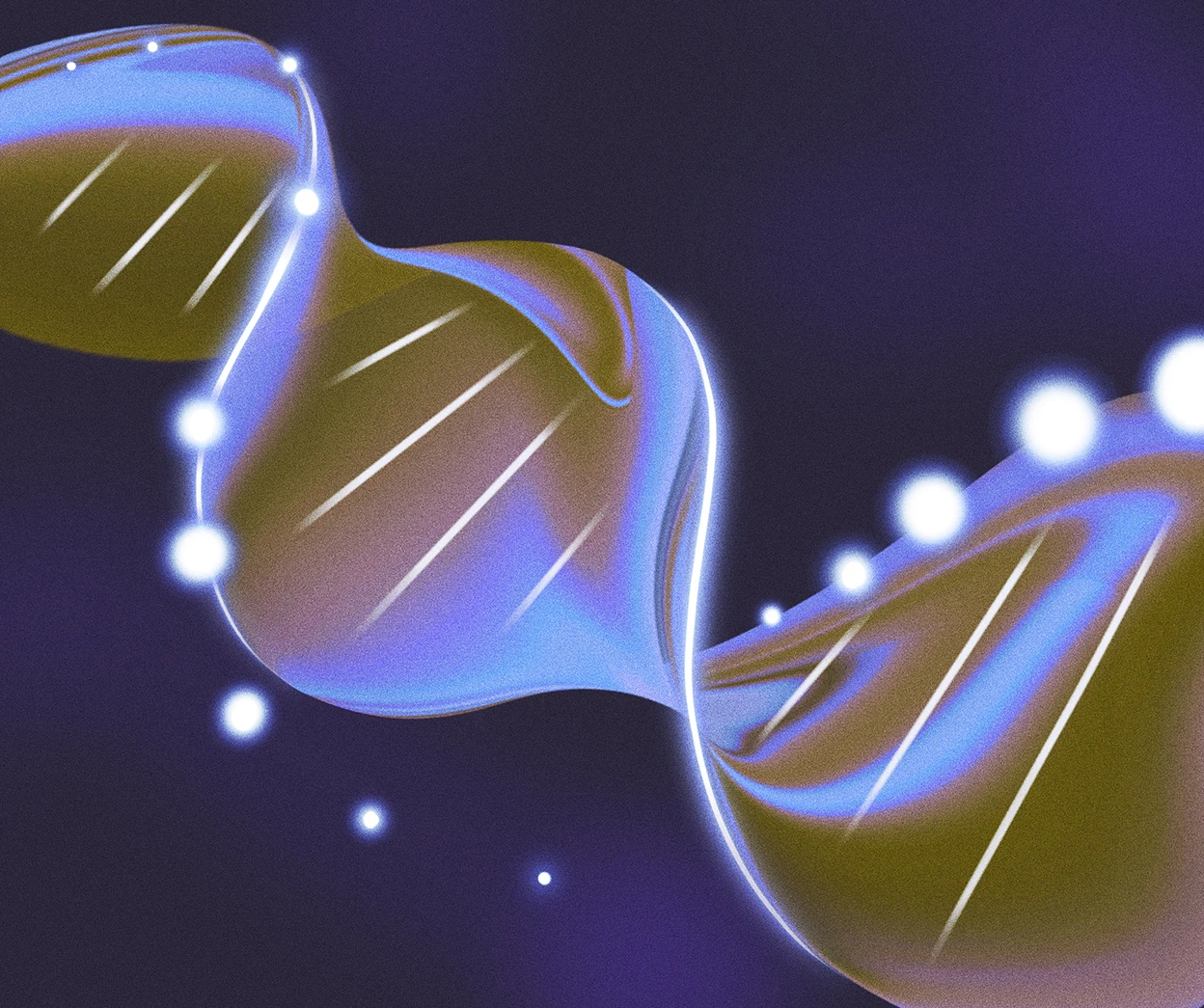
Unlike conventional gene editing, which alters the DNA sequence, epigenome editing aims to influence how genes are expressed. Chemical markers attached to DNA act like switches, determining whether certain genes are active or silent.
By adjusting these markers, researchers hope to correct abnormal gene activity linked to disease without permanently altering a person’s genetic code.
A Growing Biotech Frontier
Companies like Epicrispr Biotechnologies are among a new wave of startups exploring this technology. Their goal is to develop therapies that can precisely regulate gene activity to treat conditions that currently have limited or no effective cures.
For Salzman, the shift in perspective during that interview marked the beginning of a new direction in her career—and a broader belief in the potential of epigenetic medicine.
As research advances, epigenome editing is emerging as one of the most promising next steps in genetic therapy, potentially expanding the impact of CRISPR far beyond its original applications.

0 Comments