
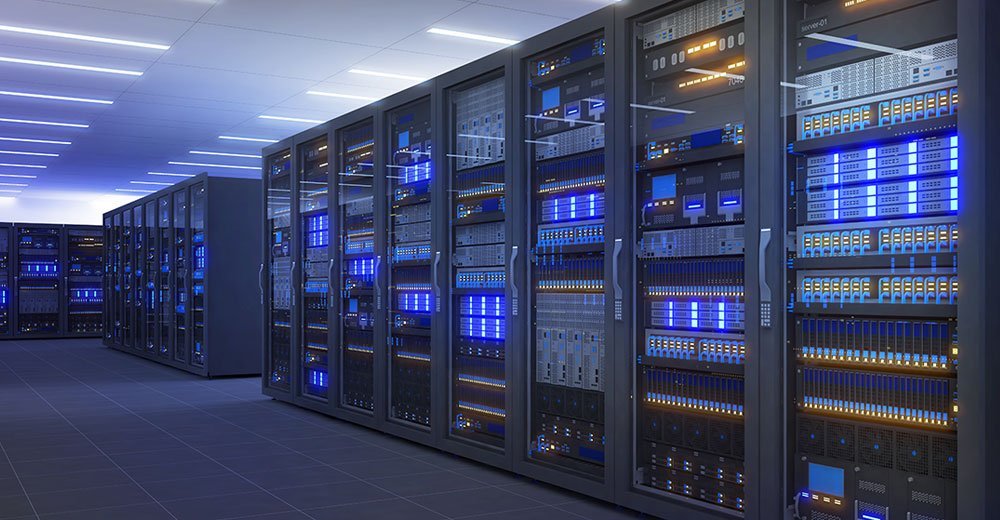
As artificial intelligence rapidly expands across industries, experts are warning that the real obstacle facing the AI boom is no longer computing chips alone — it is electricity, cooling, and infrastructure capacity.
The explosive growth of AI systems has dramatically increased pressure on global data center networks, shifting attention away from graphics processing units (GPUs) toward the massive energy demands required to operate them efficiently.
Industry analysts say the future of the AI economy may depend less on who controls advanced processors and more on who can secure stable power supplies and maintain resilient infrastructure at scale.
Modern AI models require enormous amounts of electricity to train and operate, especially inside large GPU clusters that consume far more power than traditional computing systems.
Experts note that many existing data centers were built only a few years ago but are already struggling to handle the thermal output and sustained electrical load generated by today’s AI hardware.
Some advanced AI cabinets now consume between 30 and 60 kilowatts each, creating unprecedented cooling and energy challenges for operators.
As a result, securing reliable electricity has become one of the most important competitive advantages in the technology sector.
Companies investing billions into AI infrastructure are increasingly encountering delays because local power grids cannot support planned expansion projects. In some cases, major developments have reportedly stalled despite access to cutting-edge chips simply because sufficient energy resources are unavailable.
The situation is also reshaping business strategies across the technology industry, with firms now prioritizing energy access, cooling systems, and infrastructure resilience alongside semiconductor procurement.
Analysts warn that without proper infrastructure, even the most advanced AI processors become ineffective because systems cannot operate safely or efficiently at required scales.
The growing energy demands of artificial intelligence are also raising broader concerns about sustainability, electricity pricing, and the environmental impact of next-generation data centers.
As global competition around AI intensifies, experts believe countries and companies capable of rapidly expanding energy infrastructure may gain a significant long-term advantage in the race to dominate the AI economy.
The shift highlights how the future of artificial intelligence may depend as much on power grids and engineering as on software and algorithms.

0 Comments