
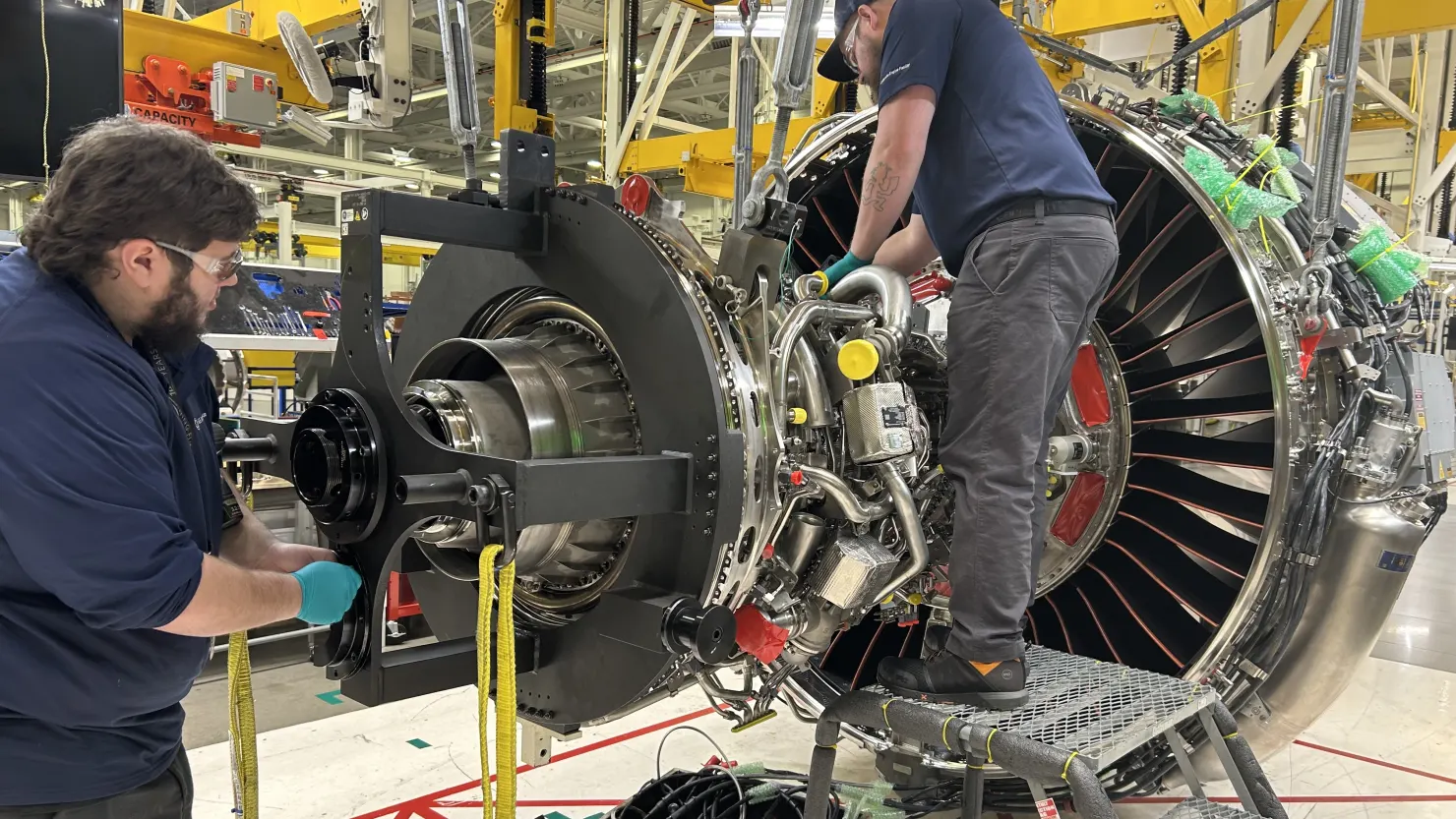
Airlines are increasingly voicing concerns that the latest generation of aircraft engines has not delivered the reliability levels promised by manufacturers, creating additional costs and operational challenges for carriers already dealing with aircraft shortages and soaring fuel prices.
Executives from major airlines raised the issue during the annual meeting of the International Air Transport Association (IATA) in Rio de Janeiro, noting that while newer engines offer improved fuel efficiency, they are requiring maintenance far earlier and more frequently than expected.
The engines, designed for newer aircraft produced by Boeing and Airbus, were marketed as capable of reducing fuel consumption by approximately 15 percent or more compared to previous models. However, airline leaders say these gains are being offset by increased maintenance expenses and unexpected aircraft downtime.
Alexis von Hoensbroech, chief executive of Canada’s WestJet, described the engines as “engineering marvels” but acknowledged that pushing technological boundaries appears to have come at the expense of reliability. He explained that airlines are seeing engines removed for unscheduled maintenance significantly more often than with earlier generations.
Modern aircraft engines operate at higher temperatures to improve fuel efficiency, helping airlines reduce one of their largest operating expenses after labor costs. However, industry executives say these hotter operating conditions may contribute to faster wear and tear, forcing planes out of service and reducing fleet availability.
With global travel demand remaining strong despite rising ticket prices, airlines are concerned that grounded aircraft represent lost revenue opportunities at a time when higher fuel expenses are already placing pressure on profit margins. Industry estimates suggest airlines collectively face an additional fuel bill of around $100 billion this year.
While manufacturers have reportedly made some improvements to engine performance, airline executives maintain that the technology has yet to achieve the reliability standards necessary for efficient long-term operations. Until those issues are addressed, many carriers fear that the anticipated fuel savings from newer engines will continue to be eroded by costly and unplanned maintenance requirements.

0 Comments