
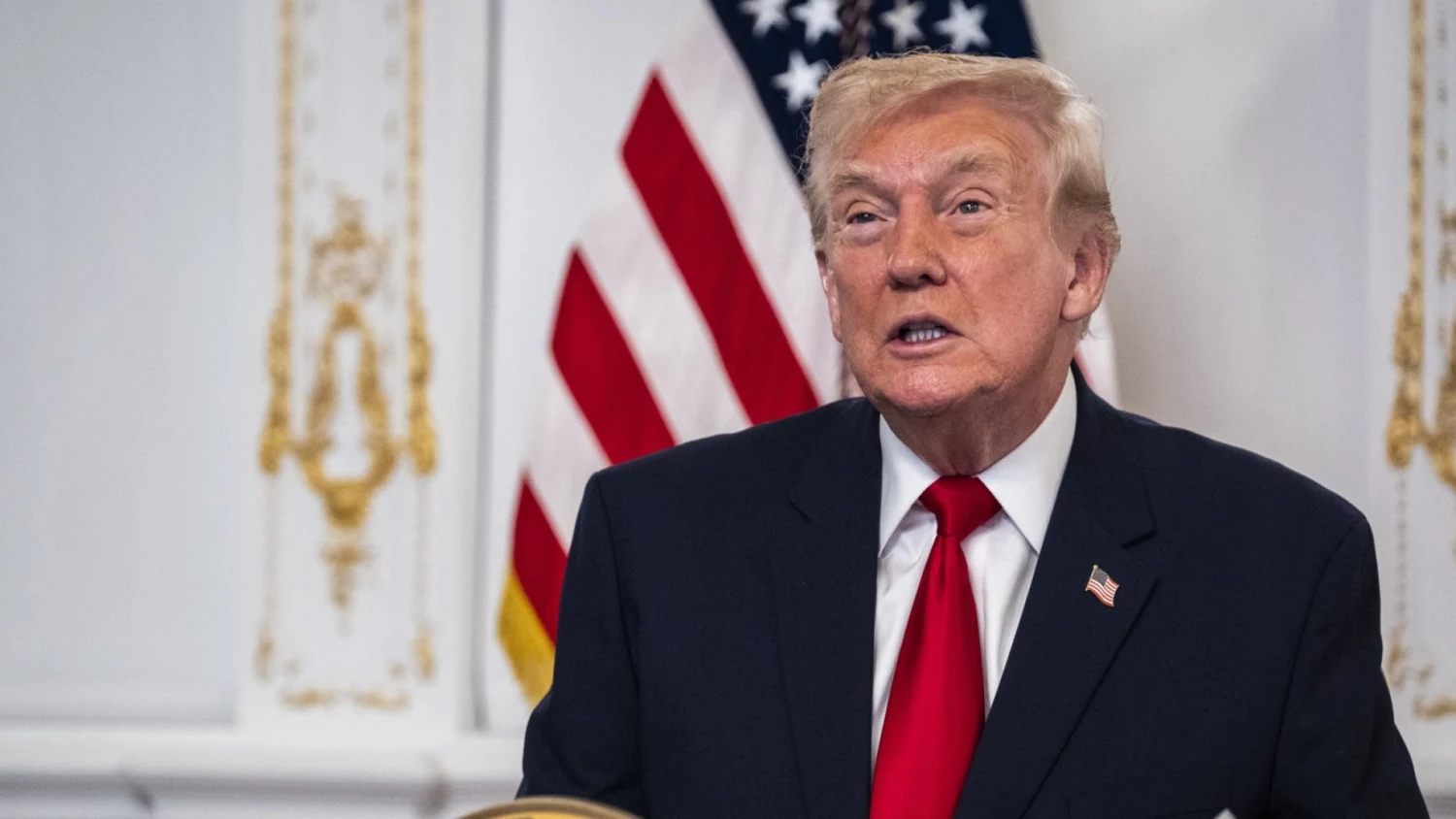
The White House has released a national artificial intelligence policy framework that urges Congress to pass legislation establishing a unified national approach to AI regulation. The administration said a single federal framework would help avoid a patchwork of state rules that could slow innovation in the fast-growing technology sector.
Officials emphasized that the framework aims to balance innovation with consumer protections. The proposal outlines policy priorities for lawmakers as artificial intelligence becomes increasingly important to economic growth and global technological competition.
The administration has argued that a unified approach would give technology companies greater certainty while allowing the United States to maintain leadership in the global AI race.
“We need one national AI framework, not a 50-state patchwork,” a White House technology adviser said when discussing the proposal.
Consequently, the framework calls on Congress to develop legislation that could apply nationwide rather than relying on separate state-level rules.
👶 Proposal Highlights Child Safety and Online Protections
The policy blueprint includes several proposals designed to protect children using online platforms and AI systems. Lawmakers are encouraged to consider safeguards that give parents greater control over children’s digital activity and privacy.
The framework also suggests adding protections to reduce risks of sexual exploitation, harmful online content, or self-harm linked to digital platforms. Supporters say these protections could help address growing concerns about how young people interact with advanced AI technologies.
In addition, the proposal highlights the need for measures that prevent AI-generated scams and fraud, which have increased as artificial intelligence tools become more widely available.
Therefore, child protection and online safety appear among the central priorities of the proposed national policy.
⚡ Framework Addresses Energy Demand From AI
Another major issue addressed in the framework involves the large energy requirements of AI data centers. The proposal calls for faster approval processes that could allow data centers to generate electricity on-site in order to reduce pressure on local power grids.
Data centers that power advanced AI systems consume vast amounts of electricity. As a result, the rapid expansion of artificial intelligence has raised concerns about energy costs and infrastructure capacity.
The White House argues that improving energy infrastructure will help ensure that the United States can continue developing large-scale AI systems without placing excessive strain on electricity networks.
📊 Focus on Innovation and Global Competition
The framework also calls for removing barriers to AI innovation and accelerating the deployment of AI technologies across different sectors of the economy. Officials say these steps are necessary to maintain U.S. competitiveness as other countries invest heavily in artificial intelligence.
The document highlights issues such as intellectual property protections, free speech considerations, and workforce development for AI-related industries. These areas are expected to play a major role in future legislation if Congress decides to adopt the policy recommendations.
However, the framework remains a policy proposal rather than a law. Congress would need to pass legislation before any of the recommendations could take effect.
🏛️ Lawmakers Expected to Debate Proposal
The White House said it looks forward to working with lawmakers to convert the framework into legislation. Congressional leaders have already described the document as a potential roadmap for future AI policy.
Nevertheless, the proposal could face political debate. Some lawmakers and state governments may resist efforts to limit state authority over AI regulation.
As discussions continue in Washington, the framework is expected to shape future conversations about how the United States regulates and develops artificial intelligence technologies.

0 Comments