
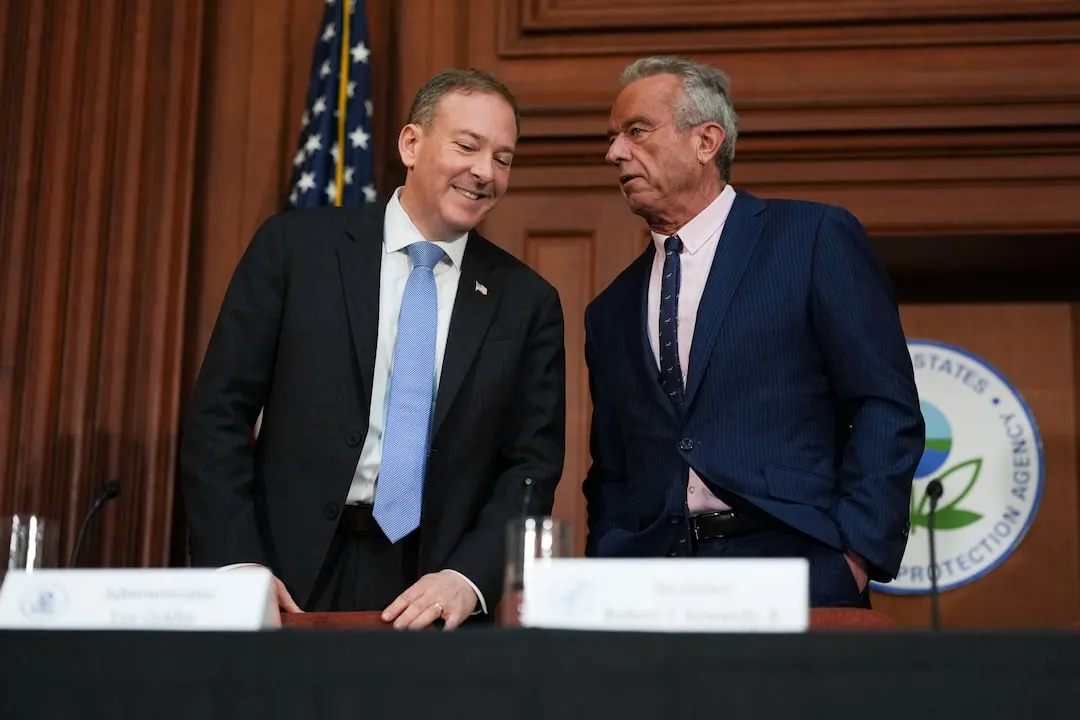
The U.S. Environmental Protection Agency and the Department of Health and Human Services have announced plans to monitor microplastics and pharmaceuticals in drinking water. This marks the first step toward assessing their health risks and shaping future policies.
The agencies will include these substances in the sixth Contaminant Candidate List under the Safe Drinking Water Act. Therefore, they will be tested and studied nationwide with federal support.
“We cannot treat what we cannot measure,” officials said during the announcement.
🧪 Microplastics and Pharmaceuticals Under Review
Microplastics are tiny plastic particles found in water, oceans, and even the human body. Meanwhile, pharmaceuticals enter water systems through human waste and improper disposal.
Scientists have raised concerns about possible health effects. Some studies suggest links to cancer and reproductive harm, although research is still ongoing.
As a result, monitoring these substances will help authorities understand their impact. Consequently, this step could lead to future regulation if risks are confirmed.
📊 Policy Step Toward Future Regulation
The Contaminant Candidate List identifies substances that are not yet regulated but may require action. Therefore, adding microplastics and pharmaceuticals signals a shift in policy focus.
In addition, the EPA plans to set health benchmarks for 374 pharmaceuticals. This will support further research and risk evaluation.
Meanwhile, officials described the move as part of a broader public health effort. It aligns with national priorities aimed at improving environmental and health outcomes.
⚖️ Pressure From States and Advocacy Groups
The decision follows a legal petition filed by seven US governors and more than 175 environmental and health organisations. They called for action due to growing concerns about contamination in drinking water.
Environmental advocates welcomed the move. They described it as an important first step toward addressing pollution. However, some industry groups emphasised the need for science-based evaluation before regulation.
Therefore, the initiative reflects both public pressure and ongoing scientific debate.
🌍 Ongoing Concerns Over Water Safety
Concerns about water safety continue to rise as new contaminants emerge. Researchers have detected microplastics in multiple environments worldwide, including drinking water.
Meanwhile, current treatment systems struggle to remove many pharmaceuticals. Therefore, monitoring will help identify their presence and concentration levels.
As a result, this effort could shape future water safety policies. However, further research will determine the next steps.

0 Comments