
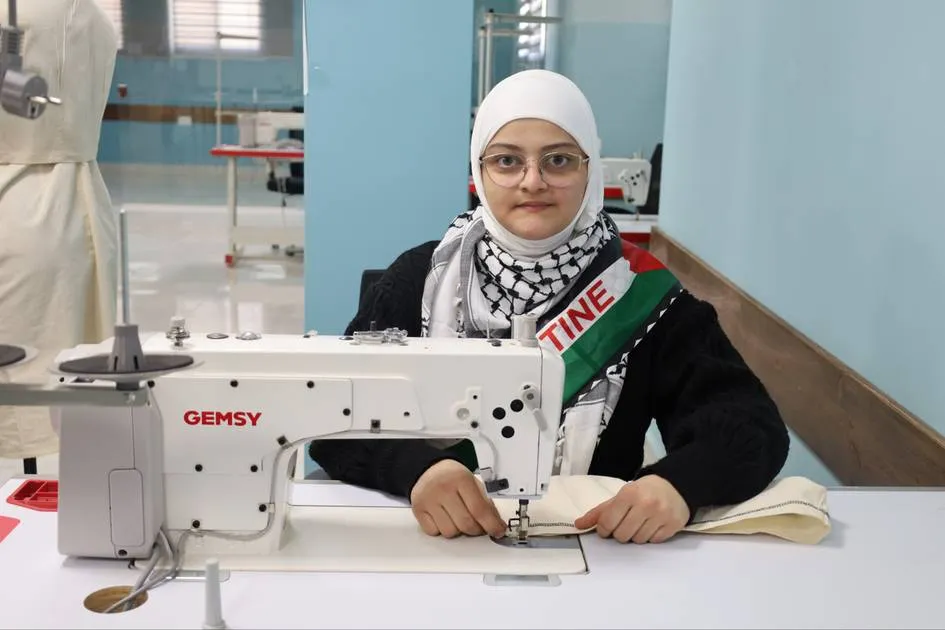
The United Nations Development Programme (UNDP) has highlighted the impact of inclusive vocational training programmes that support aspiring fashion designers. The initiative focuses on creating opportunities for young people to develop practical skills and pursue careers in the fashion industry.
One example comes from Hebron, where a student is gaining professional training through a specialised vocational programme. The programme demonstrates how accessible education can help students build careers despite social or physical challenges.
Meanwhile, international development organisations continue to promote vocational education as a key pathway to employment and economic empowerment.
🎓 Inclusive Vocational Education Opens New Opportunities
The UNDP highlighted the experience of 20-year-old Nada Bouti, who studies fashion design and tailoring at the Al-Amal Vocational Training Center for People with Hearing Impairment. The centre provides specialised training for students who require accessible learning environments.
Through the programme, Bouti receives hands-on instruction in garment creation, pattern cutting and design techniques. As a result, she can develop the practical skills necessary to pursue a professional career in fashion.
Moreover, vocational training programmes like this focus on skills-based learning, which helps students move directly into employment opportunities after completing their education.
🧵 Training Focuses on Practical Fashion Skills
The training programme places strong emphasis on practical craftsmanship and design skills. Students learn tailoring techniques, clothing construction and creative design processes.
Therefore, participants can gain real industry knowledge while studying. In addition, instructors guide students through projects that mirror professional fashion production.
This approach ensures that students not only understand design concepts but also develop the technical skills required for employment in the fashion sector.
UNDP highlighted the programme as an example of inclusive vocational education creating real opportunities for aspiring designers.
Consequently, the initiative demonstrates how accessible education programmes can support individuals who might otherwise face barriers to training.
🌍 Supporting Inclusion in the Creative Industry
Organisations such as UNDP increasingly emphasise inclusive education and workforce development. These programmes aim to ensure that young people from diverse backgrounds can participate in creative industries.
Meanwhile, vocational training centres also help students build confidence and independence while learning specialised skills.
As a result, inclusive training programmes can strengthen local creative industries while also expanding employment opportunities.
👗 Pathways Toward Careers in Fashion
Vocational education often provides a direct pathway into professional careers. Students who complete specialised training may pursue work in tailoring, fashion design, clothing production or small business development.
At the same time, initiatives like the programme in Hebron demonstrate how education can promote social inclusion and economic empowerment.
Consequently, organisations continue to support similar projects that expand access to skills training across the fashion industry.

0 Comments