
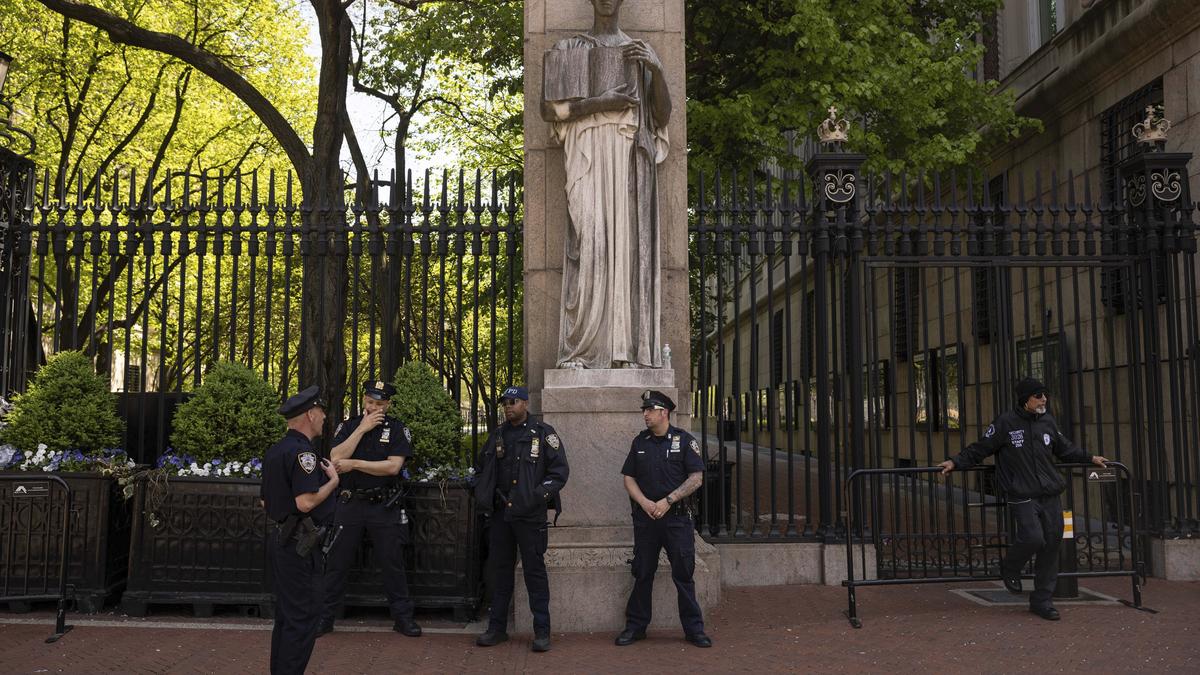
Amid growing scrutiny and political pressure, Columbia University has announced significant policy changes, including a ban on protests inside academic buildings and restrictions on the wearing of face masks on campus. These measures come after former U.S. President Donald Trump publicly criticized the university for its handling of recent protests and campus unrest, threatening federal action if the situation was not addressed.
Key Policy Changes
- Ban on Indoor Protests:
Columbia will no longer allow protests or demonstrations inside academic buildings, citing concerns over safety, disruption of academic activities, and property damage. This decision is seen as a direct response to recent student-led protests that garnered national attention. - Restrictions on Face Masks:
The university will also prohibit the wearing of face masks intended to conceal one’s identity during protests or gatherings on campus. The only exception will be for individuals wearing masks for health reasons, such as protection against illness or medical conditions.
Trump’s Influence on Policy Shift
The policy changes come after Donald Trump repeatedly criticized Columbia University, accusing it of failing to control campus unrest and allowing “lawlessness” to thrive. Trump had threatened to withhold federal funding and take further action if the university did not tighten its policies to maintain order.
In a recent statement, Trump said, “Columbia and other liberal universities have allowed chaos on their campuses. It’s time to restore law and order, and I’m glad to see they’re finally taking action.”
University’s Response
Columbia officials framed the new policies as a proactive measure to ensure the safety and security of students, faculty, and staff. “Our priority is to protect academic freedom while maintaining a safe and respectful environment for everyone on campus,” a university spokesperson said.
Criticism and Concerns
The decision has sparked mixed reactions. Free speech advocates and civil liberties groups have expressed concerns that the new policies may stifle student activism and limit freedom of expression. Critics argue that banning face masks during protests could deter marginalized students from participating in activism, citing concerns over surveillance and safety.
Looking Ahead
As Columbia implements these changes, the broader debate over free speech, campus safety, and political pressure continues to unfold. Universities across the country are closely watching how these developments may influence their own policies on campus demonstrations and student rights.

0 Comments