
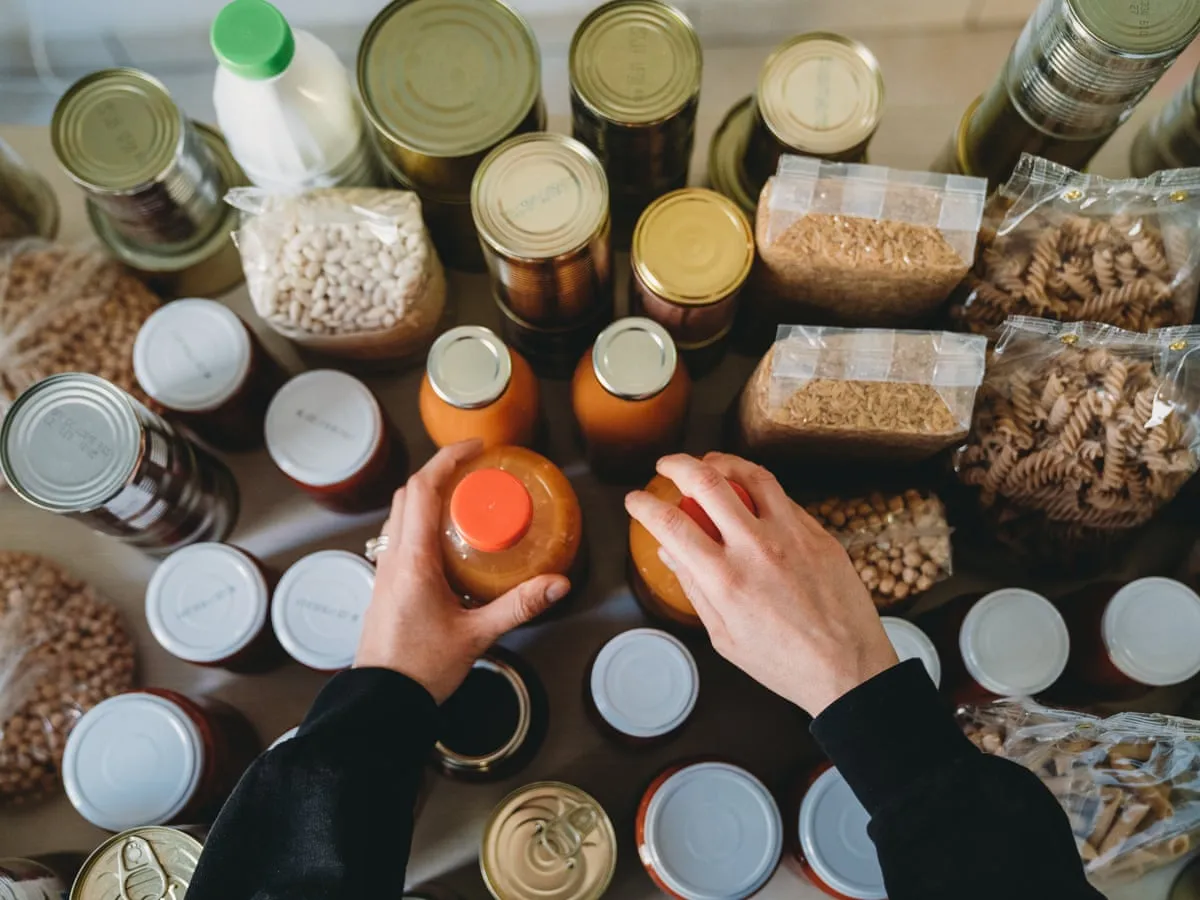
Experts have warned that the United Kingdom must create national food stockpiles to prepare for disruptions caused by climate shocks, war, or supply chain failures. The warning highlights growing concern about the country’s food security and its heavy dependence on imports.
Professor Tim Lang, a food policy expert at City St George’s, University of London, raised the issue during the National Farmers’ Union conference. He argued that the UK currently lacks a comprehensive strategy to secure food supplies during major emergencies.
Meanwhile, experts say climate change, geopolitical conflict and fragile supply chains could expose serious weaknesses in the nation’s food system.
🌍 Climate Shocks and Conflict Threaten Food Security
According to Lang, climate-driven disruptions and global conflicts increasingly threaten food supply chains. These events can interrupt imports and rapidly increase food prices. Therefore, experts warn governments must strengthen national food resilience.
Extreme weather, including droughts and floods, has already disrupted agriculture in several regions worldwide. At the same time, geopolitical tensions continue to affect international trade routes and commodity markets.
Consequently, countries that depend heavily on imported food may face serious shortages if supply chains fail.
🌾 UK Produces Only Part of Its Food Needs
Current figures show the UK produces about 54% of the food it consumes, which means the country relies heavily on imports. As a result, disruptions in international supply chains could quickly affect domestic food availability.
Lang also highlighted that Britain’s food distribution system depends on a limited number of major warehouses and supermarket supply hubs. Therefore, cyberattacks, drone attacks or logistical failures could disrupt the entire system.
In contrast, some countries maintain large emergency reserves. For example, Switzerland stores food supplies for national emergencies, which experts say improves resilience during crises.
🏛️ Calls for a National Food Security Strategy
Lang has urged the government to introduce a Food Security and Resilience Act that would require better preparation for emergencies. The proposal also calls for stronger domestic food production and decentralised supply chains.
Supporters argue that improving local production would reduce dependence on international imports. Moreover, stronger domestic agriculture could help the country respond more effectively during global disruptions.
Lang warned that the UK remains “dangerously unprepared” for a food crisis.
Therefore, experts say the government must act quickly to strengthen national food resilience.
🚜 Strengthening Domestic Production
Experts also believe the UK should increase agricultural output to improve food security. Boosting domestic production would reduce reliance on imports and stabilise food supplies during global crises.
At the same time, policymakers must balance environmental goals with food production needs. Climate change continues to affect crop yields, while extreme weather events create additional uncertainty for farmers.
Consequently, governments across Europe are exploring new strategies to strengthen food security and protect supply chains.

0 Comments