
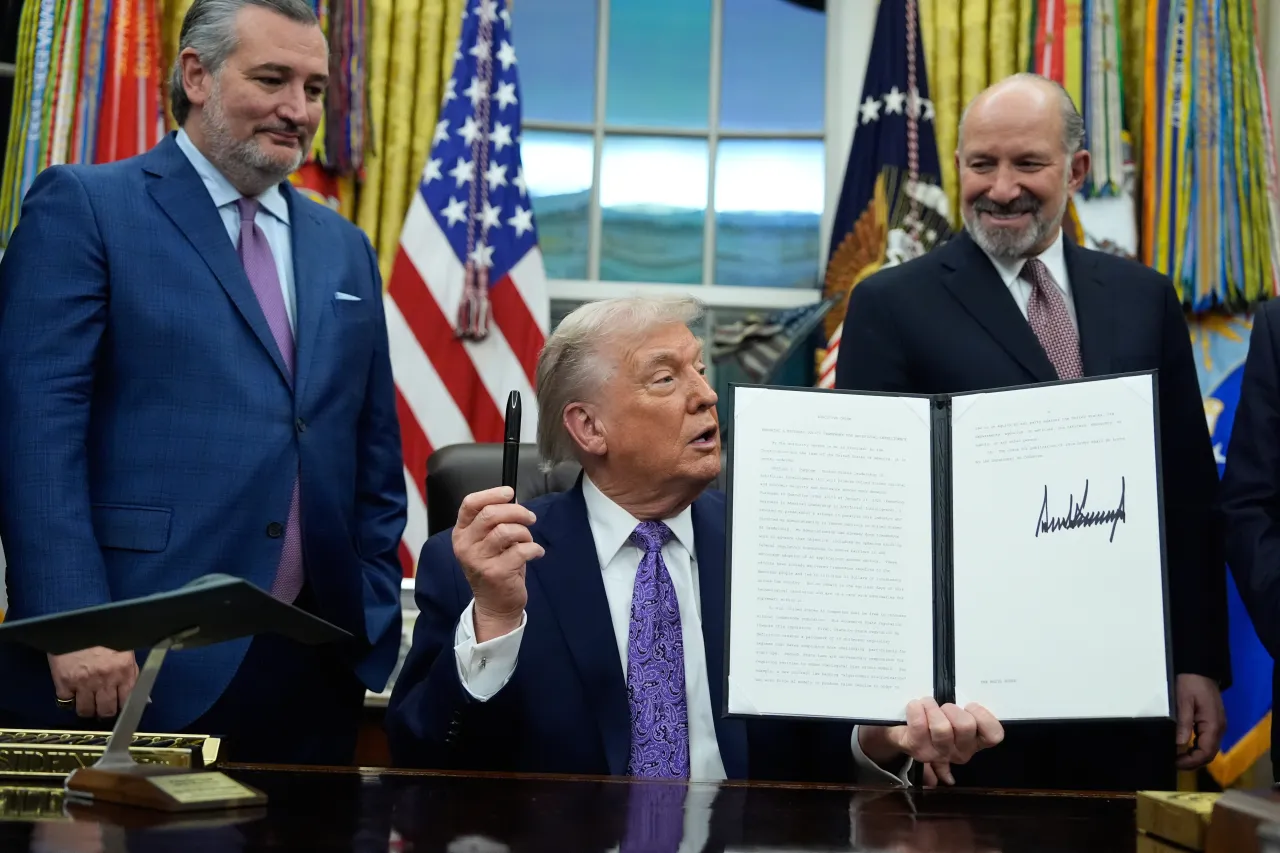
A proposed artificial intelligence executive order by Donald Trump is facing significant political and legal hurdles, according to legal experts and policy analysts. The order, which aims to shape how AI is developed and regulated, has raised questions about its authority, enforceability, and long-term impact.
Experts say the initiative could face resistance from Congress, regulators, and the courts. As a result, its practical influence may depend on how agencies interpret and implement the directive.
The Trump AI executive order has drawn attention as governments worldwide grapple with how to manage rapidly advancing AI technologies.
Scope and Limits of the Proposed Order
According to analysts, the proposed order would seek to guide federal agencies on AI development and oversight. However, executive orders cannot override existing laws or bypass congressional authority.
Legal experts noted that any attempt to impose sweeping AI rules without legislation could face court challenges. Agencies would still need to operate within established regulatory frameworks.
In addition, changes to AI governance often require coordination across multiple departments. That complexity could slow or limit implementation.
“Executive orders have limits, especially when they touch areas already governed by statute,” one legal expert said.
Political Resistance and Regulatory Questions
The proposal also faces political uncertainty. Lawmakers from both parties have expressed differing views on how AI should be regulated, making consensus difficult.
Some officials argue that Congress, not the executive branch alone, should lead AI regulation. Others warn that fragmented oversight could create uncertainty for companies developing AI technologies.
Reuters reported that industry groups and policy experts are closely watching how the order might affect innovation, investment, and global competitiveness.
Broader Context of AI Governance
The debate reflects broader tensions around AI regulation in the United States. Governments are under pressure to balance innovation with concerns over safety, data use, and national security.
Other countries have already introduced AI-specific legislation. In contrast, the U.S. has relied more on guidance and sector-based rules, leaving gaps that executive action alone may not fill.
Analysts say this context makes long-term AI policy particularly challenging.
What Happens Next
The fate of the proposed AI order remains uncertain. Legal challenges, political pushback, and agency discretion could all shape its outcome.
Experts say meaningful AI regulation is more likely to require congressional action rather than executive directives alone. Until then, companies and regulators may continue operating under existing frameworks.
The Trump AI executive order highlights the difficulties governments face in responding quickly to fast-moving technological change.

0 Comments