
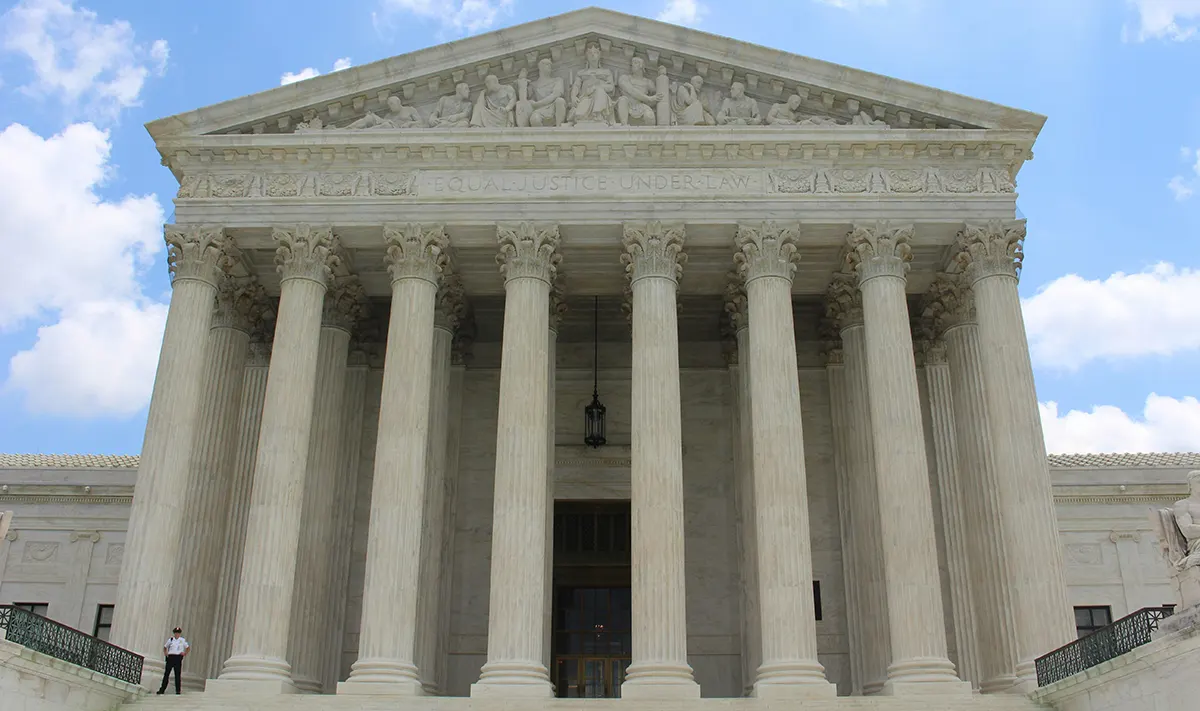
A major toymaker is now weighing legal options after the US Supreme Court struck down former President Donald Trump’s emergency tariffs. The ruling leaves unresolved how and if companies will receive refunds for tariffs they paid. As a result, importers and investors must assess their next steps.
Many companies paid billions in tariffs under Trump’s use of the International Emergency Economic Powers Act (IEEPA). However, the Supreme Court ruled that Trump lacked authority under that statute to impose those duties. Still, the court did not clearly establish how refunds should proceed, leaving the matter for lower courts to decide.
🧸 Toymaker Deals and Refund Rights
Some importers hedged their refund claims by selling them to investors ahead of the court’s decision. For example, toymaker Kids2 received US$2 million from a hedge fund in exchange for rights to a US$15 million refund claim. Now, the company and its legal team are reviewing ways to preserve the right to that refund.
Meanwhile, other firms like Basic Fun and several retailers are considering whether to pursue claims directly or sell their rights to investors. This choice could affect how quickly companies recover money and how they manage their business finances.
⚖️ Legal Complexity Ahead
Legal experts warn that refund proceedings could be complex and lengthy. Because the Supreme Court left the refund process unresolved, lower federal courts will likely hear many cases. Experts say these cases may involve novel questions about jurisdiction and proper procedures for issuing refunds.
There is also uncertainty about who qualifies for refunds. Some distributors and retailers that lack official importer status might miss out on refunds even if tariffs paid on imports are eventually returned. Consequently, industry groups are advising companies to act quickly to protect their rights.
📈 Market and Investment Impact
Investors have taken note. After the court’s ruling, markets showed signs of optimism. Some hedge funds and speculative markets that trade in claim rights are seeing increased activity. However, analysts caution that investor outcomes will depend on how quickly and smoothly refund litigation unfolds.
Meanwhile, some companies that secured refund claim investments may find strategic benefits. For instance, selling refund claims could free up capital. In turn, companies might use that capital to invest in operations or reduce prices for consumers.
⚖️ Broader Legal and Policy Context
The Supreme Court decision forms part of a larger legal challenge to Trump’s trade policies. Groups of businesses and smaller firms had brought lawsuits challenging the tariffs under the IEEPA. The Supreme Court’s ruling sets a major precedent on executive authority over trade law.
Despite the setback, Trump has said he will pursue other tax and tariff measures using alternative legal authorities. As a result, importers are preparing for more legal and regulatory shifts. They may face new tariffs imposed under different statutes while navigating the unresolved refund process from the Supreme Court decision.
🔎 What Happens Next
For now, lower courts will likely hear a wave of tariff refund claims while companies decide whether to hold claims or sell them. At the same time, importers must track evolving policy changes and legal options. As the refund battle unfolds, the outcome could shape global trade law and impact many businesses that paid tariffs over the past year.

0 Comments