
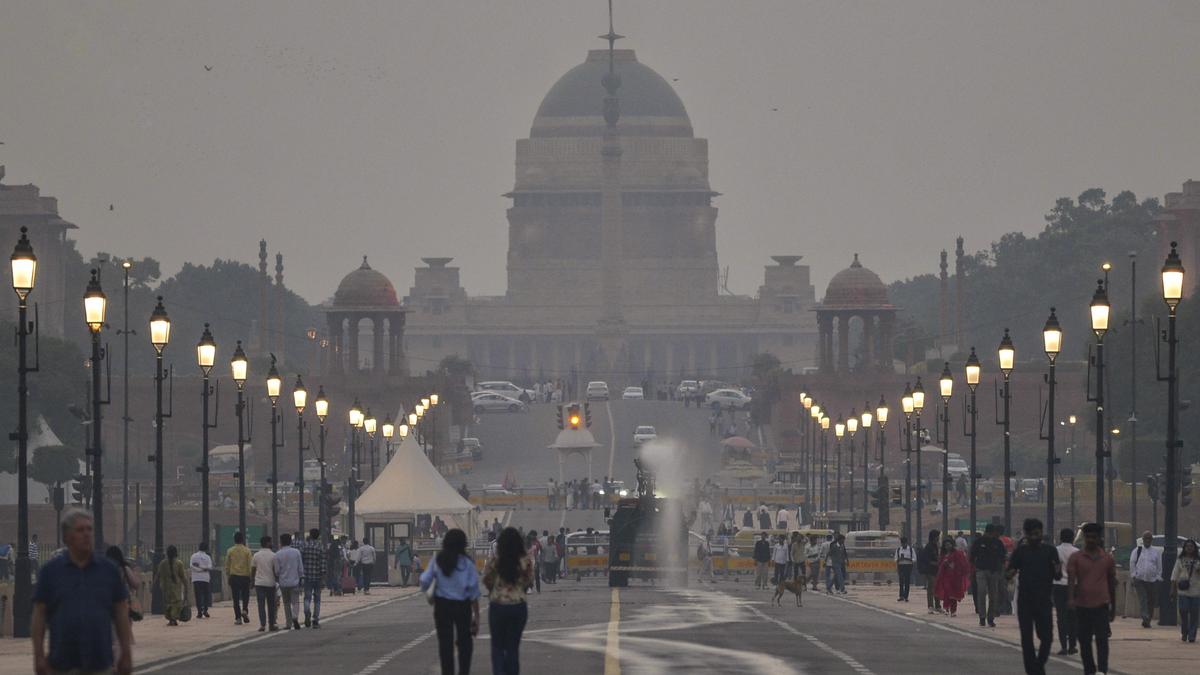
NEW DELHI, October 21, 2025 — The morning after Deepavali celebrations, Delhi recorded hazardous levels of air pollution, with overall air quality reaching about 15 times higher than the World Health Organisation (WHO) limit, according to official data.
Despite an existing ban on conventional firecrackers — allowing only “green” firecrackers between 8 p.m. and 10 p.m. — residents across the city were seen bursting fireworks well past the permitted hours, defying regulations.
The violation of the firecracker ban, coupled with stagnant weather conditions and seasonal stubble burning in neighbouring states, contributed to a sharp overnight spike in particulate matter. Monitoring stations across the National Capital Region (NCR) recorded severe AQI levels, with several areas enveloped in dense post-festive smog.
The Delhi Pollution Control Committee (DPCC) and the Central Pollution Control Board (CPCB) noted that the Air Quality Index (AQI) had entered the “severe” category, posing health risks to residents, especially the elderly, children, and those with respiratory conditions.
Photographs from Kartavya Path in New Delhi showed people celebrating amid illuminated skies on Deepavali night. However, by the next morning, visibility had dropped significantly as the city struggled with the familiar aftermath of festive pollution.
Environmental experts have once again urged citizens to follow restrictions and adopt cleaner celebration practices. “The pattern repeats every year — enforcement remains weak, and awareness is not translating into responsible behaviour,” one expert said.
Authorities are now reviewing post-Deepavali air quality data and expected to announce stricter monitoring and enforcement measures in the days ahead.

0 Comments