
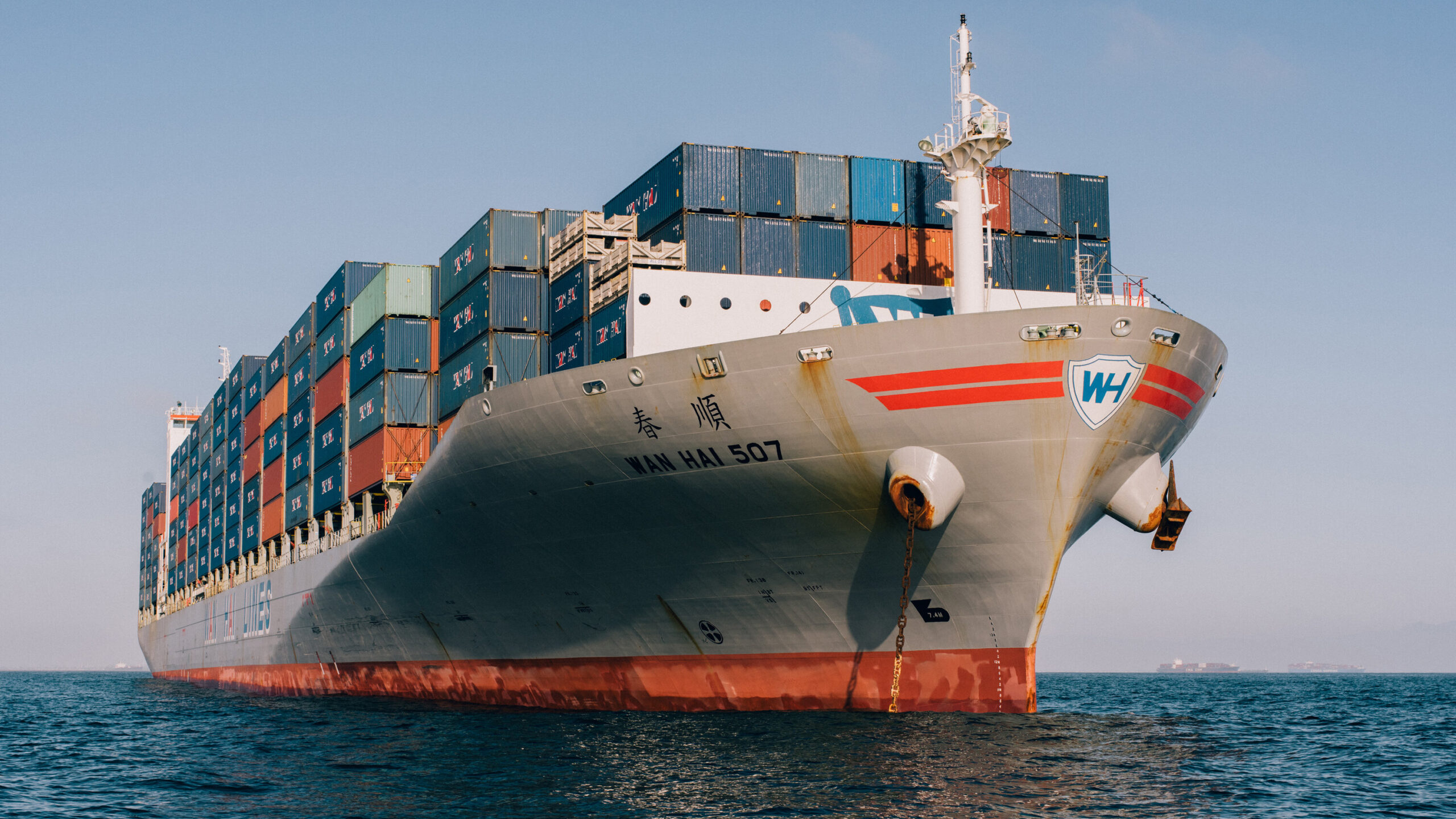
At the turn of the 21st century, when Congress voted to normalize trade relations with China, few predicted the scale of disruption that would follow. U.S. manufacturers, already accustomed to a globalized market, anticipated a rise in Chinese imports—but what they got was a flood. Between 1999 and 2005, imports from China nearly tripled, overwhelming domestic industries that couldn’t match China’s low-cost production.
The result was a seismic economic event now known as the “China Shock.” Its impact was swift and painful: millions of American jobs—especially in the manufacturing heartland—were lost. Entire communities, from Michigan to Mississippi, saw their economic foundations crumble as factories shuttered and skilled labor became displaced.
For former President Donald Trump, the China Shock became a central talking point in his critique of U.S. trade policy. To him and his supporters, the job losses were evidence of Washington’s failed globalism. His solution: an aggressive tariff regime designed to punish China and protect American workers.
On Wednesday, Trump doubled down by increasing tariffs on Chinese imports to levels exceeding 100%, even while suspending similar tariffs against other countries. His message remains clear: China is to blame, and tariffs are the remedy.
But many economists argue that Trump’s response misses the broader lesson of the China Shock. The trade disruption wasn’t just about unfair competition; it was also about America’s failure to adapt. Unlike some European countries that invested heavily in worker retraining and industrial modernization, the U.S. offered little structural support to affected workers and communities.
The real issue was not just trade liberalization, but how unprepared the U.S. was to absorb its consequences. Instead of addressing root problems—like inadequate social safety nets, insufficient job retraining programs, and lack of investment in innovation—Trump’s tariff-centric strategy targets the symptom rather than the disease.
Moreover, while tariffs may provide short-term protection for certain industries, they can also lead to higher prices for consumers, strained international relations, and retaliatory trade actions that further disrupt the global supply chain.
The China shock trade policy conversation must evolve. Protectionism alone isn’t a long-term strategy. What’s needed is a proactive approach that includes investing in infrastructure, supporting small manufacturers, strengthening education, and fostering technological advancement.
Trump’s policies may resonate politically, especially in regions still recovering from trade-related job losses. But without a broader economic vision, the U.S. risks repeating the same mistakes—this time with even more at stake in an increasingly interconnected world.

0 Comments