
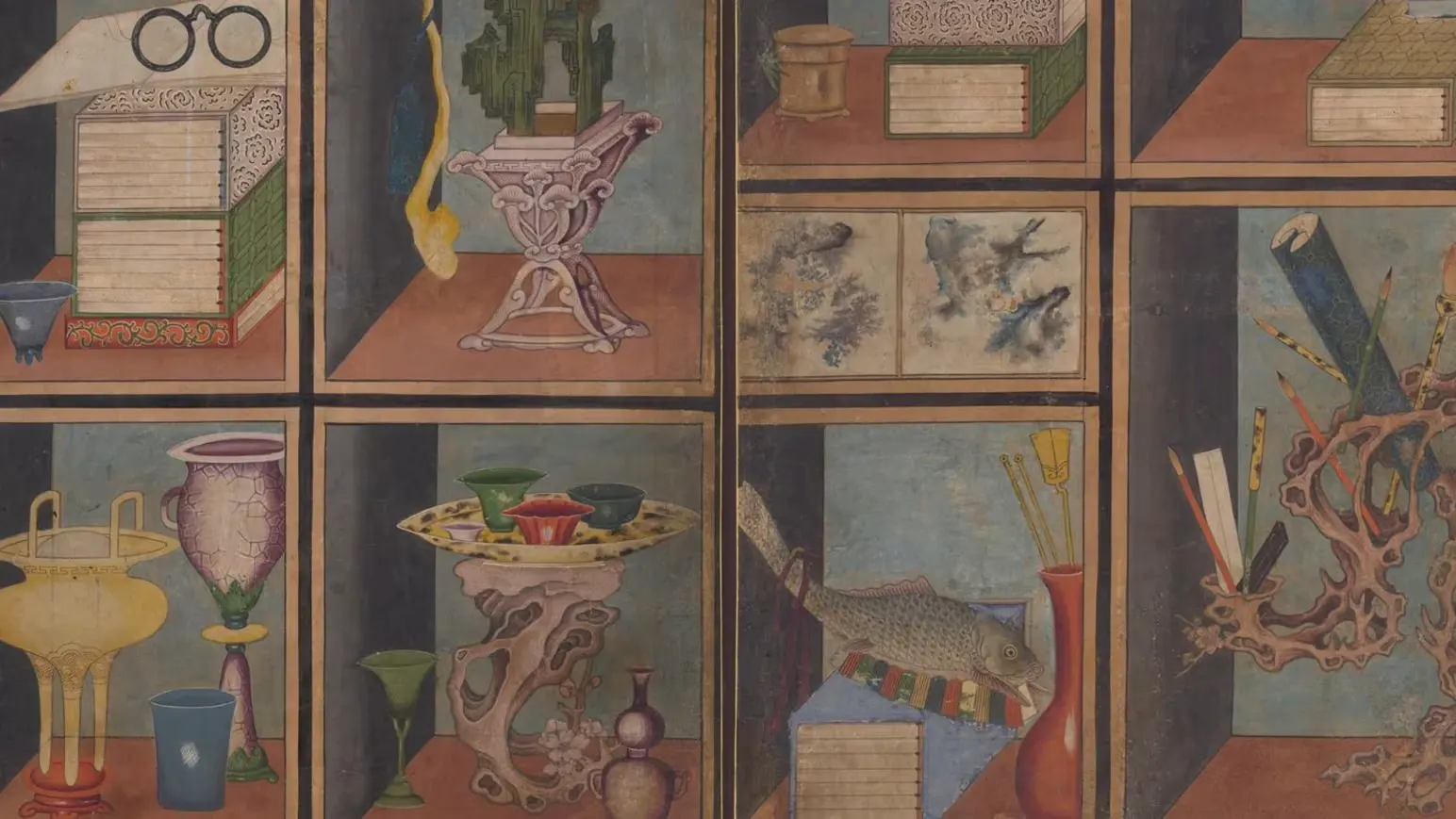
South Korea is putting a global spotlight on the late Samsung chairman Lee Kun-hee’s vast art collection. The country is now using this cultural treasure as a new soft-power tool. After Lee’s death, his family donated over 23,000 artworks to the nation in 2021. A major selection of these pieces is now on display at the Smithsonian’s National Museum of Asian Art in Washington, DC.
A Collection With Deep Roots
More than 200 items from the donation appear in the exhibition “Korean Treasures: Collected, Cherished, Shared.” The artworks cover 1,500 years of Korean history. Visitors can see Buddhist sculptures, sacred texts, antique furniture, and paintings by major 20th-century artists. These works help explain how Korean identity formed and evolved through different eras.
The collection began with Samsung founder Lee Byung-chul. He wanted to protect Korean culture and recover pieces that had left the country. His son, Lee Kun-hee, expanded the collection with modern art. Together, their efforts created one of the most significant private art collections in Asia.
Sharing Korea’s History With the World
The Smithsonian partnered with the National Museum of Korea and the National Museum of Modern and Contemporary Art to curate the show. After the 2021 donation, South Korea also announced plans for a new museum in Seoul. The government hopes the collection will strengthen the country’s image as a global cultural leader.
Inside the Washington exhibition, visitors can explore sections devoted to the Joseon dynasty, which ruled from 1392 to 1910. Curators display royal court art, ceremonial objects, and works that reflect the values of the scholarly elite. The show also highlights the role of Buddhism in shaping Korea’s culture.
Chase F. Robinson, director of the National Museum of Asian Art, said the exhibition offers a chance to see Korea’s deeper artistic roots. He noted that global interest in Korean culture often focuses on K-pop and K-beauty. This show, however, presents centuries of creativity that shaped modern Korea.
Art, Identity, and Change
Many modern pieces in the exhibition come from periods of intense transformation. Korea faced Japanese colonization, national division, rapid modernization, and political unrest during the 20th century. Artists responded to these changes in different ways.
Some worked in the Dansaekhwa style, a monochrome, abstract movement. Others joined the Minjung movement, which supported democracy and social justice. Curators say the Lee family collected many of these works long before they gained broad recognition. Their early interest helped preserve a vital chapter of Korean art history.
A Cultural Legacy Continues
Most of the displayed works are being shown outside Korea for the first time. The Smithsonian exhibition will run through February 1, 2026. Some pieces will also travel to Chicago and London next year. Although the Lee family keeps part of its private collection, this donation has opened a new window into Korea’s cultural story.

0 Comments