
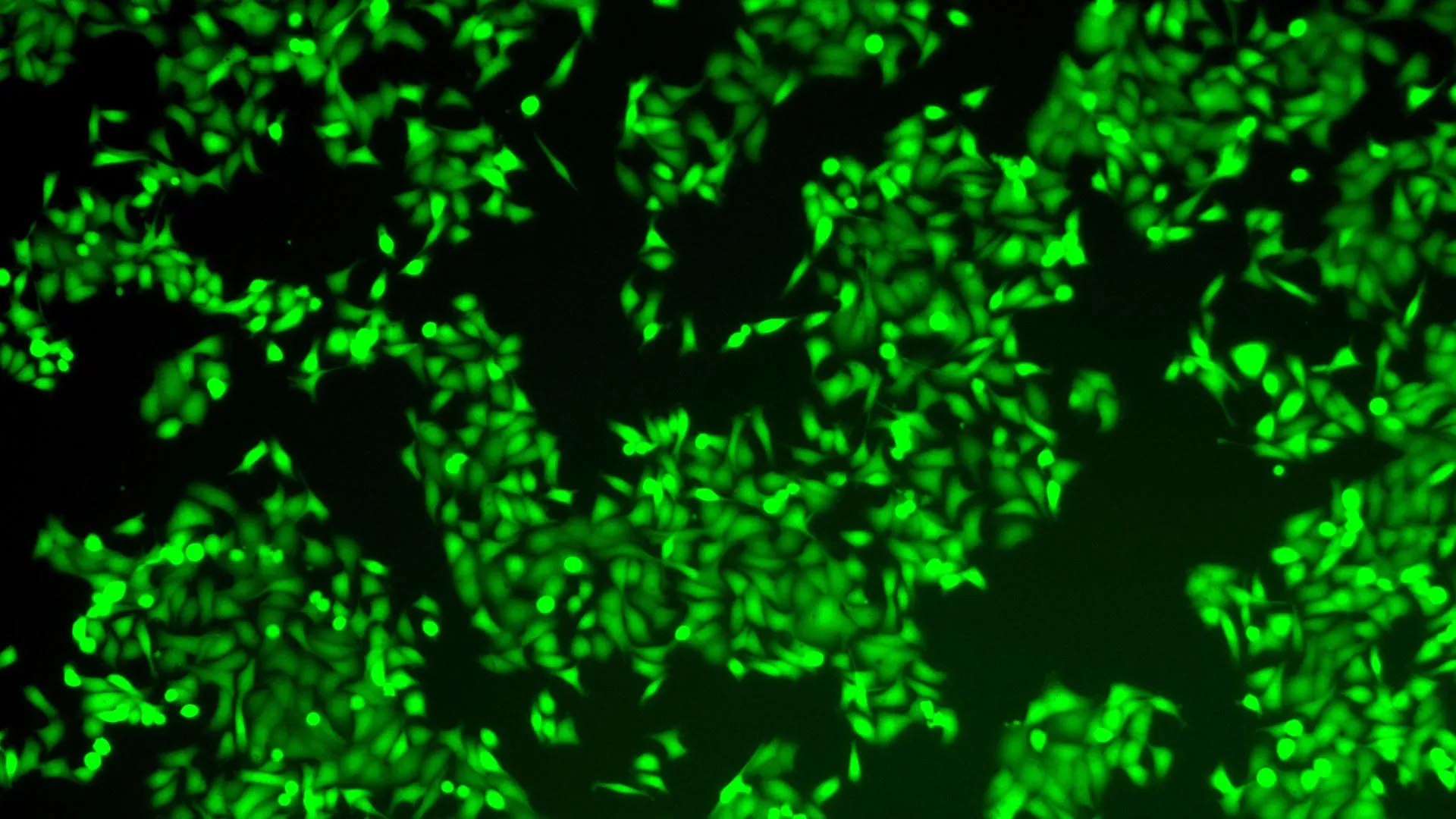
Researchers have discovered a hidden three-part molecular loop that fuels growth in the deadliest type of pancreatic cancer. Pancreatic ductal adenocarcinoma (PDAC) resists many treatments and often continues to grow despite therapy. Scientists from Cold Spring Harbor Laboratory found that this loop keeps cancer cells alive and aggressive.
The loop involves three cancer-promoting proteins: SRSF1, AURKA, and MYC. Each protein influences the others in a cycle that boosts tumor survival. As a result, the cancer thrives even when standard treatments target just one molecule.
⚙️ How the Self-Reinforcing Loop Works
The loop starts when SRSF1 alters how genetic instructions for AURKA are processed. This change raises AURKA levels. Then AURKA helps stabilise MYC, another key oncogene. MYC increases production of SRSF1 again. Thus, the system renews itself and drives continuous tumour growth.
Researchers say this loop behaves like a “self-reinforcing circuit” inside cancer cells. Because it keeps these proteins active, it helps tumours resist therapies focused on single mutation targets such as KRAS.
🧪 Disrupting the Loop with Targeted Therapy
To break this loop, scientists created a specially designed molecule called an antisense oligonucleotide (ASO) that interferes with how AURKA is spliced. This approach did more than block AURKA alone. Instead, it caused all three key proteins to collapse.
When tumour cells were treated with the ASO in lab settings, they lost viability and underwent programmed cell death. This result surprised researchers because it shut down multiple cancer drivers at once.
Lead investigator Alexander Kral said that targeting AURKA splicing effectively “kills three birds with one stone.” By collapsing the loop, the molecule stopped the process that fuels tumour growth.
🧠 Implications for Pancreatic Cancer Treatment
Pancreatic cancer remains one of the toughest cancers to treat. Many tumours evolve resistance to therapies that target the most common mutation, KRAS. Because of this, researchers stress the need for new approaches that hit multiple pathways at once.
Although the ASO therapy is still in early stages, the findings suggest a new strategy. Rather than targeting each oncogene separately, scientists may be able to shut down entire cancer circuits. This could lead to more effective treatments in the long term.
🔍 Future Research and Challenges
Scientists emphasise that this work is foundational. Any potential patient treatment remains far in the future. Still, this research opens doors to fresh ideas against a form of cancer with very low survival rates.
The team continues to refine the ASO and plans further studies. Because pancreatic cancer often resists conventional therapy, new tools like loop-collapsing molecules may offer hope for better outcomes.

0 Comments