
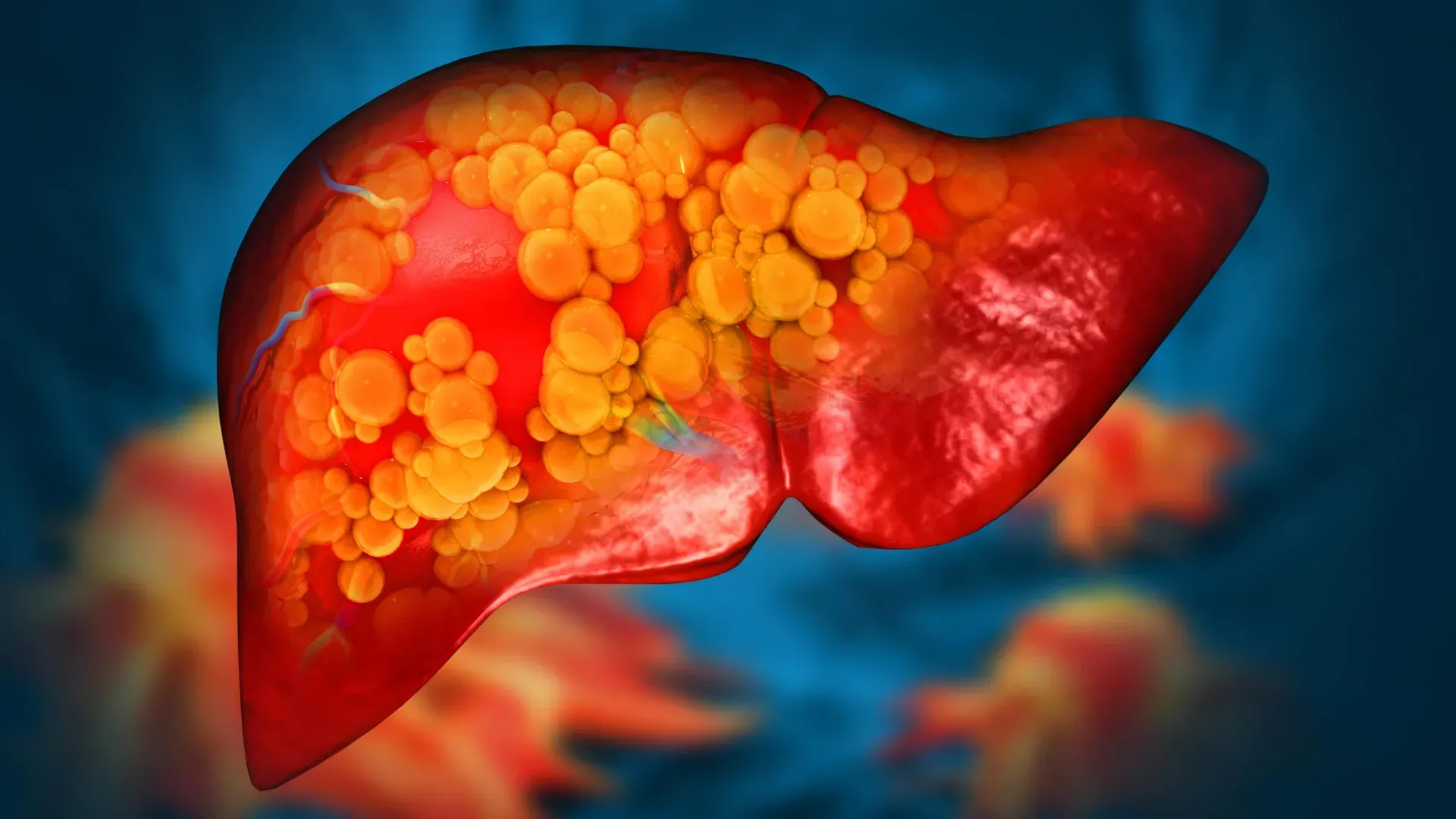
Scientists at Mayo Clinic’s Center for Individualized Medicine have identified a rare genetic mutation that can directly cause fatty liver disease. The discovery reveals that a single inherited gene change may trigger the condition in certain patients.
Researchers found the mutation in the MET gene, which plays an important role in liver repair and fat metabolism. When this gene functions incorrectly, fat begins to accumulate in liver cells. Consequently, the buildup can trigger inflammation and long-term liver damage.
The findings provide new insight into how genetic factors can influence the development of liver disease.
🧬 Genetic Mutation Disrupts Liver Fat Processing
The MET gene helps regulate how the liver processes fat and repairs damaged tissue. However, the discovered mutation interrupts this process. As a result, fat gradually builds up inside liver cells instead of being properly processed.
Over time, this accumulation can cause metabolic dysfunction-associated steatotic liver disease (MASLD), previously known as nonalcoholic fatty liver disease. The condition may lead to inflammation, fibrosis and scarring of the liver. In advanced stages, the disease can progress to cirrhosis or liver cancer.
Therefore, understanding the genetic mechanism may help researchers develop targeted treatments.
👨👧 Family Case Led to Discovery
The breakthrough began when doctors studied a father and daughter who both developed the disease without common risk factors such as diabetes or high cholesterol. Because typical explanations did not apply, scientists conducted a detailed genetic analysis.
During the investigation, researchers examined more than 20,000 genes. Eventually, they discovered a small but significant change in the MET gene that explained the disease in the family.
This mutation had not previously appeared in scientific literature or public genetic databases, which highlighted its rarity.
Researchers say the finding shows how rare inherited mutations can drive common diseases.
Consequently, the discovery demonstrates the importance of genetic research in understanding complex medical conditions.
📊 Large Genomic Study Finds Similar Variants
To determine whether the mutation might appear in other patients, scientists analyzed genomic data from the Tapestry study, a large research project involving more than 100,000 participants across the United States.
Among nearly 4,000 participants with fatty liver disease, about 1% carried rare variants of the same MET gene. Moreover, nearly 18% of those variants occurred in the same critical gene region identified in the original family.
These results suggest that rare genetic mutations may contribute to fatty liver disease in more people than previously recognized.
🔬 Precision Medicine May Improve Diagnosis and Treatment
Researchers say the discovery highlights the growing role of precision medicine and genomic testing in diagnosing complex diseases. Genetic technologies now allow doctors to identify hidden causes of illnesses that once remained unexplained.
Meanwhile, scientists plan further studies to determine how the MET mutation affects liver biology and how targeted therapies could treat the condition.
Consequently, the findings could help improve early diagnosis and lead to new treatments for fatty liver disease in the future.

0 Comments