
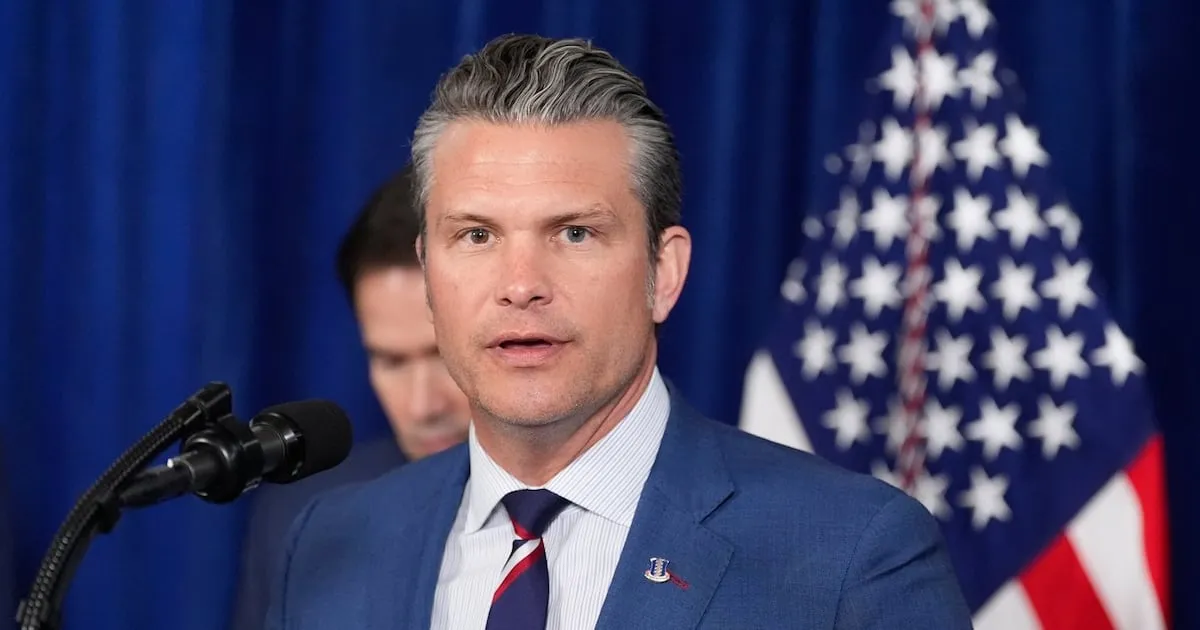
U.S. Defense Secretary Pete Hegseth announced that the Pentagon will stop sending military officers to Ivy League universities beginning in the 2026–27 academic year. The decision marks a significant shift in how the U.S. military approaches advanced education and leadership training.
Hegseth said the Defense Department will no longer fund attendance at elite Ivy League institutions. Instead, officials plan to redirect resources toward alternative academic partnerships and in-house professional development programs.
As a result, officers seeking graduate-level education through Pentagon sponsorship will need to pursue other approved institutions.
🏛️ Shift in Military Education Policy
For decades, the Pentagon allowed selected officers to attend prestigious universities, including Ivy League schools, for advanced degrees. These programs formed part of broader career development pathways. Officers often used them to prepare for senior leadership roles.
However, Hegseth argued that the department must reassess where it invests taxpayer funding. He indicated that the new approach reflects broader policy priorities within the Defense Department.
Therefore, beginning in 2026, the Pentagon will withdraw from arrangements that support attendance at Ivy League institutions. The move does not prohibit officers from attending independently. Instead, it ends official sponsorship.
💼 Impact on Career Advancement
Military education programs often play a critical role in promotion eligibility. Advanced degrees can strengthen leadership credentials and policy expertise. Consequently, this change could alter how officers plan their career progression.
Officials have not announced specific replacement institutions. However, the department said it will continue to support officer education through other accredited universities and military institutions.
At the same time, internal war colleges and defense universities remain central to officer training. These institutions already provide strategic and operational education tailored to military leadership.
📊 Broader Education Debate
The announcement also enters a wider national discussion about higher education funding and institutional partnerships. Some policymakers have questioned whether federal agencies should prioritise certain universities over others.
Meanwhile, critics argue that elite academic institutions offer valuable research networks and intellectual diversity. Supporters of the policy, however, say the Pentagon should focus on programs aligned closely with defense objectives.
Hegseth framed the decision as part of a broader review of how the department allocates resources. He emphasised that education remains important but suggested that institutional choices matter.
📈 What Comes Next
The new policy will take effect in the 2026–27 academic cycle. Officers currently enrolled through Pentagon sponsorship will not see immediate disruption. Future applicants, however, will need to apply under the revised framework.
Defense officials plan to provide additional guidance in the coming months. They aim to clarify approved institutions and alternative pathways.
For now, the decision represents a structural adjustment rather than a reduction in educational access. The Pentagon maintains that professional development remains essential to military readiness.
Nevertheless, ending Ivy League attendance marks a notable shift in how the U.S. military integrates higher education into career development.

0 Comments