
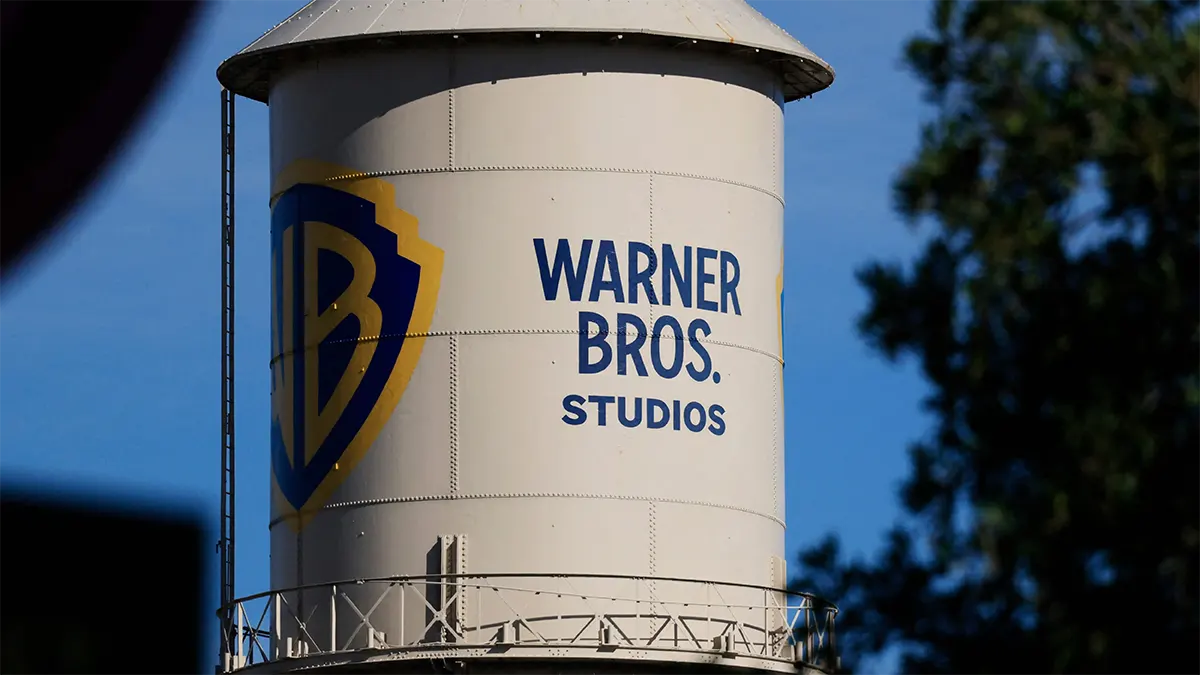
Warner Bros Discovery has agreed to be acquired by Paramount Skydance in a $110 billion deal. The agreement was signed after Netflix declined to match Paramount’s offer of $31 per share. As a result, Paramount emerged as the winning bidder in a months-long contest for one of Hollywood’s largest studios and media libraries.
Paramount’s acquisition overtook Netflix’s earlier bid valued at about $82.7 billion in enterprise value. Netflix chose not to increase its offer, leading Warner Bros Discovery’s board to deem Paramount’s proposal superior. Consequently, Paramount will acquire the full company rather than just its streaming and studio assets alone.
🪙 Deal Terms and Strategic Rationale
The merger includes roughly $29 billion in assumed debt alongside the $110 billion valuation. Paramount’s bid also raised its termination fee to $7 billion in case regulatory approval fails. Meanwhile, Netflix was entitled to a $2.8 billion breakup fee, which Paramount agreed to cover when Netflix exited the negotiation.
Paramount has signalled that the deal could significantly strengthen its content offerings. It will gain access to major intellectual properties such as the Game of Thrones, Harry Potter, and Mission: Impossible franchises. Furthermore, the acquisition could integrate HBO Max with Paramount’s existing streaming services, potentially enhancing market competition.
📉 Netflix Exits Bidding War
Netflix’s withdrawal marked a significant shift in the proceedings. After months of pursuing Warner Bros Discovery assets, the streaming giant opted not to increase its $27.75-per-share bid to match Paramount’s higher proposal. Consequently, Netflix stepped back from acquiring the company, leaving Paramount to move forward.
Investors reacted strongly to Netflix’s decision. The company’s stock rose in after-hours trading following the announcement. Meanwhile, Paramount’s shares also climbed as the market welcomed the end of the competitive bidding war.
🏛️ Regulatory Scrutiny and Future Challenges
Although the acquisition agreement is in place, it still faces regulatory hurdles. U.S. antitrust authorities and several state officials have signaled that they will review the deal carefully. In particular, California’s Attorney General has vowed a vigorous review, citing concerns over potential job losses and reduced competition in the entertainment sector.
Industry groups such as the Writers Guild of America have also raised concerns about consolidation. They argue that merging major studios and platforms could limit creative freedom and reduce consumer choice. Additionally, cinema operators worry that such a large media combine might cut theatrical releases or prioritise streaming over films.
Paramount has acknowledged these regulatory challenges but remains optimistic that antitrust approvals in the U.S. and abroad are achievable. Moreover, the company hopes to maintain both Warner Bros and Paramount as active, distinct production entities after the acquisition concludes.
📊 Industry Implications
The proposed merger represents one of the largest consolidations in media history. For Paramount, acquiring Warner Bros Discovery means securing a valuable content library and broadening its reach across film, television, and streaming platforms. It could also deepen competition with other media giants that have pursued aggressive acquisition strategies.
However, analysts caution that integrating two major studios may pose operational challenges. Paramount must balance capital investments, debt obligations, and organisational restructuring while still delivering value to shareholders and consumers.
📅 Next Steps Toward Closure
The deal is expected to close between September and December 2026, subject to shareholder and regulatory approvals. Meanwhile, both companies will continue preparation for the integration process and compliance with antitrust requirements.
This acquisition highlights a major shift in the strategic direction of media companies. It underscores the growing importance of content ownership and diversified delivery platforms in an increasingly competitive industry.

0 Comments