
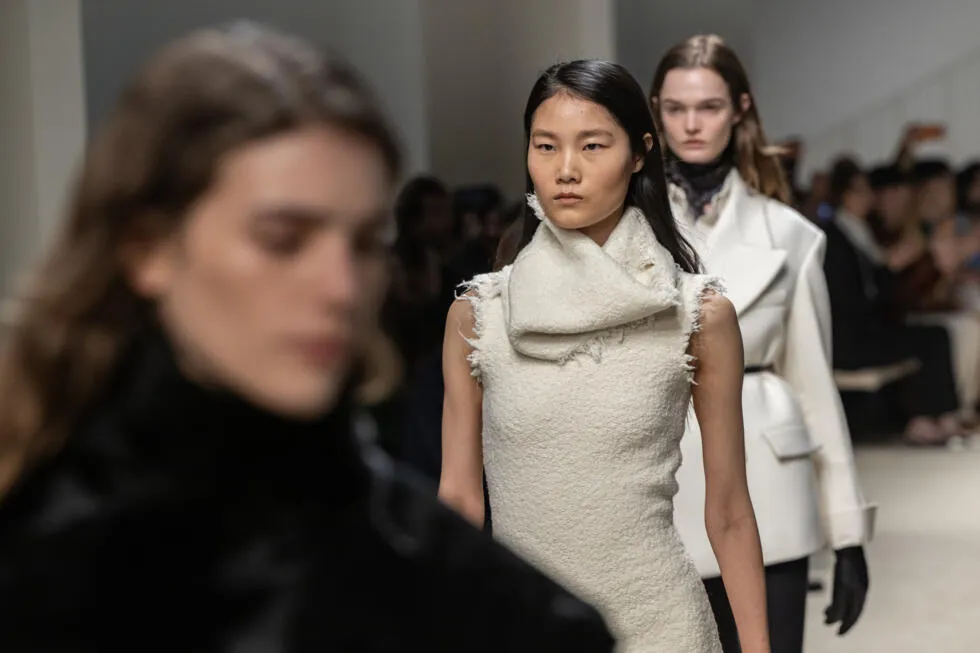
Milan Fashion Week kicked off with glossy shows and craftsmanship displays, yet it drew criticism for overlooking recent investigations into labour conditions at subcontractors for major luxury brands. Fashion events this year focused on aesthetics and heritage rather than the industry’s workforce concerns, prompting voices from designers, commentators, and visitors alike to question the silence.
At Tod’s show, artisans in white coats worked leather and needlework before guests arrived. However, few people spoke about the sweatshop allegations facing subcontractor factories tied to well-known Italian fashion houses.
👗 Labour Probe Looms Over Brand Reputations
Investigations by prosecutors in Milan uncovered troubling conditions among subcontractors linked to luxury names, including some major brands. Allegations include excessive working hours, inadequate pay, and unsafe conditions in small workshops. Nevertheless, the issues received little public attention during the fashion week’s shows and runway events.
After Tod’s presentation, founder and chairman Diego Della Valle told reporters the brand highlighted its artisanal heritage independently of any legal matters. He said the company is working with courts and industry groups toward improvement. Moreover, Tod’s has submitted a list of internal measures to strengthen oversight of its supply chain, including better tracking systems and more audits.
🧵 Supply Chain Transparency Under Scrutiny
Many international guests attending Milan Fashion Week appeared unaware of the labour abuse accusations facing some luxury brands. These brands have long marketed their products as symbols of “Made in Italy” quality. However, critics say that supply chains may not always reflect the values of craftsmanship and ethical work the label implies.
Luxury department store executive Rickie De Sole suggested that consumers care about product integrity, but that the issue may not always affect buying choices directly. She said that while brand reputation matters, many customers remain focused on quality and design above all.
Meanwhile, veteran fashion journalist Suzy Menkes said she had not followed all the labour probes closely but believes that people do care when specific abuses come to light. She noted that ethical concerns in fashion are similar to other consumer sectors where transparency and responsibility are increasingly expected.
📸 Consumer Awareness and Attitudes
Some fashion observers say that consumers have become desensitised to reports of poor working conditions. A Hong Kong content creator attending the shows said many feel powerless to effect change, though she believes collective consumer action might pressure brands eventually. In her view, only when spending habits shift will companies face greater accountability.
Industry insiders also pointed out that supply chain oversight becomes harder as fashion houses grow. Smaller makers often know workers personally, but larger companies depend on layers of subcontractors. This complexity, they say, makes it challenging to monitor conditions consistently.
🧠 Broader Industry Debate
The contrast between glamorous fashion weeks and the less visible realities of labour practices reflects wider tensions in the fashion world. Organisers and designers promote creativity, heritage, and brand prestige, while activists call for deeper focus on workers’ rights and ethical practices.
Some insiders believe that fashion clients still prioritise brand image and product allure over systemic concerns. A fashion marketing student in Milan said many buyers still choose labels that enhance their social visibility and status, even if underlying issues exist.
🧭 What Comes Next for Fashion Accountability
As Milan Fashion Week progresses, calls for transparency and ethical reform are likely to grow louder. Advocates urge brands to address labour conditions publicly rather than avoid them. They contend that sustainable fashion must include fair working environments, not just runway spectacle.
Industry critics warn that ignoring these issues could harm long-term trust between brands and their audiences. Meanwhile, conversations sparked during the week may encourage stakeholders to push for improved oversight and responsible supply chain practices in future seasons.

0 Comments