
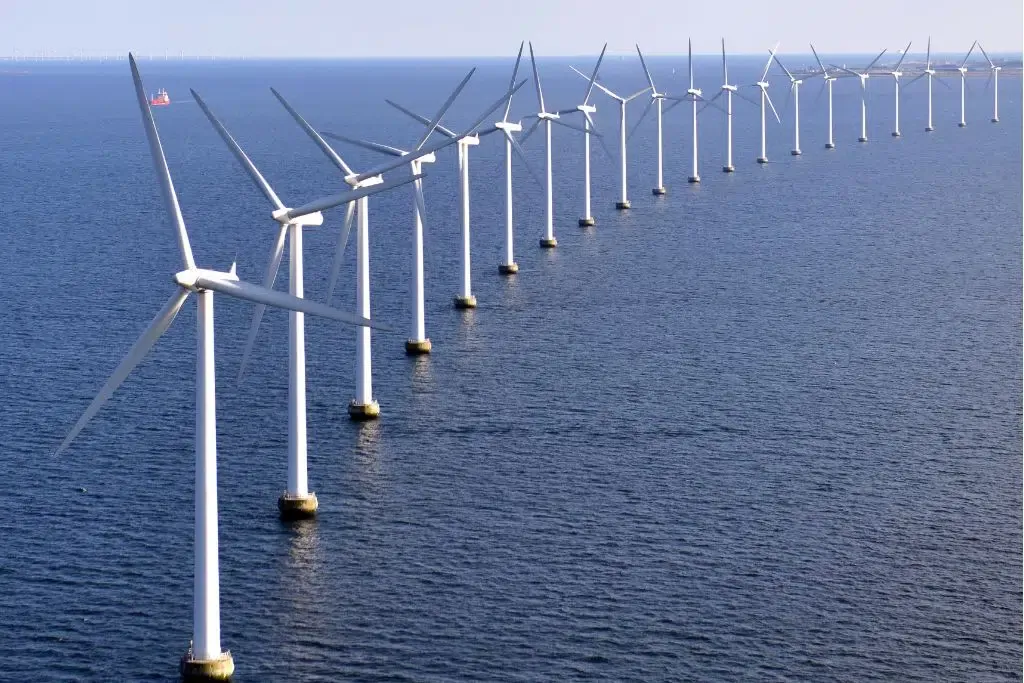
A federal judge in Massachusetts has ruled that construction of the Vineyard Wind offshore wind project can continue, delivering another legal setback to efforts that aimed to halt work on major clean energy developments. The judge’s decision came after developers challenged an order that had paused progress on the nearly completed project.
The project had faced a freeze on construction after authority figures raised national security concerns late last year. However, the Massachusetts court found that the developers are likely to succeed in their legal challenge. Therefore, it allowed the project to move forward while litigation continues.
The judge emphasised that delaying construction could lead to significant economic losses for workers and local businesses connected to the project.
Supporters of the ruling said it provides certainty for workers and communities that depend on the project’s completion. Meanwhile, they noted its importance for renewable energy targets in the region.
⚖️ Legal Context: Offshore Wind Freeze Challenges
The decision marks yet another ruling in a series of court decisions that have undermined the attempt to halt offshore wind projects. In recent weeks, several judges have granted injunctions allowing multiple projects to resume construction after they were paused.
Vineyard Wind is among five major offshore wind developments on the U.S. East Coast that had been paused by a federal order. The state court’s ruling means that four of those projects have now secured legal relief and resumed progress.
Court rulings have repeatedly found that halting work could cause irreparable harm to developers and lead to economic disruption. Moreover, judges have questioned whether national security claims were sufficient to justify such pauses. Therefore, developers continue to press their lawsuits while construction moves ahead.
🌎 Vineyard Wind’s Role in Clean Energy Expansion
The Vineyard Wind project sits off the coast of Massachusetts. Once fully complete, it is expected to generate significant renewable energy for the region. The wind farm has already begun sending power to the grid, even as construction paused.
Renewable energy advocates argue that offshore wind plays a key role in reducing emissions and meeting climate goals. Moreover, they say such projects create jobs in construction, engineering, and maintenance. Because of this, the court’s decision has drawn praise from clean energy supporters.
📈 Broader Implications for Climate and Jobs
Judicial rulings that allow offshore wind work to continue are part of a broader trend in which courts have intervened when clean energy projects face regulatory challenges. These decisions have implications for both climate policy and local economies.
For example, renewable projects often involve complex supply chains that support manufacturing and skilled labour. Therefore, delays can affect businesses beyond the immediate construction site. Because of this, stakeholders emphasise the economic as well as environmental importance of uninterrupted development.
At the same time, critics of the wind freeze say the initial pause created uncertainty that risked slowing progress on clean energy goals. However, recent court decisions have increasingly favoured allowing development to proceed as lawsuits unfold.

0 Comments