
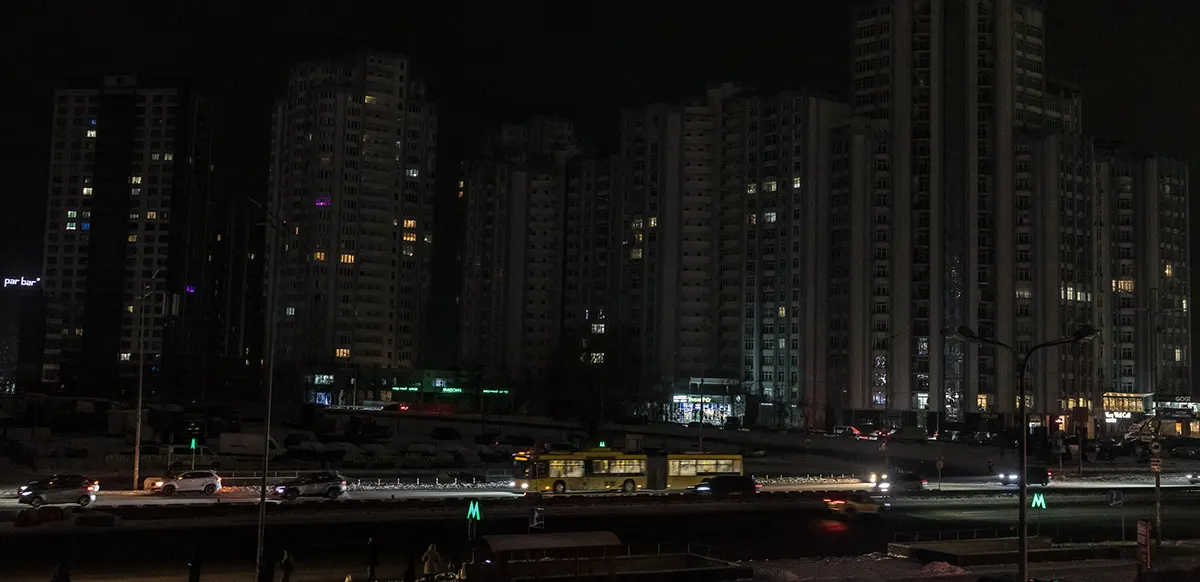
Officials in Kyiv, Ukraine, extended winter breaks and closed many schools after the city’s ongoing power crisis deepened in mid-January 2026. The closures came as severe blackouts hit thousands of households and critical infrastructure, including schools and kindergartens, amid freezing winter temperatures and repeated attacks on energy facilities.
❄️ Severe Energy Shortages in Winter
Mayor Vitali Klitschko said Kyiv received only about half the electricity the city needs to serve its population of roughly 3.6 million. As a result, residents endured lengthy outages of 18 to 20 hours daily because energy cuts aimed to preserve limited supplies. Meanwhile, temperatures plunged toward -17°C (1°F), raising concerns for children and families without reliable heating.
Officials warned that schools could not safely operate during prolonged blackouts. Consequently, districts extended winter breaks, and educators shifted many classes to remote learning where possible. Teachers and school staff also faced challenges adjusting schedules and supporting pupils during these sudden disruptions.
🏫 Student Impact and Routine Disruption
Families and teachers described the closures as disruptive, however necessary for safety. Parents reported difficulties balancing work and childcare as children stayed home longer than planned. Moreover, some schools and kindergartens lacked heat, prompting authorities to delay reopening until heating systems could consistently operate.
Despite this, community centres and temporary facilities offered warm spaces for students needing supervision. Meanwhile, some older students took on additional responsibilities at home, caring for younger siblings while parents adjusted work schedules.
🚑 Broader Humanitarian Concerns
The energy crisis affected more than education. Aid groups warned children faced heightened risk of hypothermia amid extended power outages and subzero weather across multiple regions. They also noted that emergency stockpiles of generators and heating supplies were running low, making it harder to protect vulnerable families during this period.
In response, some schools and public spaces served as shelters and warming centres where children could access heat and basic services. Officials coordinated with local authorities to prioritise power access for critical facilities such as hospitals and water systems, however, the overall energy shortage remained severe.
🔌 Efforts to Address Crisis
The government declared a state of emergency in Ukraine’s energy sector, and national leaders sought emergency electricity imports and repairs. Furthermore, international partners offered support, including equipment and fuel, to ease the impact. Meanwhile, city authorities worked around the clock to balance limited power across essential services.

0 Comments