
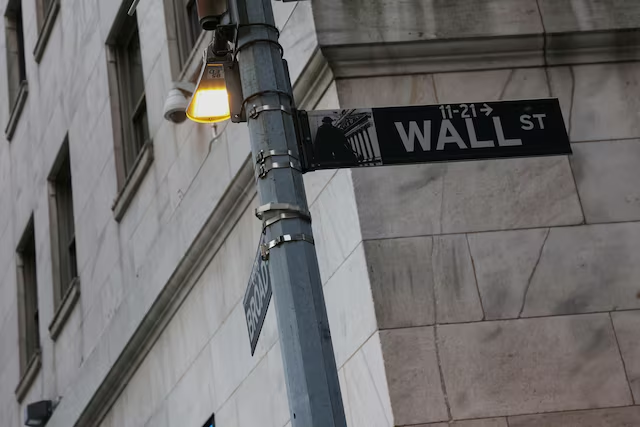
Investors are once again pulling out of U.S. stocks as the tariff crisis deepens, leading to significant losses on Wall Street. On April 10, major indexes reversed the previous session’s historic gains, with the S&P 500 dropping 4.6% and the Nasdaq tumbling 5.4%, reflecting mounting concerns over the global economic impact of high tariffs.
Just a day prior, markets had surged after U.S. President Donald Trump temporarily rolled back certain tariffs, sparking hopes of relief. That decision led to the S&P 500’s largest single-day percentage gain since 2008 and the Nasdaq’s biggest rally since 2001. However, those gains proved short-lived.
The renewed sell-off began as the new tariffs officially took effect, impacting a wide range of America’s trading partners. Despite the 90-day pause on some duties, Trump escalated tariffs on Chinese imports, triggering fresh fears of supply chain disruptions and global slowdown.
Market analysts say investors are struggling to navigate the volatility caused by unpredictable trade policies. With tariffs creating uncertainty across multiple sectors—particularly tech and manufacturing—confidence in sustained market recovery remains low.
The flight from equities signals broader investor unease, with many turning to safer assets amid the tariff turmoil. Volatility indexes spiked, and trading volumes soared as panic selling set in Thursday afternoon.
Despite hopes that the White House’s pause might stabilize markets, the conflicting messages and rapid shifts in tariff strategy are fueling anxiety rather than providing clarity. Analysts warn that unless a more coherent trade policy emerges, markets may remain under sustained pressure.
As the tariff chaos continues to grip global markets, investors are bracing for more turbulence in the weeks ahead. The question now is whether the U.S. administration will take meaningful steps to ease fears—or further deepen the divide.

0 Comments