
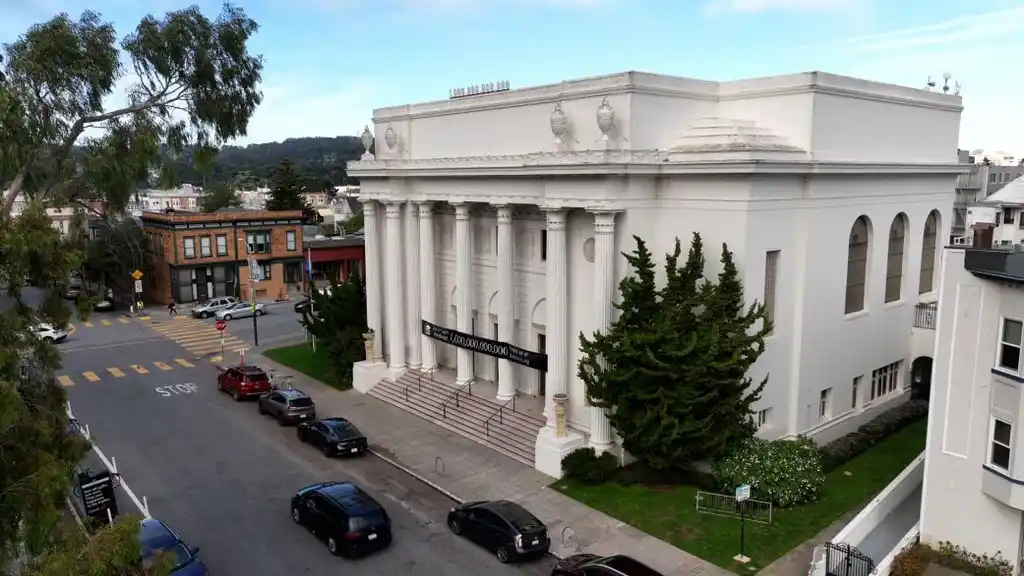
The Internet Archive is strengthening its long-standing mission to safeguard the world’s digital history at a time when online content is increasingly fragile. Its well-known tool, the Wayback Machine, continues to capture and preserve billions of webpages, offering the public a rare and reliable window into how the internet has evolved over the past three decades.
🗂️ Protecting Digital Memory in an Era of Fast Disappearance
Much of today’s online information disappears within months — sometimes within days. Websites shut down, social-media posts vanish, news outlets remove articles, and companies alter or delete earlier statements. Because of this rapid change, the role of the Internet Archive has become more critical than ever.
The organisation’s team and automated systems archive webpages so they remain accessible even after the originals go offline. Each snapshot is preserved with timestamps, allowing users to view how a website looked on a specific day. This function has supported journalists, researchers, historians and everyday users who rely on older versions of online material.
According to the organisation, the Wayback Machine now stores more than 866 billion web captures — a number that continues to grow daily as automated crawlers scan the internet for content at risk of disappearing.
🔍 A Tool for Transparency and Public Interest
The Wayback Machine has become a trusted resource for verifying changes on corporate websites, political pages and government portals. Because many institutions regularly revise their digital content, the archive offers a unique form of transparency by preserving earlier versions.
Researchers also use the archive to study trends, trace misinformation, and examine how online spaces evolve. Educators and students frequently rely on archived pages to track social movements, elections, technological changes and cultural shifts.
🛡️ Challenges to Preservation Efforts
Despite its importance, the Internet Archive faces increasing obstacles. Copyright disputes, legal pressures and restrictions from certain website owners have challenged its ability to store copies of some pages. Critics argue that preservation sometimes conflicts with intellectual-property rights. Supporters counter that archiving is essential for public accountability and historical record-keeping.
In addition to legal hurdles, the sheer scale of the internet presents technical challenges. Each year, more dynamic content, multimedia files and interactive pages emerge, requiring new tools to capture them accurately.
🌍 A Growing Need for Digital Preservation
As concerns grow about the disappearance of online records, the Internet Archive has been expanding its partnerships. The organisation now collaborates with universities, libraries and non-profits to broaden its preservation network. Each partnership increases the chances that important digital materials survive technological changes and platform shutdowns.
The Internet Archive emphasizes that preserving digital content is not only about saving webpages; it is about safeguarding collective memory. In a world where much of human communication now happens online, losing digital history would mean losing visibility into major cultural, political and social events.
With the Wayback Machine continuing to grow, the organisation remains committed to ensuring that the history of the internet — and the history recorded on it — is never lost.

0 Comments