
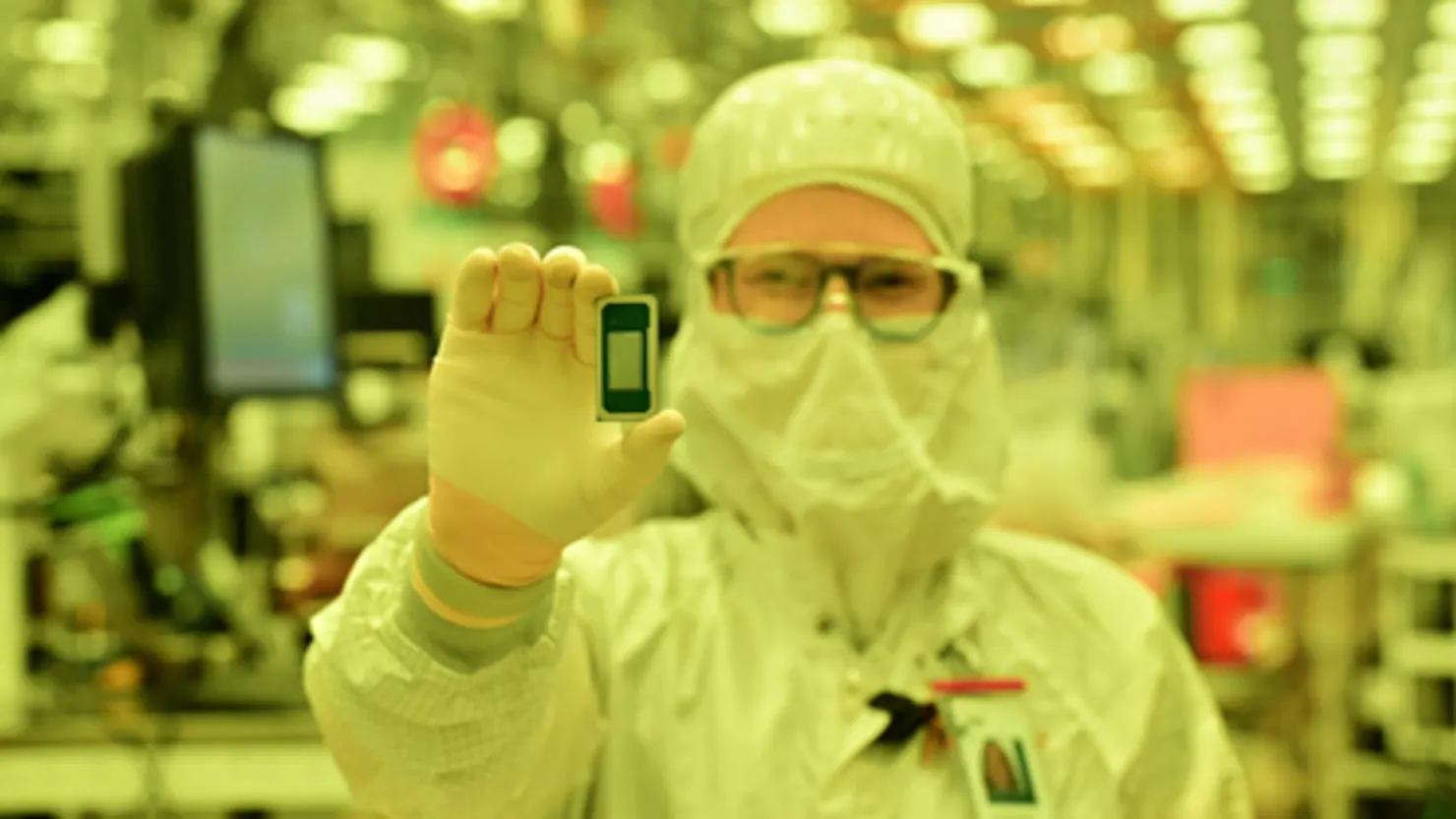
Shares of Intel (INTC) jumped more than 10% recently, following a report that suggested the company might become a supplier of chips to Apple. The surge was among the largest gains in the market session and reflects heightened investor excitement over Intel’s potential return to prominence in consumer-device manufacturing.
According to the source of the speculation, Apple may consider contracting Intel to produce its M-series processors using Intel’s advanced “18A” fabrication node. If the deal comes through, it could mark a major win for Intel’s foundry efforts and dramatically reshape its revenue outlook.
🔎 Why The Speculation Matters for Intel’s Future
The potential partnership is important because Intel has been trying hard in recent years to revitalise its foundry and manufacturing capabilities. A big customer like Apple could provide substantial volume orders, steady demand and help justify the investments Intel has made in new chip-production technology.
Expert commentary cited in the markets suggests that this kind of deal could provide Intel with not just immediate cash flow, but also long-term credibility — a crucial factor as it competes with other global chip manufacturers.
📊 Market Reaction and Analyst Sentiment
The market reaction was swift. Institutional investors reportedly increased their holdings after the surge, indicating renewed confidence in Intel’s turnaround strategy. Analysts view this as a potential turning point in how the company is perceived — from a legacy chipmaker to a serious foundry player once again.
Still, some caution remains. Apple traditionally spreads its chip sourcing to avoid over-reliance on a single supplier. Until any contract is officially confirmed, the rally is driven by speculation — which means volatility could remain high in the coming weeks if no concrete announcements follow.
🏭 What a Deal Would Mean for Intel and the Chip Industry
If Intel secures the deal, the implications would stretch far beyond one company. First, it would signal a resurgence for Intel’s manufacturing arm, boosting global competition in the chip-foundry market. Second, it could help Intel accelerate its roadmap — leveraging economies of scale and improved output to support future chip orders for high-volume products.
Moreover, for Apple, having additional supply partners strengthens its production flexibility and reduces dependence on a single manufacturer. For the broader industry, it might trigger renewed investment interest in hardware companies and shift market dynamics as companies adjust strategies around supply, capacity and competition.
🔎 What Investors Should Watch Next
All eyes are now on Intel and Apple for any official announcement. Key signs to watch: confirmation of a supply deal, indications about production timelines, or updates on Intel’s factory capacity plans. Meanwhile, Intel’s upcoming quarterly results and its foundry-capacity roadmap could also influence investor sentiment and share-price direction.
Until then, the stock rally reflects optimism — but it also carries risk. Without a confirmed contract, market sentiment could swing quickly, especially in the volatile semiconductor sector.

0 Comments