
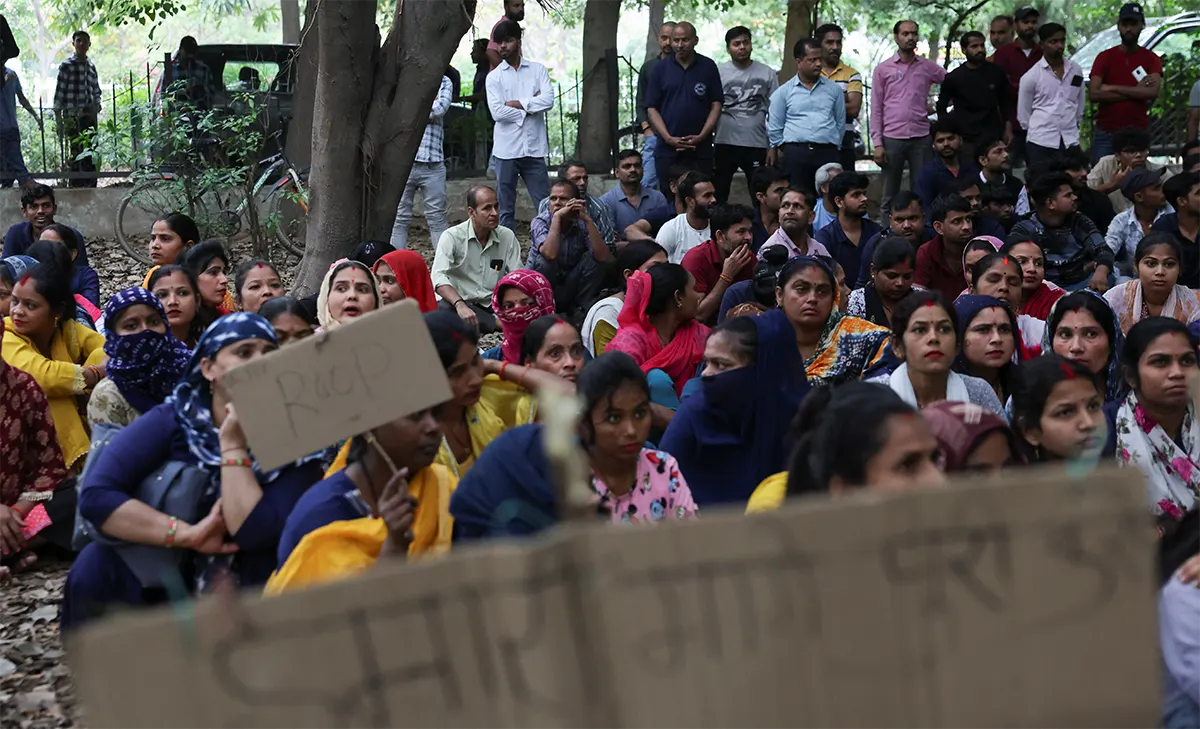
India’s auto manufacturing hub in Haryana has ordered a 35% increase in minimum wages following protests by factory workers over rising living costs.
The state government raised wages for unskilled workers to about $165 per month, up from roughly $120, with the change effective from April 1.
Officials urged workers to return to work peacefully after the announcement.
The decision came after several days of unrest in Manesar, a major industrial area near New Delhi. Workers had boycotted duties and staged demonstrations demanding higher wages.
🏭 Protests Disrupt Key Auto Manufacturing Hub
Manesar is home to major automotive companies, including Maruti Suzuki, along with hundreds of supplier units.
Tensions escalated when clashes broke out between workers and police, highlighting the seriousness of the situation.
As a result, production at several factories faced disruption. Some companies reported partial shutdowns, while others struggled with reduced workforce availability.
Moreover, migrant workers, who form a large part of the workforce, began returning to their hometowns due to rising expenses. This further affected industrial output.
📈 Rising Costs Driven by Energy Crisis
Workers said sharp increases in food and daily expenses triggered the protests. These price rises followed disruptions in gas supplies linked to the U.S.-Israeli conflict with Iran.
India, which is the world’s second-largest importer of liquefied petroleum gas (LPG), has faced supply constraints. As a result, the government reduced gas supplies to industries to protect household consumption.
Consequently, eateries and local vendors raised prices, which directly impacted factory workers’ daily budgets. Many workers reported paying significantly more for basic meals.
💼 Impact on Auto Industry Costs
While the wage increase provides relief to workers, it also creates additional cost pressure for India’s auto industry.
Manufacturers are already dealing with higher raw material costs and supply chain disruptions. Therefore, the wage hike adds another layer of financial strain.
Some companies have already increased vehicle prices. Meanwhile, others have indicated they may follow similar steps to offset rising costs.
In addition, firms have started offering bonuses, meals, and incentives to retain workers and maintain operations during the unrest.
🌐 Heavy Dependence on Gas Adds Risk
India’s economy relies heavily on gas across multiple sectors, including industry, transport, agriculture, and households.
This dependence makes both businesses and low-income workers highly vulnerable to global supply disruptions.
As a result, the current energy crisis has had a widespread impact, affecting production costs as well as daily living expenses.
Moreover, experts warn that even if global tensions ease, supply chains may take time to stabilise, prolonging the economic impact.
🔍 Situation Stabilises but Challenges Remain
Following the wage hike announcement, many workers have resumed duties, bringing some stability to the region.
However, challenges remain. Industry leaders continue to monitor costs, while workers remain concerned about inflation.
For now, the government’s decision has eased immediate tensions. Nevertheless, both labour and industry face ongoing uncertainty as global conditions evolve.

0 Comments