
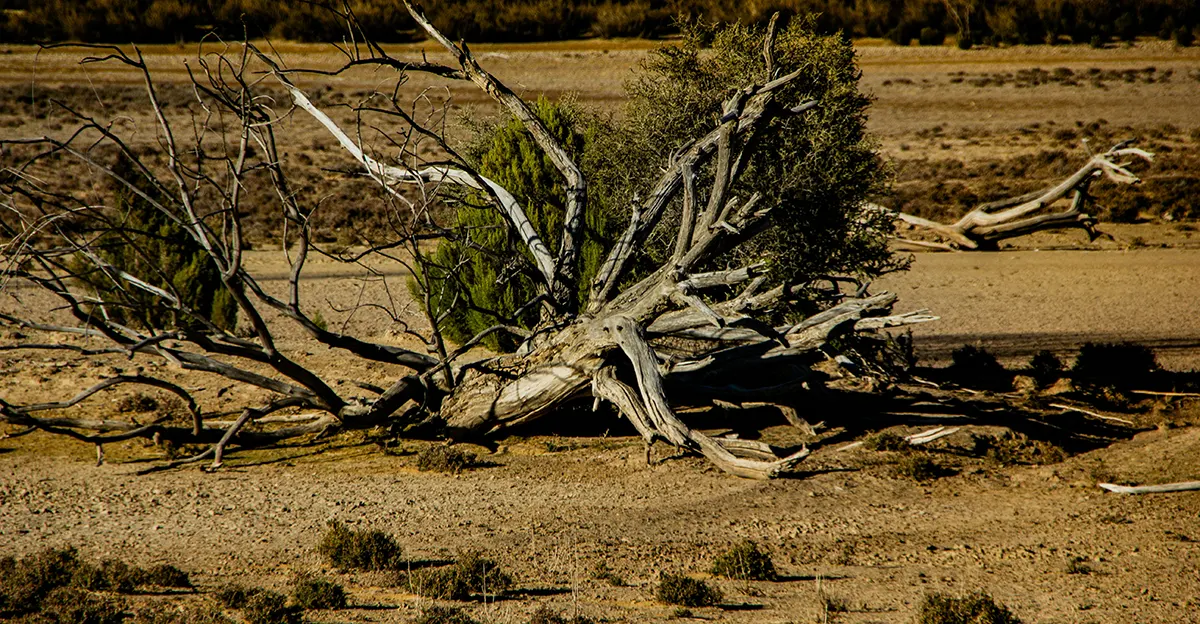
A severe drought in northern Kenya is pushing hungry communities closer to crisis as longstanding water shortages deepen. At the same time, cuts to overseas aid are leaving pastoral families with fewer resources to cope. The region’s dryland conditions have worsened, threatening both food security and livelihoods.
Drought has gripped large parts of Kenya for months. As a result, water sources have shrunk and grazing lands have dried up. Cattle, goats and sheep are suffering. Many herders say they are losing livestock, which undermines their ability to earn money or feed their families.
💧 Drought Deepens Food Insecurity
In villages across Marsabit, Turkana and Samburu counties, families say hunger has gotten worse. Mothers report that food supplies run out early and that they must skip meals to stretch limited supplies. Meanwhile, children are increasingly malnourished. Because of this, local health clinics are seeing higher cases of nutrition-related illnesses.
Pastoralist communities depend on livestock for food and income. However, without rain, animals are weak and produce less milk. Therefore, families have fewer calories and cash to buy essentials. One herder described walking long distances in search of water for his cattle. Yet, he often returns with empty containers and exhausted animals.
🚨 Impact of Aid Cuts
Aid relief for drought-hit regions has dropped. Some donors have reallocated funds to other global emergencies. As a result, food distribution programmes and water trucking have become inconsistent. Aid workers warn that reduced funding will leave vulnerable communities exposed.
One aid official said that reduced cash transfers are forcing families into hard choices. People must prioritise survival over school attendance and other normal activities. Also, fewer clinics have mobile feeding programmes because international support has declined.
Therefore, humanitarian agencies are appealing for more funds. They say timely financing could prevent deeper suffering and help protect children from long-term health impacts.
🐄 Pastoralists Face Hard Choices
Herders say they have already lost dozens of animals because of hunger and thirst. Many have sold their remaining livestock at low prices to buy scarce food and water. Yet, the money lasts only a short time. In some areas, livestock deaths have increased sharply.
Women and children bear much of the hardship. They walk miles each day to collect water from shrinking wells. In addition, limited supplies mean water is often contaminated, raising risk of disease. In turn, this places more pressure on understaffed health services.
🌍 Climate Change and Drought Trends
Climate experts say eastern Africa has experienced increasingly frequent drought cycles in recent years. Higher temperatures and unpredictable rains make it harder for drylands to recover. Therefore, communities that once adapted to drought now struggle to cope.
Scientists warn that without substantial climate adaptation support, pastoral regions will face worsening conditions. They add that global warming increases evaporation and reduces soil moisture, further stressing water supplies.
📊 Looking Ahead
Aid groups say that without urgent support, food insecurity will worsen. They emphasise that water infrastructure and sustained funding are key to survival. Meanwhile, communities hope for rainfall to replenish boreholes and pastures.
For now, northern Kenya remains in a fragile state. Families continue daily fights for water, food and hope. As drought persists, the region’s resilience will be tested further.

0 Comments