
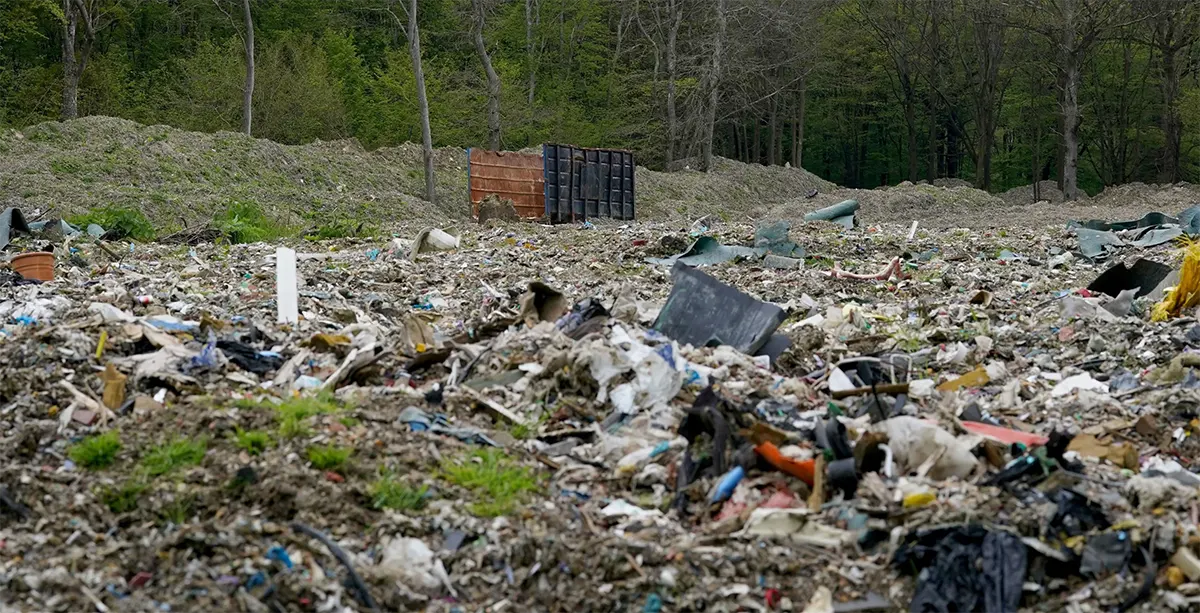
The UK government will launch a drone unit to investigate illegal waste dumping across England. The initiative aims to disrupt criminal gangs that fly-tip rubbish in rural and urban areas. Authorities say drones will help detect dumping quickly and collect evidence for prosecutions.
The move comes after a surge in complaints about fly-tipping, which costs councils millions of pounds each year. Enforcement officers have struggled to identify and catch offenders. However, officials hope that aerial surveillance will change that, especially in hard-to-reach spots.
🚁 How the Drone Unit Will Work
The new unit will use unmanned aerial vehicles (UAVs) equipped with cameras and tracking sensors. Drones will patrol hotspots known for illegal dumping. When they spot rubbish being dumped, teams on the ground can respond quickly. Therefore, authorities expect faster enforcement and more successful prosecutions.
In addition, drones will collect video and photo evidence. This data can help police and environmental agencies build stronger cases in court. Officers say drones will be especially useful at night when traditional patrols are less effective.
Officials also stressed that drones will follow strict privacy rules. They say footage will only focus on land used for public safety and environmental protection, not private property.
🛑 Environmental Impact of Illegal Dumping
Illegal waste dumping harms wildlife and pollutes land and waterways. It also creates fire risks and attracts pests. Councils must then pay to clear sites, which puts a strain on local budgets. Because of this, many authorities have urged stronger enforcement tools.
Environmental campaigners welcomed the drone strategy. They said it will deter offenders and protect natural habitats. Moreover, campaigners said public cooperation will still matter. They encouraged residents to report suspicious activity to local councils.
⚖️ Crime Gangs and Fly-Tipping
Police say organised groups often exploit quiet roads and rural lanes to dump large amounts of waste. These groups charge some businesses to remove rubbish illegally. In turn, they avoid the cost of proper recycling and disposal. Officials say that tackling these gangs requires intelligence and quick action.
The new drone unit will work with local police forces and environmental regulators. Together, they hope to identify patterns and hire surveillance officers more effectively. Meanwhile, councils will continue to issue fines and pursue legal action against offenders.
📊 Public Response and Costs
Some community leaders said the initiative shows a strong commitment to cleaner streets and countryside. However, some councillors called for more funding for local enforcement teams as well. They argued that drones are useful tools but must be part of a broader strategy.
Officials estimate that the drone unit will reduce fly-tipping incidents over time. However, they did not provide exact figures on the expected impact. Instead, authorities highlighted the importance of sustained action and community support.
🔎 What Happens Next
The unit is due to roll out in phases across regions with high fly-tipping rates. Next, authorities will train pilots and coordinate with agencies for data sharing. Residents are also being asked to help by reporting illegal dumping via council systems.
Because the issue affects many communities, officials say the drone unit could become a model for future environmental enforcement. Meanwhile, police and environmental agencies continue to track trends and evaluate results.

0 Comments