
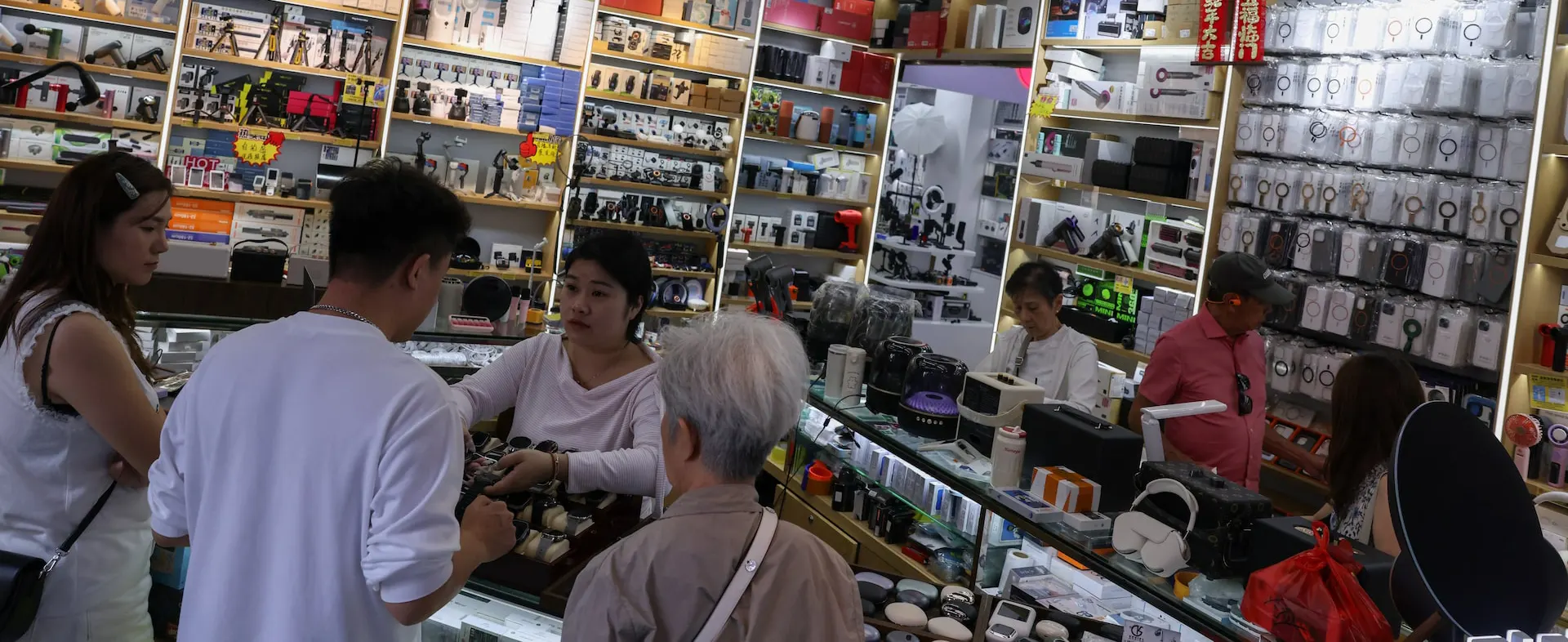
China has announced a new set of measures aimed at boosting domestic demand as part of its economic strategy for 2026. The cabinet outlined the plan during a policy meeting, stressing the need to rely more on internal drivers of growth.
Officials said global demand remains uncertain. Therefore, the government wants domestic consumption and private investment to play a larger role. As a result, policymakers are shifting focus toward households, businesses, and financial access.
🛒 Measures Target Consumer Spending
A central part of the plan focuses on encouraging household spending. Authorities said they will improve access to consumer loans and expand credit support. In addition, the government plans to extend subsidies for purchases such as home appliances and new energy vehicles.
Because consumer confidence influences economic momentum, officials believe these steps can help stabilise demand. At the same time, policymakers aim to avoid excessive household debt. Therefore, financial institutions will balance easier access with risk controls.
Officials also said local governments may play a role in implementing incentives. This approach allows measures to reflect regional conditions while supporting national goals.
🏭 Support for Private Businesses and Small Firms
The policy package also includes targeted support for private enterprises and small businesses. Authorities said they will ease financing conditions for companies investing in equipment upgrades and technological improvements.
In addition, the government plans to encourage private investment by improving market access and reducing operational barriers. Because private firms contribute significantly to employment, officials see this support as essential for broader economic stability.
Policymakers also highlighted steps to strengthen the corporate bond market. By improving funding channels, businesses may gain more flexibility to manage costs and expand operations.
📈 Broader Economic Direction
China’s leadership framed the measures as part of a longer-term shift in economic structure. Instead of relying heavily on exports, the government wants domestic demand to anchor growth.
Officials said innovation in macroeconomic regulation remains important. Therefore, authorities may adjust policies as conditions evolve. For now, the focus stays on stabilising growth while supporting consumption and investment.
🌏 Implications Beyond China
Analysts say the policy package could also influence regional and global markets. Stronger domestic demand may affect imports, supply chains, and commodity flows.
Because China plays a major role in the global economy, changes in its growth strategy often attract international attention. As a result, investors and policymakers worldwide will watch how these measures unfold in 2026.

0 Comments