
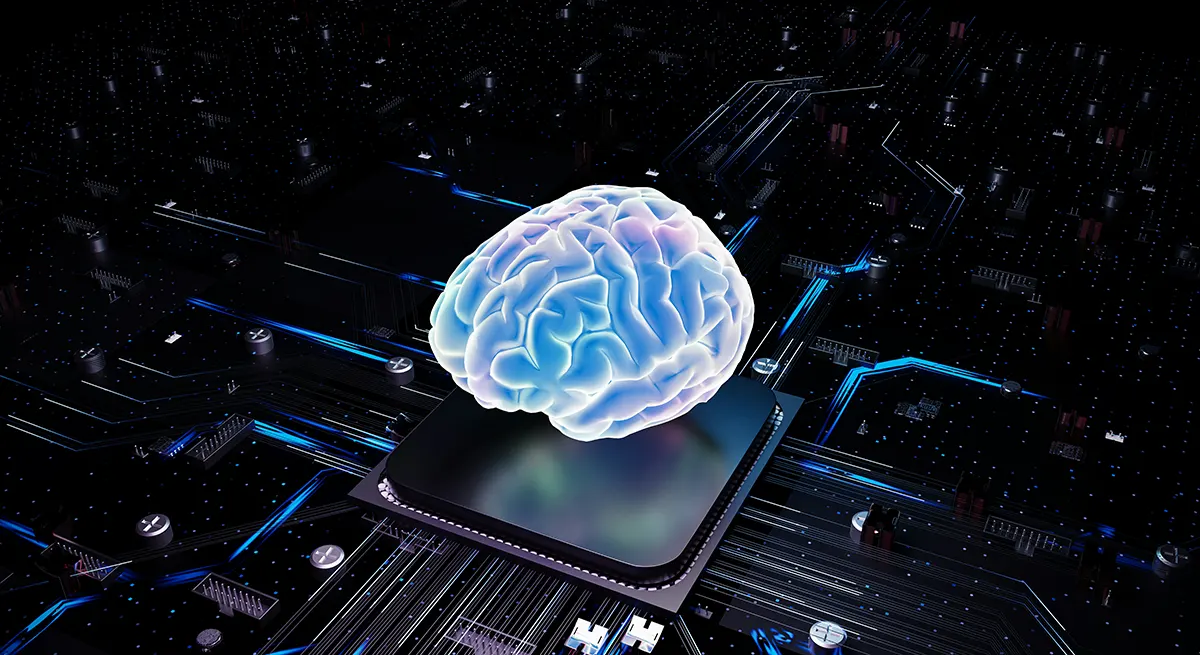
China could see widespread public use of brain-computer interface (BCI) technology within three to five years, according to a leading researcher involved in the country’s neuroscience initiatives. The prediction reflects rapid progress in the field as China increases investment in advanced technology.
Yao Dezhong, director of the Sichuan Institute of Brain Science, said the technology will gradually move from experimental stages toward practical services for the public as products mature. Meanwhile, the announcement came during China’s annual parliamentary meetings in Beijing, where policymakers discussed new technology priorities.
Consequently, brain-computer interfaces are gaining attention as one of the country’s most promising future technologies.
🧠 Brain-Computer Interfaces Move Toward Real-World Use
Brain-computer interface technology allows direct communication between the human brain and computers. Researchers use sensors or implanted devices to interpret brain signals and translate them into commands that control machines or digital systems.
Scientists believe the technology could eventually help people control robotic limbs, wheelchairs, or computers using only neural signals. Therefore, BCIs are expected to transform areas such as healthcare, rehabilitation and human-machine interaction.
China has identified BCIs as a strategic emerging industry in its latest national development plan. As a result, authorities are encouraging research, funding and industry partnerships to accelerate innovation in this field.
🔬 Human Trials and Medical Applications
Researchers in China have already launched more than 10 invasive BCI human trials, matching the number conducted in the United States. Scientists also plan to enrol over 50 patients in new trials during 2026.
Recent experiments have helped paralyzed patients regain partial mobility and operate devices such as robotic hands or intelligent wheelchairs. Consequently, medical experts see BCIs as a potential breakthrough for treating neurological disorders.
In addition, some BCI treatments have already been included in national medical insurance programs in certain Chinese provinces, which signals growing institutional support for the technology.
📈 Market Growth and Industry Development
Analysts expect China’s BCI industry to expand rapidly in the coming years. Estimates suggest the domestic BCI market could reach about 5.58 billion yuan ($809 million) by 2027.
Meanwhile, the government’s national strategy aims to achieve major technological breakthroughs by 2027 and develop two or three globally competitive BCI companies by 2030.
Therefore, China’s large population, strong demand for medical solutions and extensive pool of STEM talent may accelerate development of the industry.
🌍 Global Competition in Brain-Machine Technology
China is racing to keep pace with technological advances from international companies. In particular, startups in the United States, including firms working on neural-interface chips, have attracted global attention for pioneering similar systems.
However, Chinese researchers believe the country can close the technological gap through policy support, clinical trials and industrial investment. Consequently, brain-computer interfaces may become one of the most important emerging technologies shaping future healthcare and computing.

0 Comments