
China has approved a new law aimed at promoting national unity among the country’s ethnic groups. The legislation focuses on strengthening a shared national identity and encouraging integration across communities.
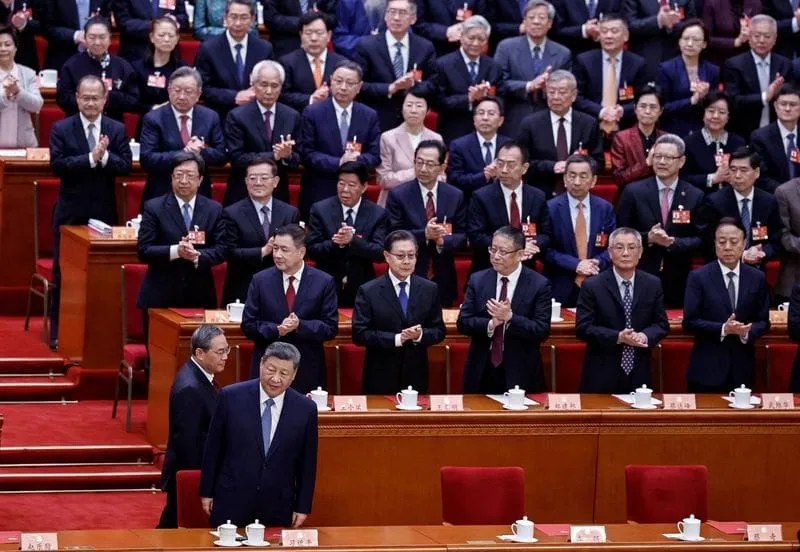
The law, titled “Promoting Ethnic Unity and Progress,” was passed during the closing session of the National People’s Congress, China’s legislature. It received overwhelming support from lawmakers during the vote.
Officials say the legislation aims to strengthen unity among China’s 55 recognised ethnic minority groups while reinforcing national cohesion. China officially recognises 56 ethnic groups, with the Han majority making up more than 90% of the population.
Minority communities such as Tibetans, Mongols, Hui, Manchus and Uyghurs live largely in regions that cover about half of China’s land area. Many of these areas contain significant natural resources.
🗣️ Mandarin Language to Take Priority
One key provision of the law prioritises the use of Mandarin Chinese in schools and public life.
The legislation states that Mandarin should serve as the basic language of instruction in schools. It also establishes Mandarin as the main language used in government and official communication.
When Mandarin appears alongside minority languages in public spaces, the law says Mandarin should receive greater prominence in placement and display.
At the same time, the law states that the government respects and protects the learning and use of minority languages and scripts.
🌏 Policies Aim to Encourage Social Integration
The legislation outlines several measures designed to increase interaction among ethnic groups.
Officials say the law encourages integration through education, housing, migration policies, community activities and cultural development. These measures aim to promote cooperation and shared national identity across regions.
The law also includes provisions supporting inter-ethnic marriage by banning interference with marriage choices based on ethnicity, religion or custom.
In addition, religious organisations and institutions must follow the government’s policy direction known as the “Sinicization of religion.”
⚖️ Critics Raise Concerns About Cultural Impact
Some scholars and critics say the law could increase pressure on minority communities.
They argue that prioritising Mandarin and emphasising national unity may weaken minority languages and cultural traditions. Critics also warn that people who challenge the concept of ethnic unity could face accusations of separatism.
Supporters of the legislation, however, say the law promotes stability and development while strengthening national identity.
📊 Ethnic Regions Play Key Role in China
China’s ethnic minority regions cover large parts of the country’s territory. These areas include Tibet, Xinjiang, Inner Mongolia and other autonomous regions.
Many of these regions contain significant natural resources and strategic border areas. Because of this, policies affecting ethnic relations remain an important part of China’s domestic governance.
Officials say the new legislation will help integrate minority regions more closely with national development goals.

0 Comments