
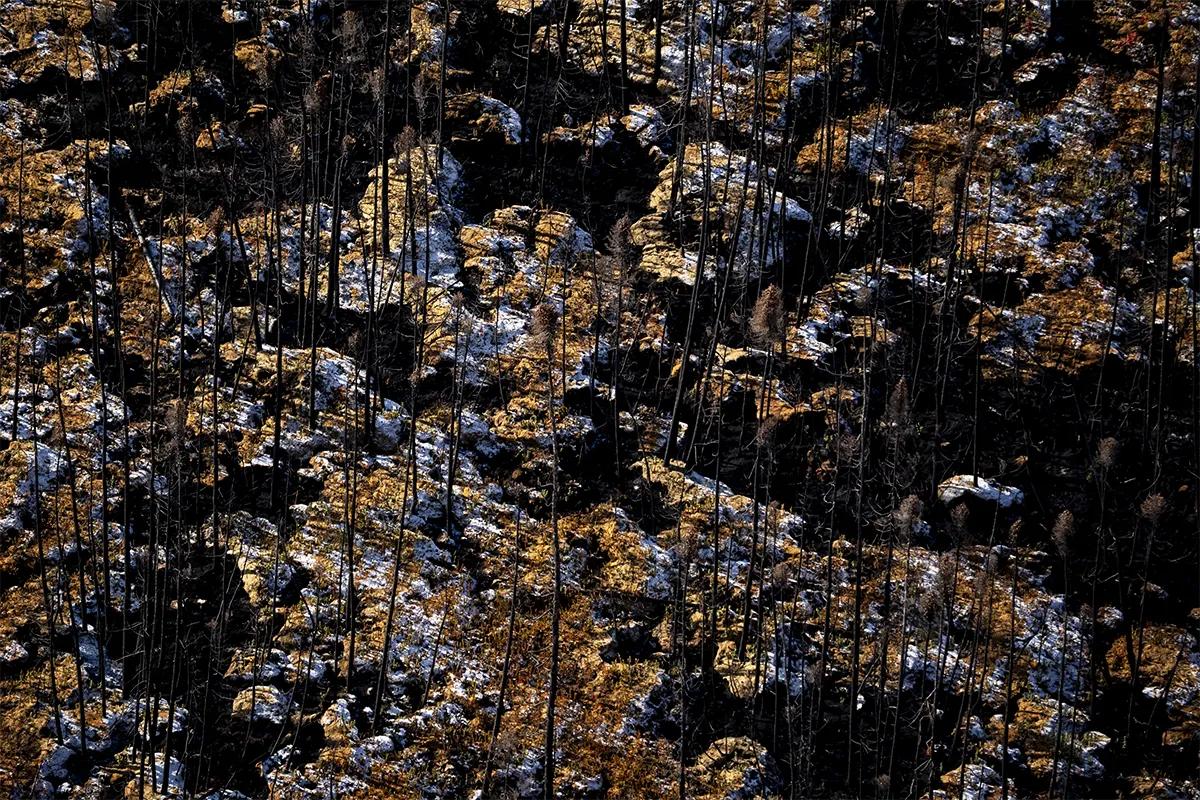
Canada is entering the 2026 wildfire season in relatively stable condition compared to previous years. A stormy winter left a deep snowpack across much of the country, especially in northern regions. Therefore, experts say early-season wildfire activity remains limited.
Meanwhile, Richard Carr of Natural Resources Canada noted that April has not shown unusual fire activity so far.
“We’re not really seeing too many signs of unusual activity through April,” he said.
However, conditions vary across regions. Some areas have already started to show warning signs. At the same time, officials continue to monitor fuel moisture levels, which play a key role in how quickly fires can spread.
🔥 Drought Areas Raise Concern
Despite the stable start, several regions remain vulnerable. Parts of southern British Columbia, Alberta, and Saskatchewan are experiencing dry conditions, which increase wildfire risk.
In addition, northern Manitoba, eastern Northwest Territories, and New Brunswick reported below-normal snowfall or drought conditions. As a result, these regions could face early wildfire activity.
Experts emphasise that these dry zones often become hotspots for large fires, especially when temperatures rise later in the season. Moreover, low soil moisture and reduced precipitation further increase the likelihood of ignition and spread.
🌡️ Warmer Weather Could Intensify Fires
Looking ahead, forecasts suggest above-normal temperatures across Canada in the coming months. Consequently, wildfire activity could increase significantly by June or July.
Scientists also point to the possible influence of El Niño, which can bring warmer and drier conditions. However, some experts believe its direct impact on wildfires may be limited.
Still, the broader trend remains concerning.
Warmer conditions increase the likelihood of heatwaves, dry vegetation, and rapid fire spread.
In addition, earlier snowmelt in some regions may expose dry vegetation sooner than usual. This, in turn, can extend the active fire season and raise overall risk levels.
📊 Recent Years Add Pressure
Canada is heading into this season after three consecutive severe wildfire years. Notably, 2023 remains the worst on record, while last year ranked among the most destructive.
This pattern highlights a growing trend. Scientists link it to climate change, which is making wildfire seasons longer and more intense.
As a result, forests dry faster, and fire conditions develop more easily. This increases both the frequency and severity of wildfires. In addition, communities across affected regions continue to face disruptions, including evacuations and air quality concerns.
🚒 Preparedness and Monitoring Efforts
Authorities across Canada are strengthening preparedness and response strategies. Fire agencies are improving coordination, while also investing in monitoring systems and early detection tools.
Meanwhile, governments are working closely with local communities to ensure readiness. This includes public awareness campaigns, resource allocation, and emergency planning.
Experts stress that early preparation can significantly reduce wildfire impact. Therefore, ongoing monitoring remains essential as conditions evolve throughout the season.
⚠️ Outlook Remains Uncertain
For now, Canada’s wildfire season has started on a relatively stable note. However, regional drought and rising temperatures create a clear risk.
Experts stress that conditions can change quickly. Therefore, authorities remain alert as the country moves deeper into the fire season. At the same time, continued observation of weather patterns will be critical in determining how severe the season becomes.

0 Comments