
Major technology companies are investing heavily in next-generation nuclear power to support the rapidly growing energy needs of artificial intelligence.
Firms such as Meta, Amazon, and Google are backing nuclear developers including TerraPower, Oklo, X-energy, and Kairos Power. These partnerships provide both financial support and long-term revenue certainty for nuclear projects.
The move reflects a shift as tech firms seek reliable power sources for AI infrastructure.
As a result, the funding landscape for nuclear technology is changing significantly.
🤖 AI Boom Drives Massive Energy Demand
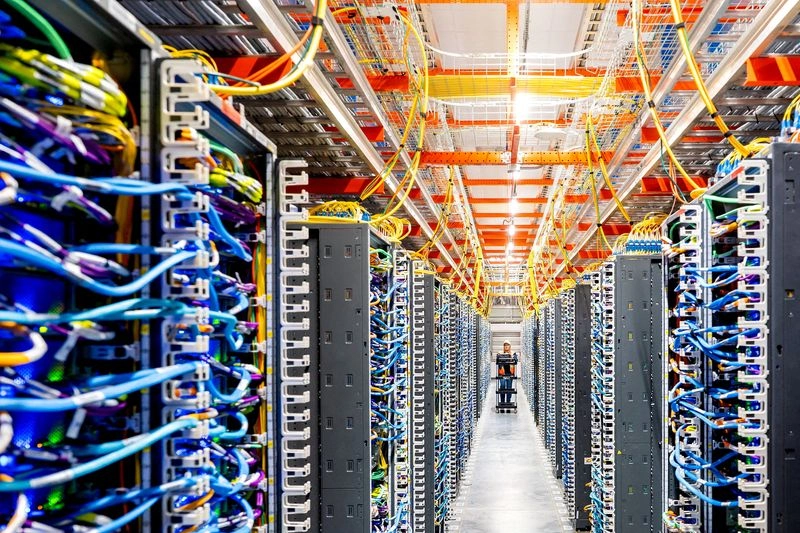
The rapid expansion of AI has created an urgent need for electricity. Data centres that power AI systems require continuous, high-volume energy supply.
Therefore, companies are exploring alternatives beyond traditional energy sources. Nuclear power offers a stable and low-carbon solution, making it an attractive option.
Meanwhile, the demand for energy is expected to rise further as AI adoption accelerates globally. Consequently, securing long-term power supply has become a top priority for tech companies.
🧪 Focus on Small Modular Reactors
A key area of investment is small modular reactors (SMRs). These reactors are smaller, faster to build, and more flexible than conventional nuclear plants.
Developers are working to bring these technologies to market. However, none have yet reached full commercial electricity production due to financing challenges and technical risks.
Despite these challenges, interest in SMRs continues to grow. Therefore, increased funding from Big Tech could accelerate development timelines.
💰 Investment Brings New Opportunities
Big Tech’s involvement is providing a major boost to the nuclear sector. Companies are signing agreements that offer both upfront funding and future energy purchase commitments.
This approach helps nuclear firms secure financing while ensuring tech companies gain access to reliable power sources.
In addition, institutional investors are showing increased interest. The presence of long-term buyers like tech firms reduces risk and improves the attractiveness of nuclear projects.
⚠️ Challenges Still Remain
Although the sector is gaining momentum, several obstacles remain. Nuclear projects face challenges related to:
- Regulatory approvals
- Construction timelines
- Skilled labour shortages
Moreover, competition for resources, including workers and materials, could slow progress. Therefore, successful execution will depend on coordination across multiple industries.
🌍 A Shift in Global Energy Strategy
This trend signals a broader shift in how energy infrastructure is being developed. Technology companies are no longer just consumers of power; they are becoming key players in energy investment.
At the same time, nuclear energy is gaining renewed attention as a clean and scalable solution. Consequently, the intersection of AI and energy is reshaping global investment strategies.
🔍 Future Outlook
Looking ahead, Big Tech is expected to continue investing in energy solutions to support AI growth. Nuclear power, especially SMRs, could play a central role in meeting future demand.
However, progress will depend on overcoming technical and financial challenges. For now, the sector is entering a new phase driven by technology-led demand for energy.

0 Comments