
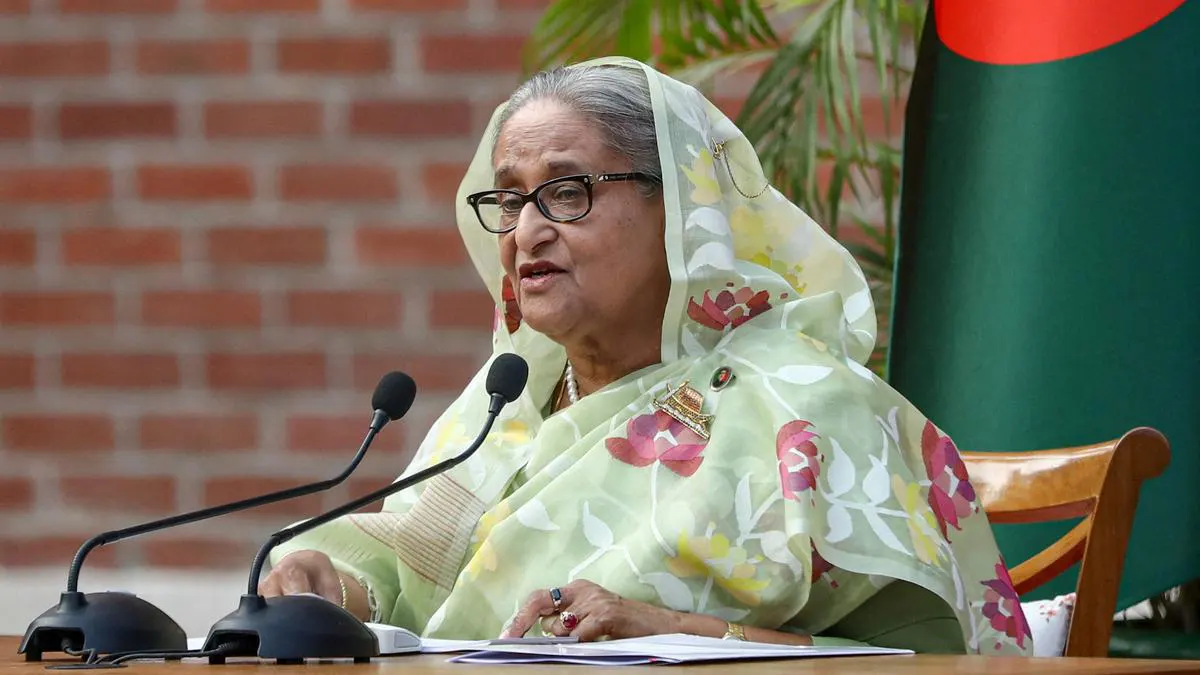
A special tribunal in Bangladesh has sentenced former prime minister Sheikh Hasina to death after finding her guilty of crimes against humanity in connection with a violent crackdown on protests in 2024. The verdict, delivered on 17 November 2025 by the International Crimes Tribunal‑Bangladesh (ICT-BD), marks one of the most significant legal rulings in the country’s recent political history.
Background and Verdict Details
In absentia, Hasina was tried for multiple charges including ordering lethal action, deploying drones and helicopters, and failing to prevent mass atrocities during the student-led uprising that toppled her government in August 2024. The tribunal found that she had orchestrated and enabled systematic violence against civilians, including the use of lethal weapons. The ruling also sentenced her former home minister, Asaduzzaman Khan Kamal, to death, while a former police chief – Chowdhury Abdullah Al-Mamun – received a reduced prison term for cooperating with prosecutors.
Hasina, 78, is living in exile in India after fleeing Bangladesh following the uprising. She vehemently rejected the verdict, calling the trial a “politically motivated charade” and demanding a fair defence. She criticised the tribunal’s independence and the interim government’s role in initiating the case.
Implications and Reaction
The ruling has sent political tremors across Bangladesh. Security forces were placed on high alert in Dhaka ahead of the verdict, with lockdowns and “shoot-on-sight” orders issued to control unrest. Supporters of Hasina’s party, Awami League, have mobilised protests and warned of “mass resistance” in response.
For families of the victims, the judgment brings a measure of relief. One father, whose son died during the crackdown, said the sentence was “the only acceptable outcome” after years of waiting for justice. Nonetheless, international observers have sounded alarm overdue-process concerns, pointing to the tribunal’s rapid schedule, trials in absentia and the political context surrounding the interim government.
The verdict also raises questions about the upcoming general election, scheduled for early 2026, which the interim government says will proceed without the participation of the Awami League. Analysts say the ruling could shape political dynamics, fuel polarization, and influence how Bangladesh’s transition unfolds.
Going forward, key issues to watch include whether the sentence is upheld on appeal, how the exiled Hasina and her allies respond, and whether the tribunal’s framework will be applied in other high-profile cases. Critics warn that without transparent procedures and broad legitimacy, the case could deepen political fissures rather than deliver lasting accountability.

0 Comments