
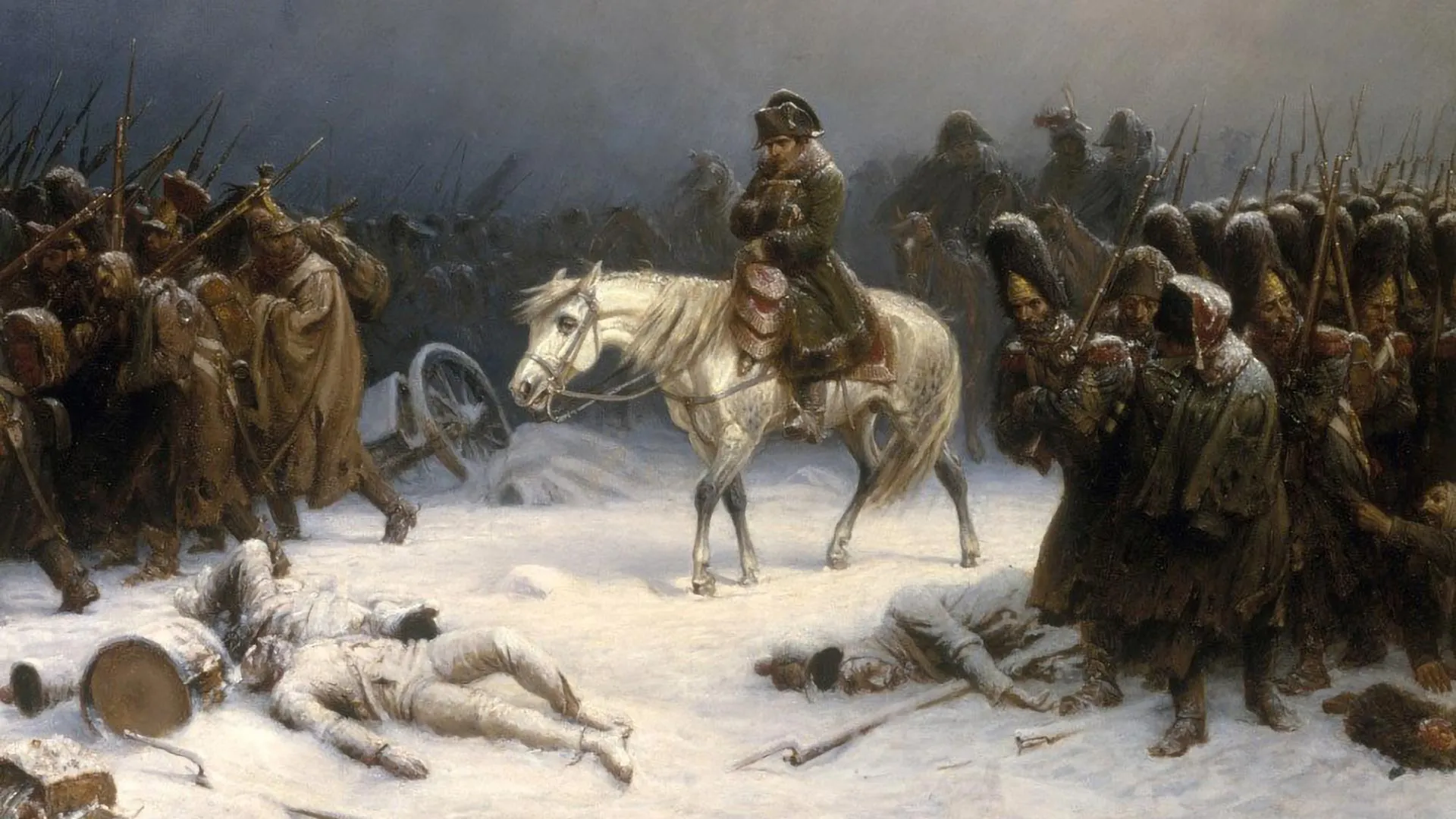
PARIS, France — Scientists from the Institut Pasteur have conducted a groundbreaking genetic analysis of the remains of soldiers who participated in Napoleon’s 1812 retreat from Russia, uncovering evidence of deadly infectious diseases.
The team identified traces of two pathogens: those responsible for paratyphoid fever and relapsing fever, illnesses that match descriptions in eyewitness accounts of suffering and death during the catastrophic campaign.
The research provides a scientific confirmation of what historians have long suspected: disease, rather than combat alone, was a major factor in the staggering losses of Napoleon’s army during the harsh winter retreat.
The findings were initially released as a preprint on bioRxiv on July 16, 2025, and later published in the journal Current Biology on October 24, 2025. The study demonstrates the growing power of ancient DNA analysis to illuminate historical events and answer longstanding questions about human history.
By connecting archaeological remains with genetic evidence, researchers were able to directly link the historical symptoms recorded by soldiers and chroniclers to specific pathogens. This approach not only enhances our understanding of Napoleon’s campaign but also provides insight into the role of infectious disease in shaping human history.

0 Comments