
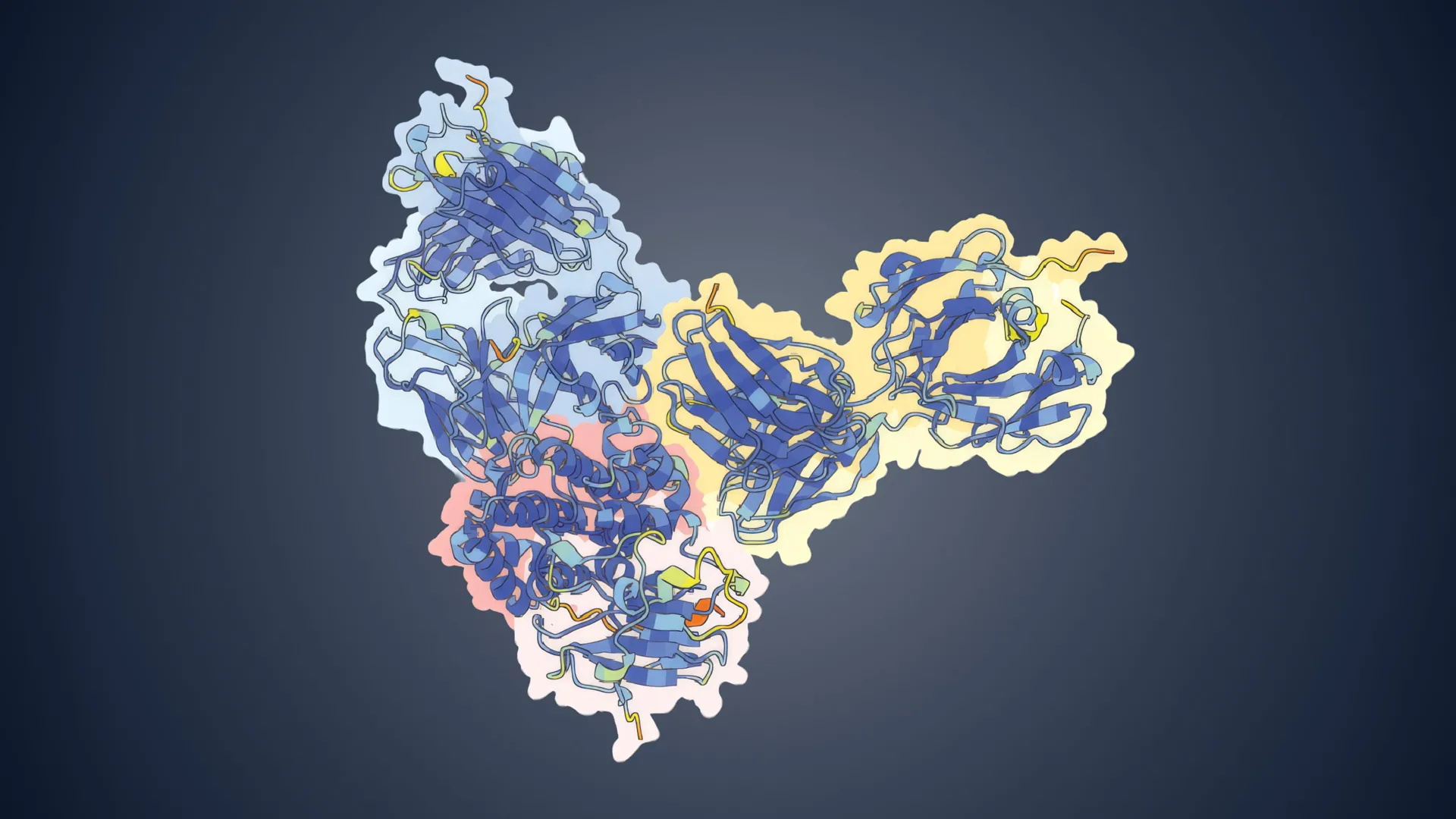
Researchers have used artificial intelligence (AI) to identify a little-known monkeypox virus protein that can provoke a strong protective antibody response in laboratory tests. The discovery may help scientists develop simpler and more effective vaccines and therapies against monkeypox and related poxviruses.
Using computational tools, the team focused on viral proteins that had previously been overlooked. The AI model highlighted one specific protein that, when tested in mice, triggered a potent immune response capable of protecting against viral infection.
Researchers say this approach could streamline future efforts to identify critical vaccine targets. Instead of examining every viral component manually, AI can rapidly narrow down proteins likely to stimulate immunity.
How AI Was Used in the Research
The scientists applied machine learning techniques to large datasets of viral genetic information. The AI algorithm then predicted which viral proteins were most likely to be recognised by the immune system.
Once candidates were identified, the team produced the selected protein in the lab and tested it in mice. Those tests showed that vaccination with the protein led to the production of strong protective antibodies.
By using AI to scan and prioritise viral components, researchers were able to bypass lengthy trial-and-error methods traditionally used in vaccine research. This approach may cut down the time needed to identify promising vaccine ingredients in future outbreaks.
Why the Discovery Matters
Monkeypox belongs to the same family of viruses as smallpox. Although smallpox has been eradicated, monkeypox continues to emerge in outbreaks around the world. Vaccines and treatments exist, but there is ongoing interest in developing simpler, targeted approaches that provoke strong immunity with fewer side effects.
The protein identified by the AI model could serve as a focus for next-generation vaccine design. By concentrating on components that reliably stimulate immune protection, researchers hope to create vaccines that are easier to manufacture and distribute.
In addition, insights from this work may help guide efforts against related viruses such as smallpox, should the need arise.
Future Research Directions
The authors of the study say further testing will be needed to confirm how well the identified protein performs in larger animal models and, potentially, in humans. They also plan to refine AI models to improve prediction accuracy for other viruses.
This research highlights how AI can accelerate biological discovery. By combining computational prediction with lab validation, scientists can uncover new targets for vaccines and therapies more quickly than before.

0 Comments